Medical Image Annotation & Healthcare AI Dataset Labeling

Enhance healthcare efficiency with streamlined processes that lead to better patient care and improved health outcomes.
Collage showing medical scenes including a surgical monitor displaying an operation, blue prescription pills, an X-ray of a broken forearm with highlighted fracture, a man wearing a mask using a smartphone, and a microscopic view of cells.

Data Annotation for Health

Enhance healthcare AI with precise data annotation, enabling accurate medical image analysis, diagnostics, and improved patient care solutions.
X-ray image of a forearm showing a bone fracture near the wrist with a green square highlighting the injury.

X-Ray

X-Ray annotation involves labeling critical areas within X-ray images, such as bones, organs, or abnormalities, to train AI models for accurate diagnostics and medical image analysis. This process supports automated detection of fractures, lung diseases, and other health conditions, enhancing clinical decision-making.
Chest X-ray image showing lungs with two highlighted green areas near the upper lobes.

X-Ray Cancer Detection

X-Ray cancer detection involves annotating medical images to identify signs of cancer, such as tumors or abnormal tissue patterns. This process enables AI models to assist healthcare professionals in early diagnosis, improving treatment planning and patient outcomes through accurate and timely analysis.
Two medical professionals in masks and gloves examining a colonoscopy image with highlighted areas on a monitor.

Surgical Assistance

Surgical assistance leverages AI and data annotation to enhance precision during procedures. By analyzing medical images and tracking surgical tools in real time, it supports surgeons with accurate guidance, improves decision-making, and reduces the risk of complications, leading to better patient outcomes.
Microscopic view of blood cells with several dark purple cells outlined in green boxes indicating detected cancerous or abnormal cells.

Cancer Screening

Cancer screening involves using advanced AI models and annotated medical data to detect early signs of cancer. By analyzing imaging data such as X-rays, CT scans, and MRIs, this technology supports healthcare professionals in identifying abnormalities, enabling timely diagnosis and improved treatment outcomes.
Panoramic dental X-ray showing teeth with braces and four highlighted impacted wisdom teeth in green boxes.

Teeth X-Ray Issue Detection

Teeth X-ray issue detection involves analyzing annotated dental X-ray images to identify problems such as cavities, fractures, impacted teeth, and gum diseases. This advanced technique supports dentists in accurate diagnostics, treatment planning, and improving overall dental care outcomes.
MRI brain scan showing a highlighted tumor area in the left frontal lobe.

Brain Tumors Screening

Brain tumor screening involves the analysis of annotated brain imaging data, such as MRIs and CT scans, to detect and classify tumors. This process aids healthcare professionals in early diagnosis, precise treatment planning, and monitoring disease progression, enhancing patient care and outcomes.
A hand holding eight pills, including three white oblong pills with a score line and three green triangular pills marked with '20'.

Pill Recognition

Pill recognition involves using AI and image annotation to identify and classify pharmaceutical tablets based on shape, size, and markings. This technology supports medication management, improving accuracy in prescriptions, drug interactions, and patient safety.
A woman in the foreground and two men in the background sitting side by side on a bench, all wearing green protective face masks.

PPE Monitoring

PPE monitoring involves the use of AI and real-time image analysis to ensure healthcare workers are wearing the appropriate personal protective equipment (PPE). This technology helps maintain safety standards, reduce infection risks, and enhance workplace safety in high-risk environments.

节省时间和金钱!

节省时间和金钱!

了解为什么 Unitlab AI 作为满足数据注释需求的终极解决方案脱颖而出。

15 倍

更快的数据注释
Orange square with a white check mark inside a white circle.
自动收集数据
Orange square with a white check mark inside a white circle.
自动数据标签
Orange square with a white check mark inside a white circle.
自动模型验证
Orange square with a white check mark inside a white circle.
自动质量保证
Orange square with a white check mark inside a white circle.
自动建模在线

60%

腾出 AI 工程师的时间
Orange square with a white check mark inside a white circle.
数据集策划
Orange square with a white check mark inside a white circle.
数据集版本控制
Orange square with a white check mark inside a white circle.
数据集 QA
Orange square with a white check mark inside a white circle.
AI 模型集成
Orange square with a white check mark inside a white circle.
AI 模型验证

5倍

节省 AI 开发成本
Orange square with a white check mark inside a white circle.
在数据收集中节省 5 倍
Orange square with a white check mark inside a white circle.
在数据标签中节省 10 倍
Orange square with a white check mark inside a white circle.
在 “数据集管理” 中节省 5 倍
Orange square with a white check mark inside a white circle.
在 AI 开发中节省 5 倍
Orange square with a white check mark inside a white circle.
在模型验证中节省 5 倍
15倍
更快的数据标注
60%
释放AI工程师时间
5倍
节省AI开发成本

Annotation types for Healthcare

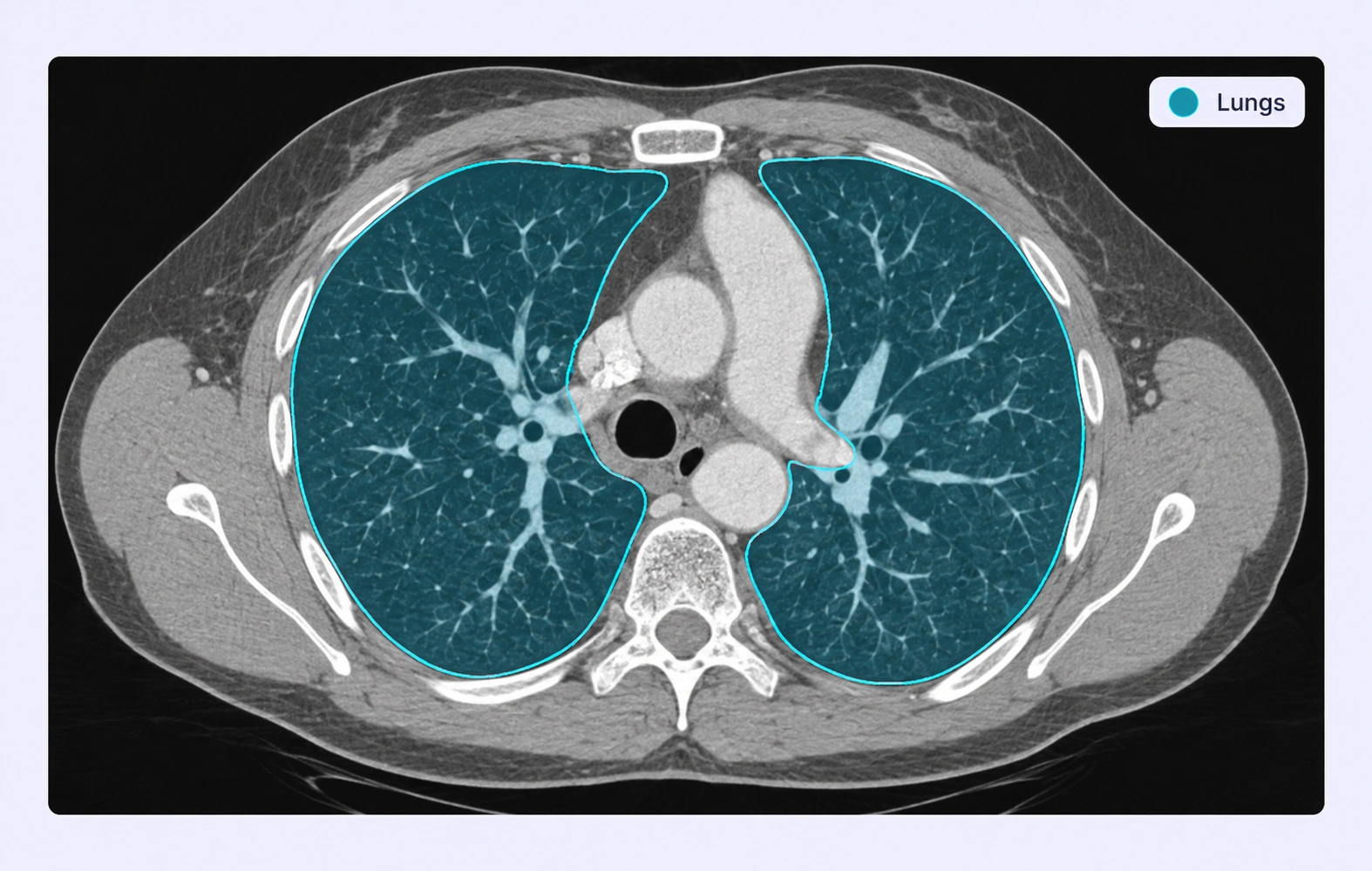
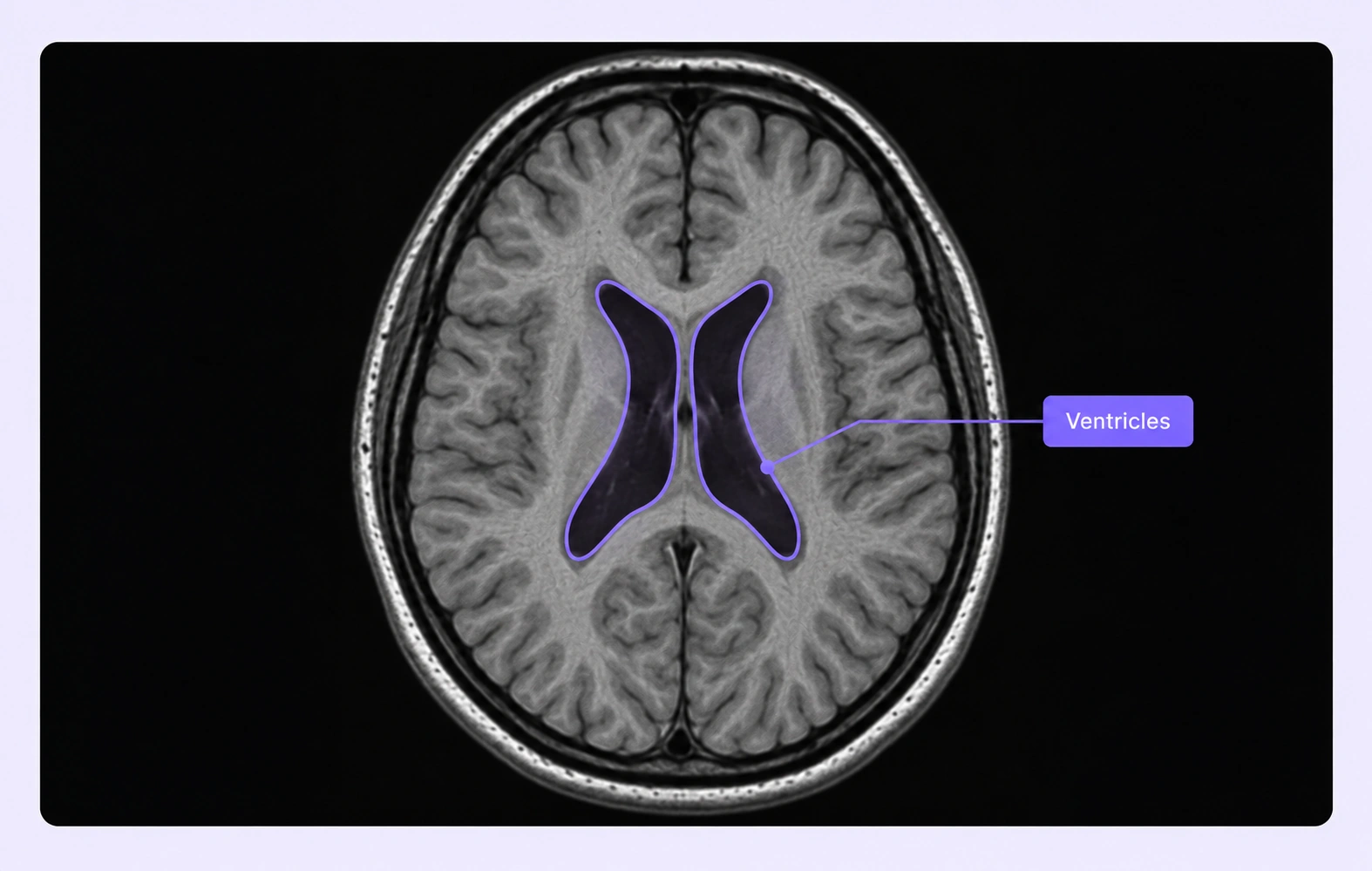
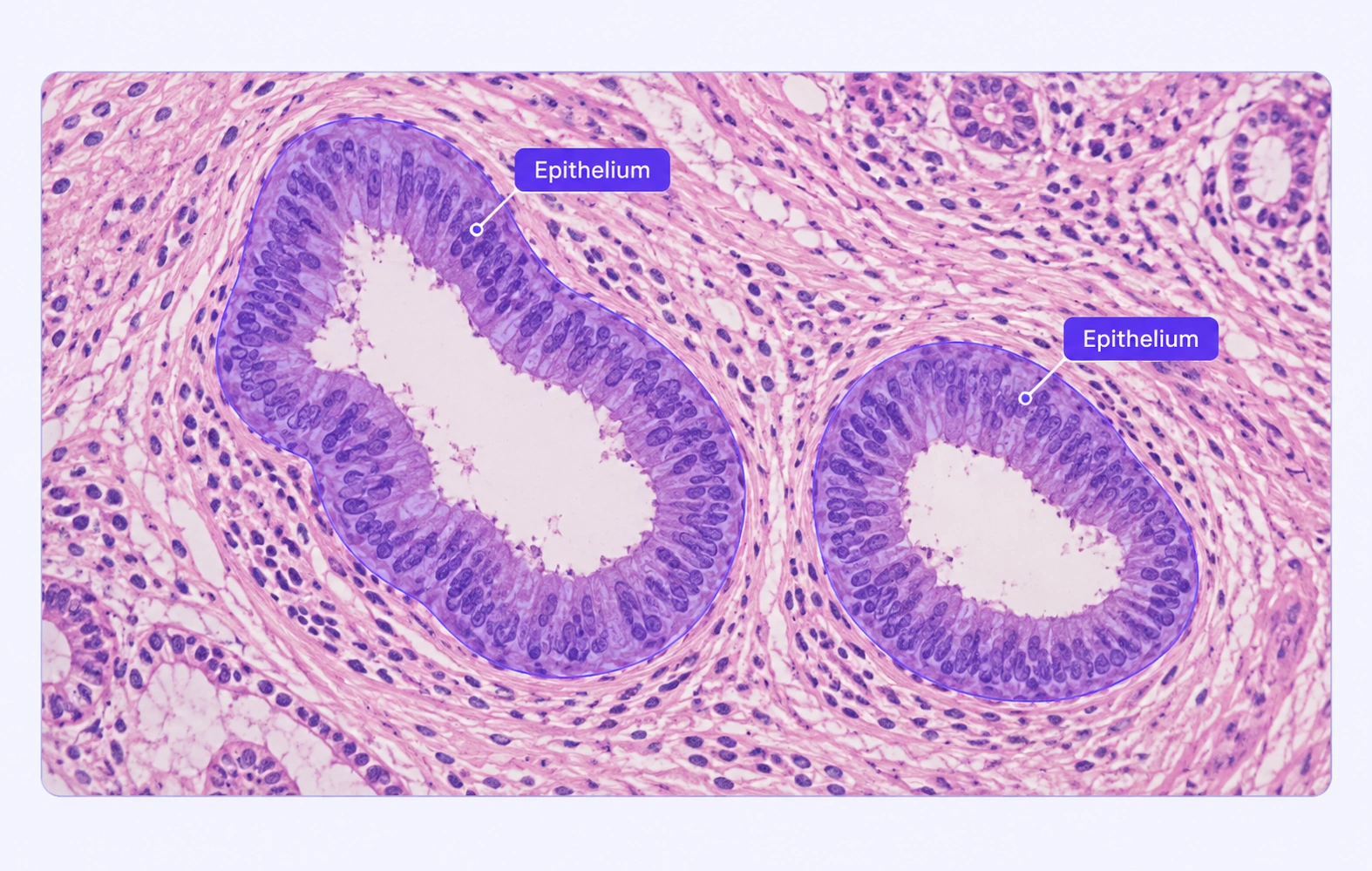
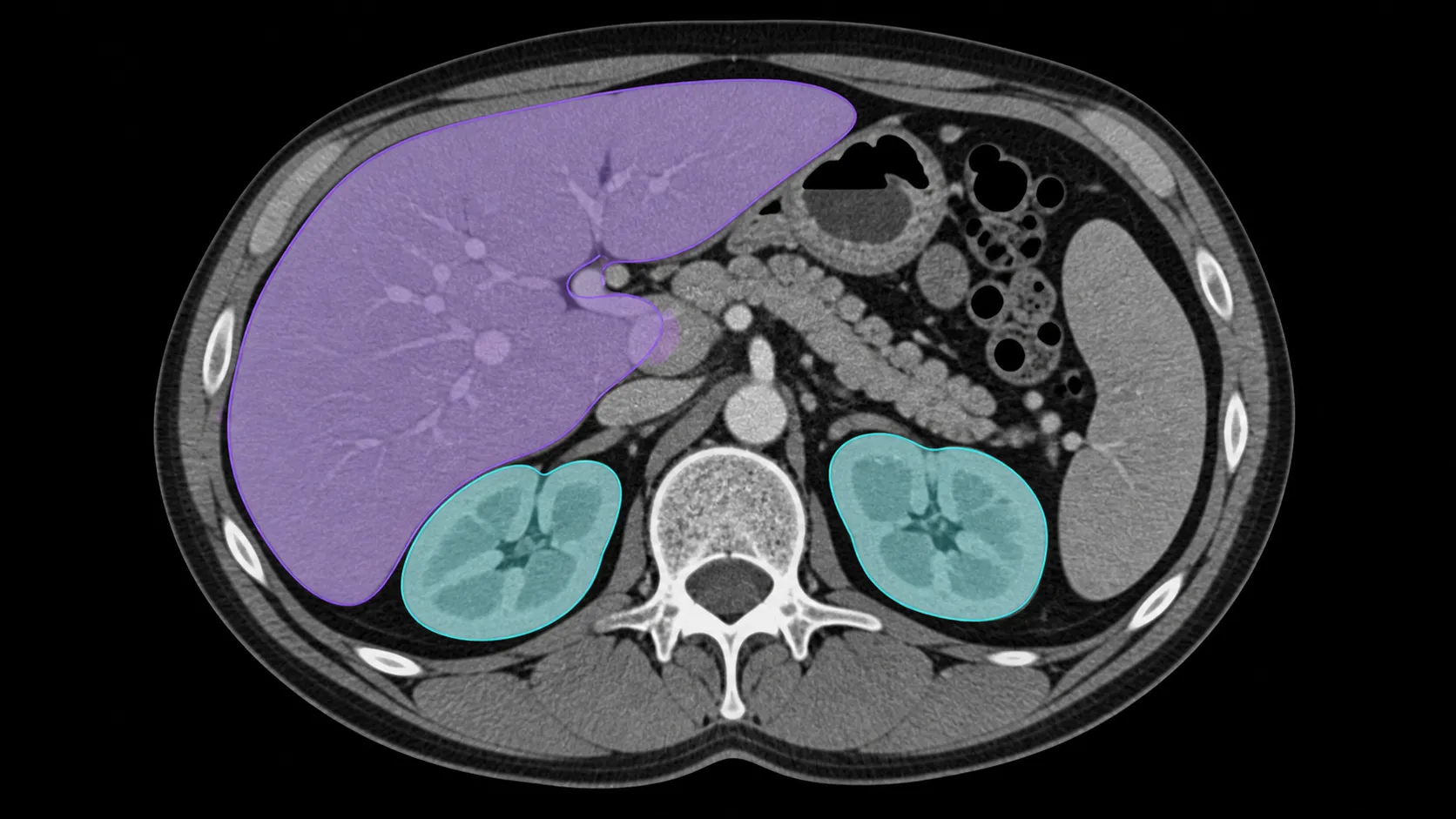
Healthcare annotation involves labeling medical data, such as images and records, to train AI models for diagnostics, disease detection, and treatment planning, enhancing healthcare solutions.
Pile of white and light green oblong tablets scattered on a blue surface.

Bounding Box for Healthcare

Bounding box annotation for healthcare involves marking rectangular regions around areas of interest in medical images, such as tumors, organs, or anomalies. This technique is essential for training AI models in diagnostics, medical imaging analysis, and automated healthcare solutions.

Segmentation for Healthcare

Segmentation for object classification in healthcare involves precisely outlining and labeling regions in medical images, such as organs, tissues, or abnormalities. This advanced technique enables AI models to perform accurate diagnostics, enhance image analysis, and support personalized treatment planning.

Axial brain MRI scan showing a highlighted green region in the lower right area of the brain.

常见问题解答

Unitlab 是免费的数据注释工具吗?

是的,确实如此!无需信用卡即可使用 Unitlab。只要您保持在设定的限额内,就可以永久免费使用 Unitlab 工具。但是,为了更广泛地使用,Unitlab提供了订阅模式。该模型的定价是根据您组织的特定用法、数据要求以及您可能需要的任何额外服务(例如我们的高级标签解决方案)定制的。要获得量身定制的报价和更多信息,请联系我们的销售团队。

创建账户后我可以切换套餐吗?

是的,您可以开始使用免费计划,然后在评估哪种计划最适合自己时更改计划。

数据标签服务的价格是如何计算的?

数据标签服务起步于

如何在我的本地工作空间中设置 Unitlab 本地解决方案?

Unitlab 提供了一系列可扩展的本地解决方案!

我可以使用我自己的 AI 模型与 Unitlab 结合使用吗?

当然可以。Unitlab 支持自带模型 (BYO) 工作流程。您可以接入自己的模型,将其与 Unitlab 的内置模型结合使用,并在单个标注工作流程中运行多个模型。

数据标注服务的定价如何计算?

定价取决于标注类型、数据集大小、类别数量和复杂程度。标注服务起价为每张图片 0.02 美元,多模态和大规模项目可提供定制报价。

谁可以访问我的数据?

数据由您掌控。对于本地部署,所有数据都保留在您自己的基础设施内,Unitlab 无法访问。如果您使用 Unitlab 的托管平台,您的数据将经过加密和隔离,Unitlab 员工无法查看。访问权限受到严格控制,并根据角色和权限仅限于您的团队。

Unitlab 是否支持团队协作和审阅工作流程?

是的,可以。Unitlab 专为团队打造,支持多名标注员、审阅者、审批步骤,并提供完整的标注历史记录,确保数据万无一失。

Unitlab 能否处理大型数据集和生产工作负载?

是的。Unitlab 旨在实现规模化,可支持从小型实验到生产级数据标注。团队使用它来管理大型数据集、复杂工作流程和长期标注项目。

没有找到你想要的答案? 联系我们的支持人员