Instructions and roles
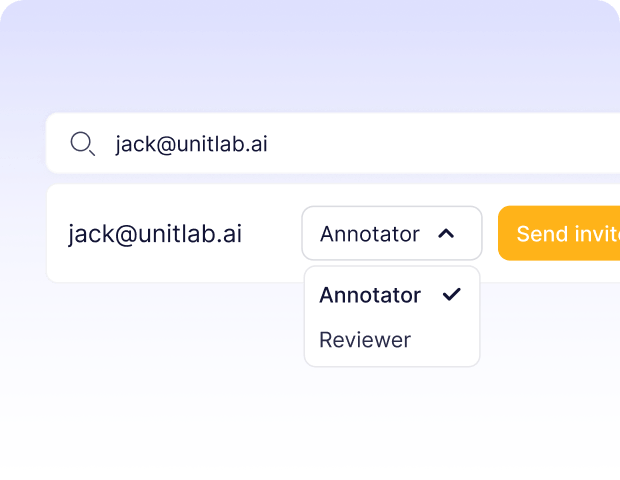
Keep ontology rules and acceptance criteria close to the work, with clear annotation and review responsibilities.

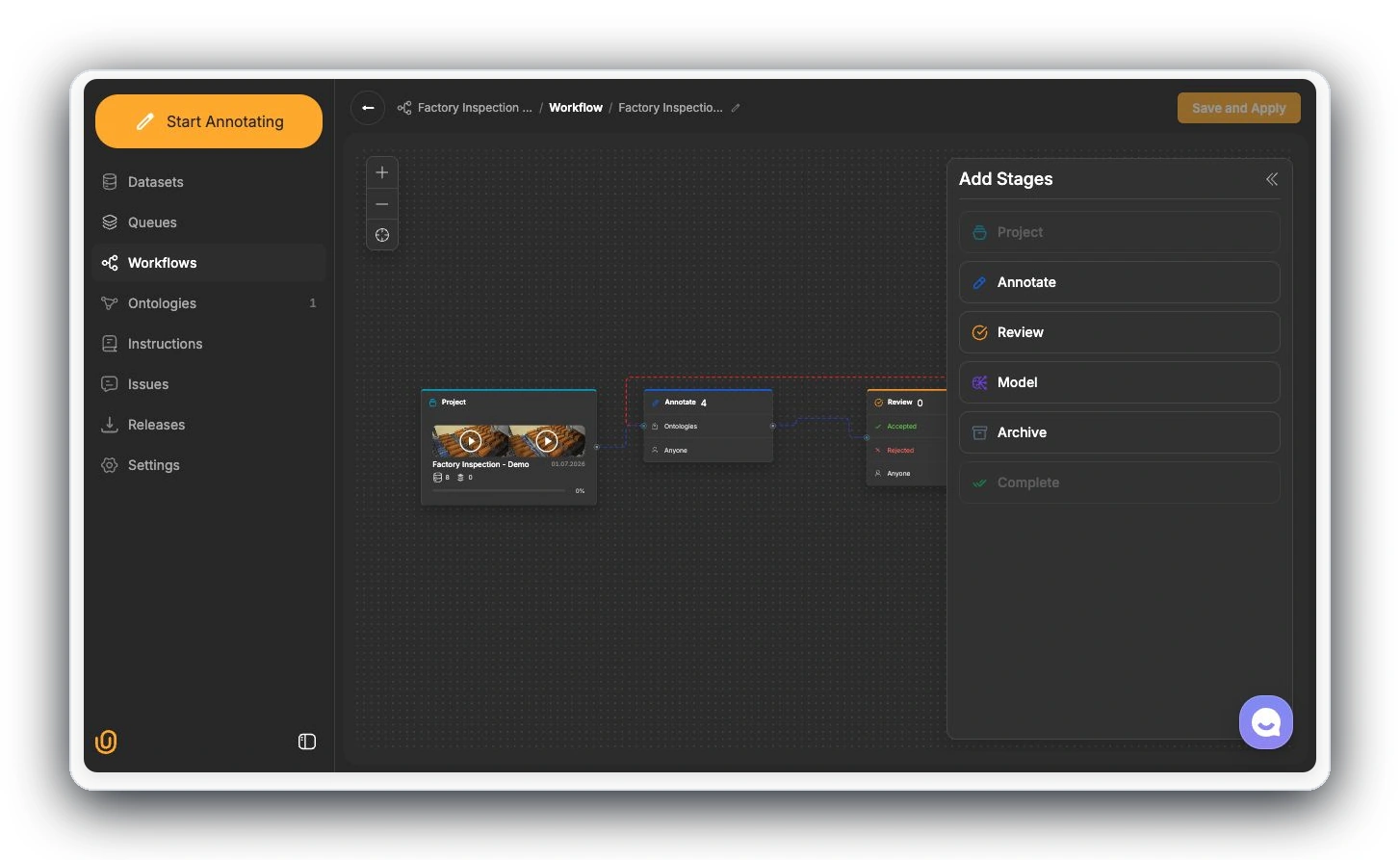
Enterprise annotation QA
Quality is not a final spot check. Unitlab connects instructions, roles, feedback, task state, and dataset operations across the annotation lifecycle.
Keep ontology rules and acceptance criteria close to the work, with clear annotation and review responsibilities.
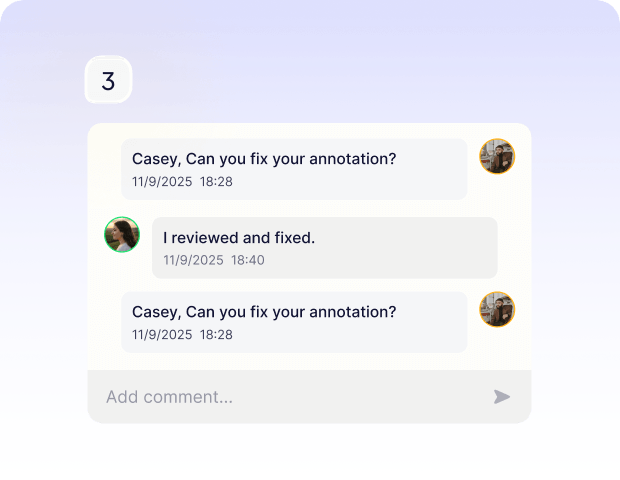
Anchor feedback to the affected item and context so corrections are specific and actionable.
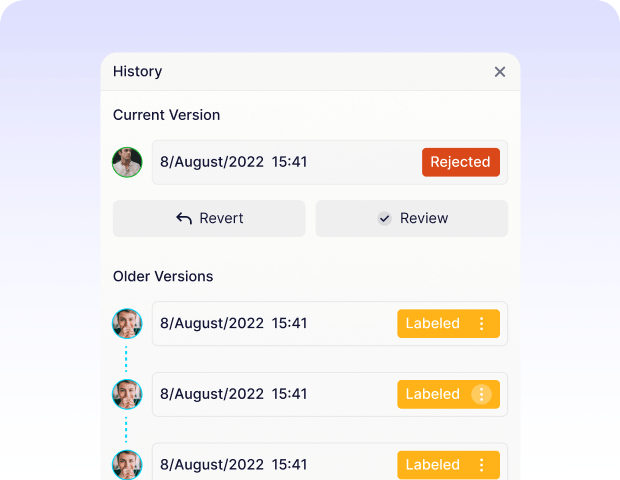
Reject, return, correct, and resubmit work without losing reviewer context or task history.
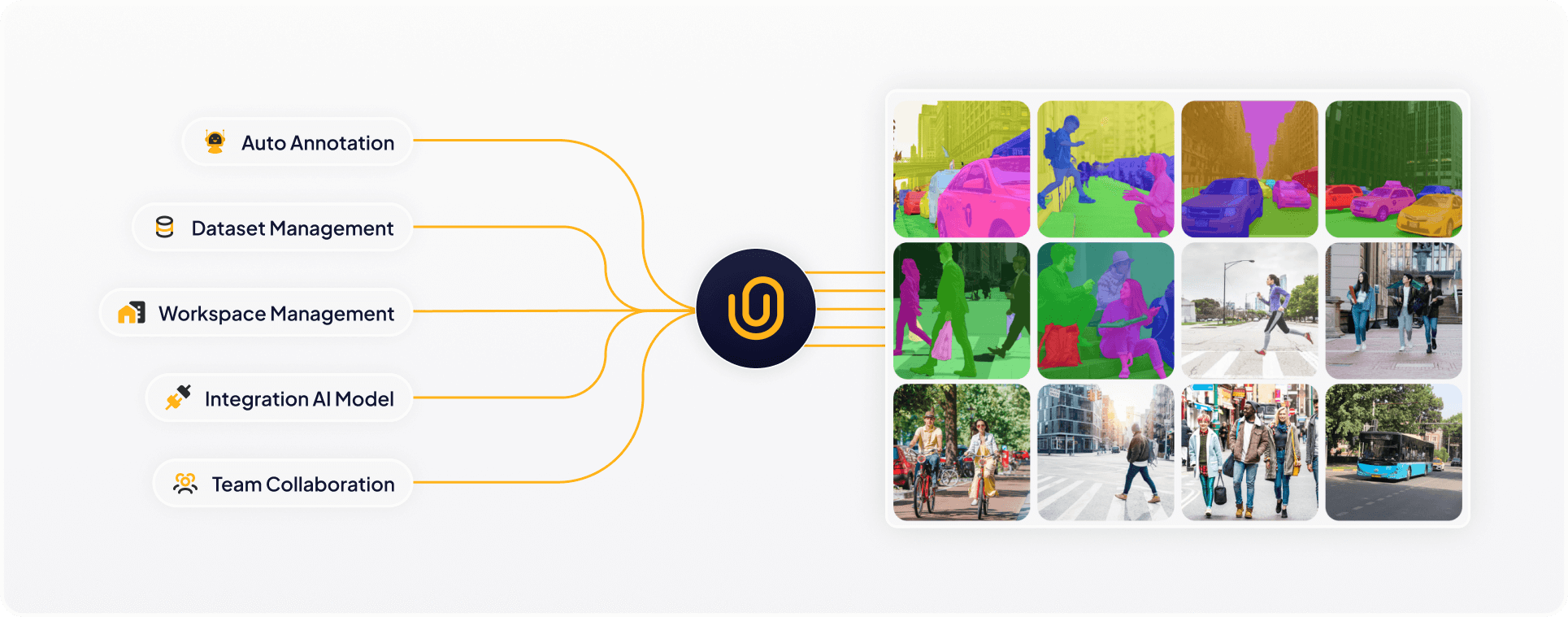
Connect approved annotations to managed datasets and reproducible releases for downstream training.
















.png)





.png)

.png)






.png)
Yes. You can use Unitlab AI for free, no credit card required. The free plan is great for getting started and testing workflows. If you need more scale, advanced features, or custom setups, paid plans are available.
Yep. Start free and upgrade anytime. Most teams begin on the free plan and move to a paid plan once their datasets or team size grow.
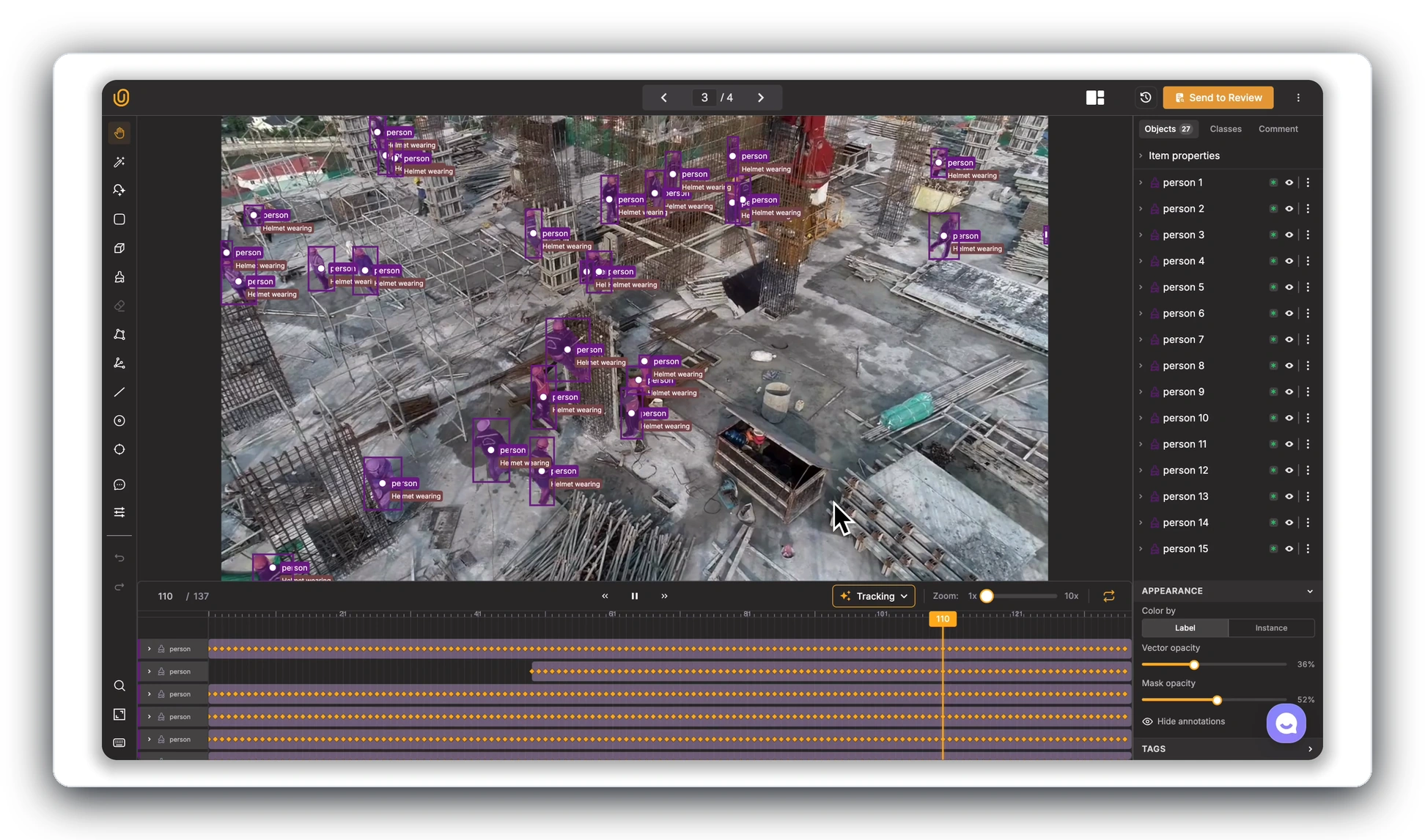
Unitlab AI supports multimodal data annotation, including image, video, audio, text, and DICOM. You can manage and annotate different data types in one platform using the same workflows.
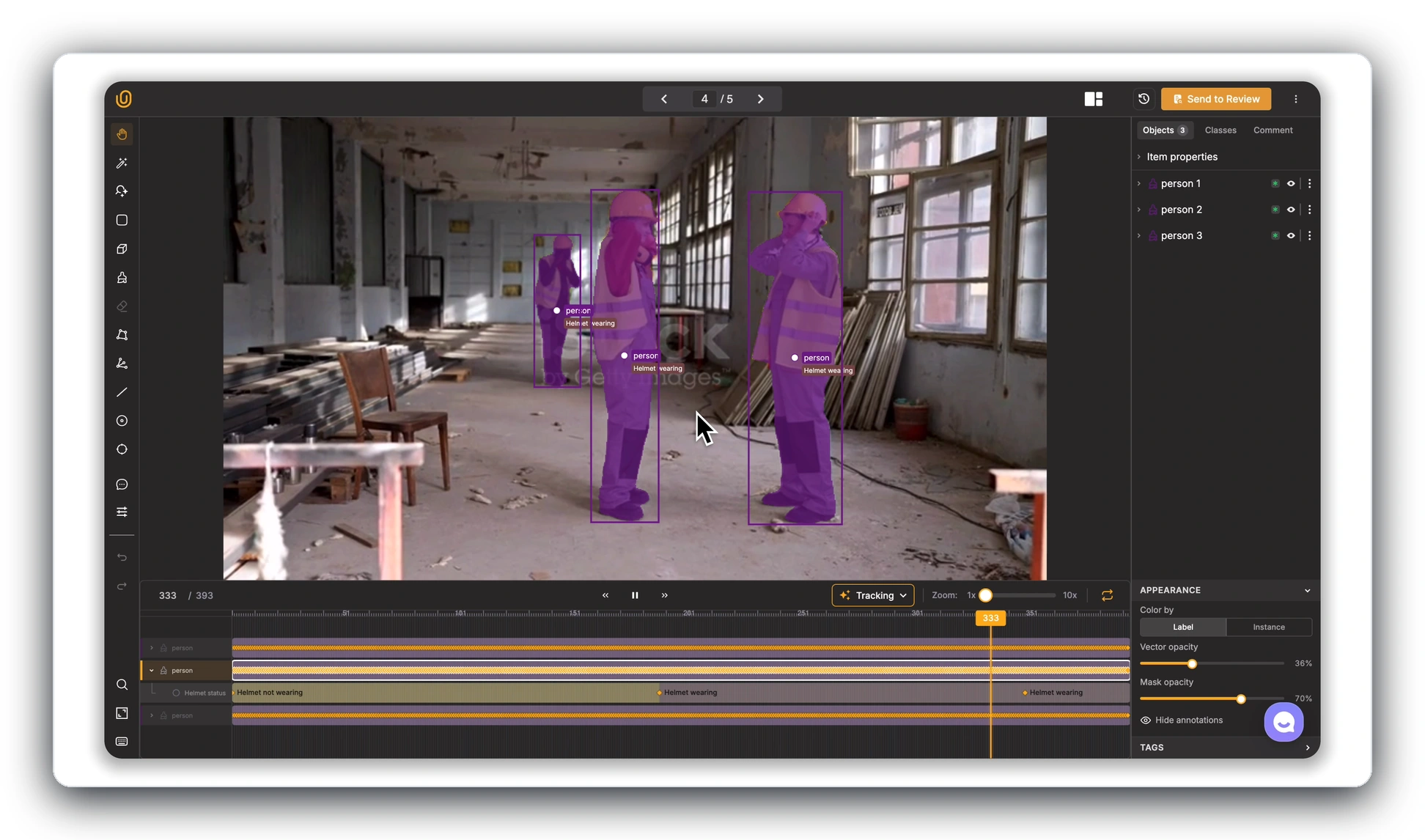
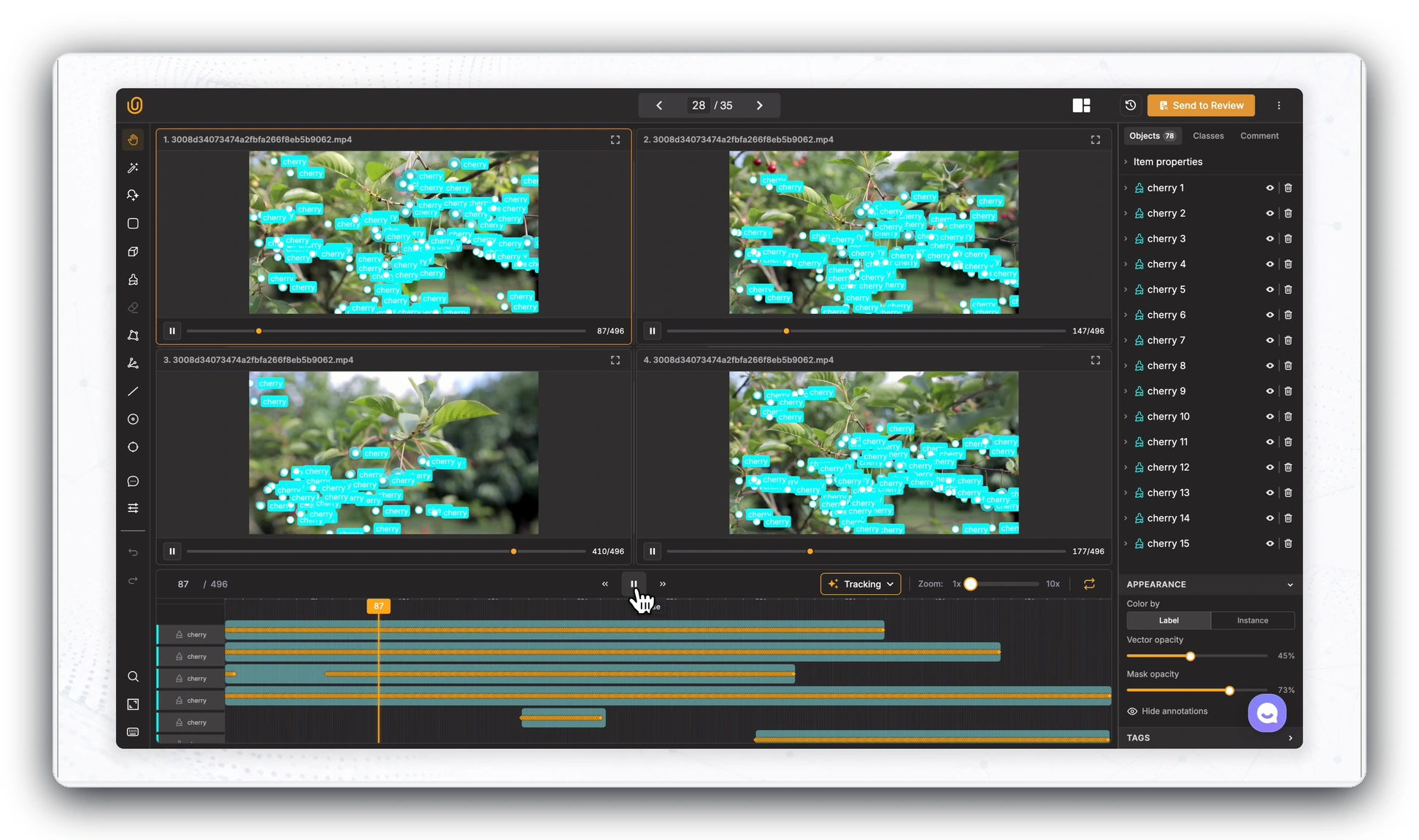
Yes. Unitlab AI includes built-in AI models to speed up annotation with auto-labeling, tracking, and segmentation. You can review, edit, and validate everything to keep quality high.
Absolutely. Unitlab supports Bring Your Own Model (BYO) workflows. You can plug in your own models, combine them with Unitlab’s built-in models, and run multiple models in a single annotation workflow.
Pricing depends on the type of annotation, dataset size, number of classes, and complexity. Labeling services start from $0.02 per image, with custom pricing available for multimodal and large-scale projects.
You do. With on-premises deployments, all data stays inside your own infrastructure and Unitlab has no access to it. If you use Unitlab’s hosted platform, your data is encrypted and isolated, and is not visible to Unitlab staff. Access is strictly controlled and limited to your team based on roles and permissions.
It does. Unitlab is built for teams, with support for multiple annotators, reviewers, approval steps, and full annotation history so nothing gets lost.
Yes. Unitlab is designed to scale, from small experiments to production-level data annotation. Teams use it to manage large datasets, complex workflows, and long-running annotation projects.




We care about your data and use cookies solely to enhance your experience. By using this website, you agree to our cookie policy. Learn more about our Privacy Policy and Cookies Policy.


