

Review structured labels with reusable schemas and governed quality workflows.
Automate curation, management, and versioning of tabular datasets.
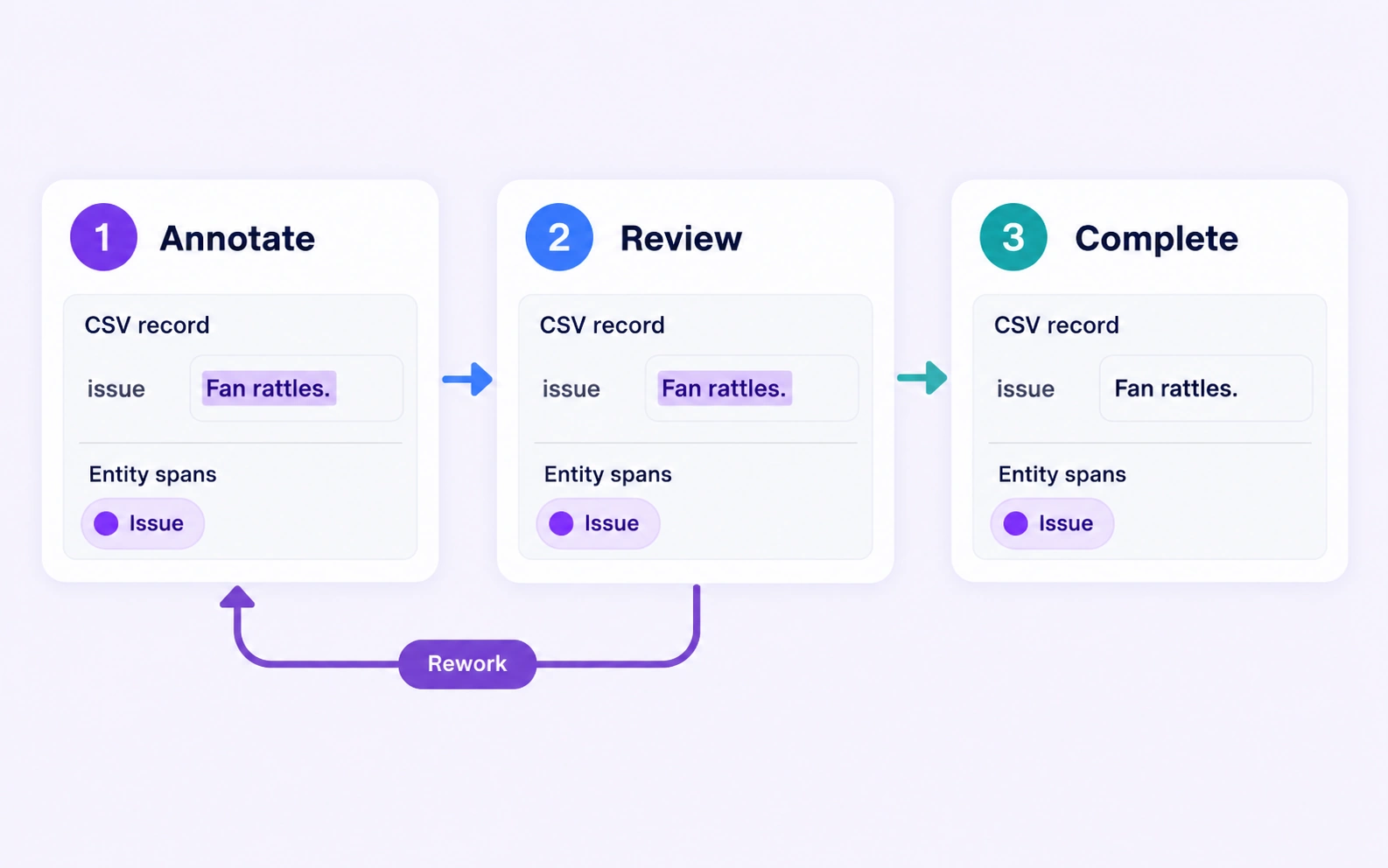
Reusable ontologies and governed quality control reduce labeling and review rework.
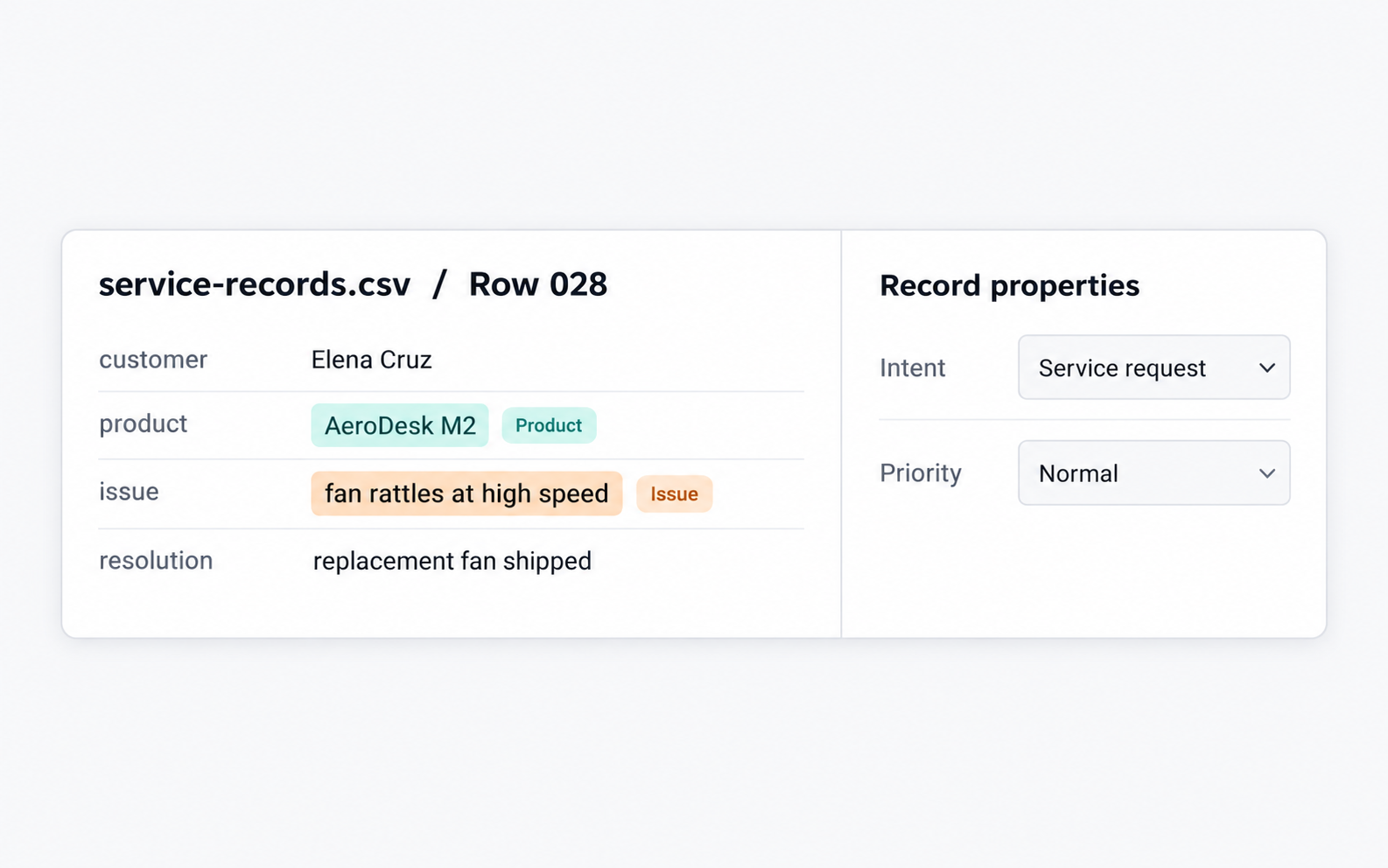
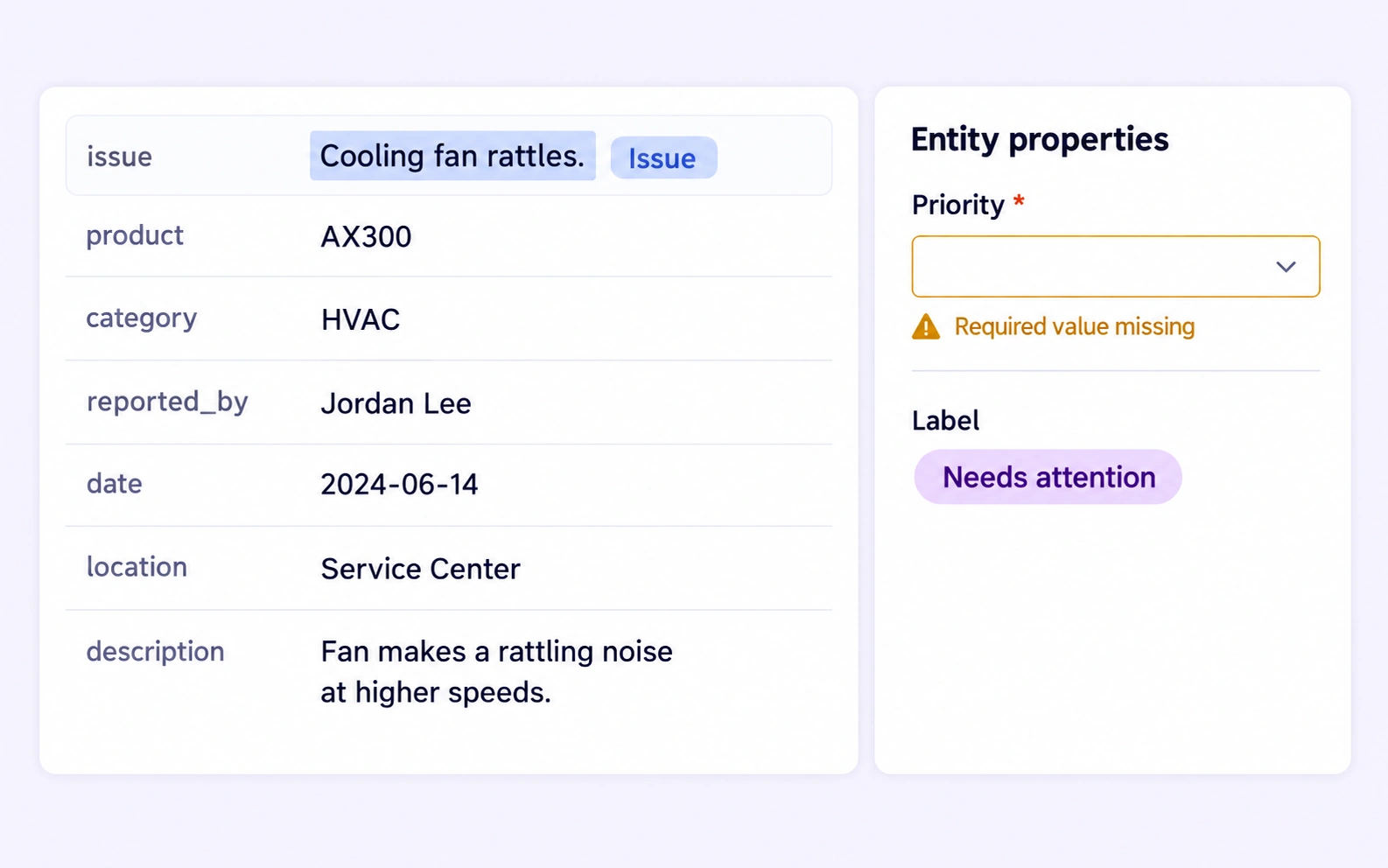
Highlight exact text inside CSV fields and classify the complete record with shared properties. Keep every label attached to its source field and record context.
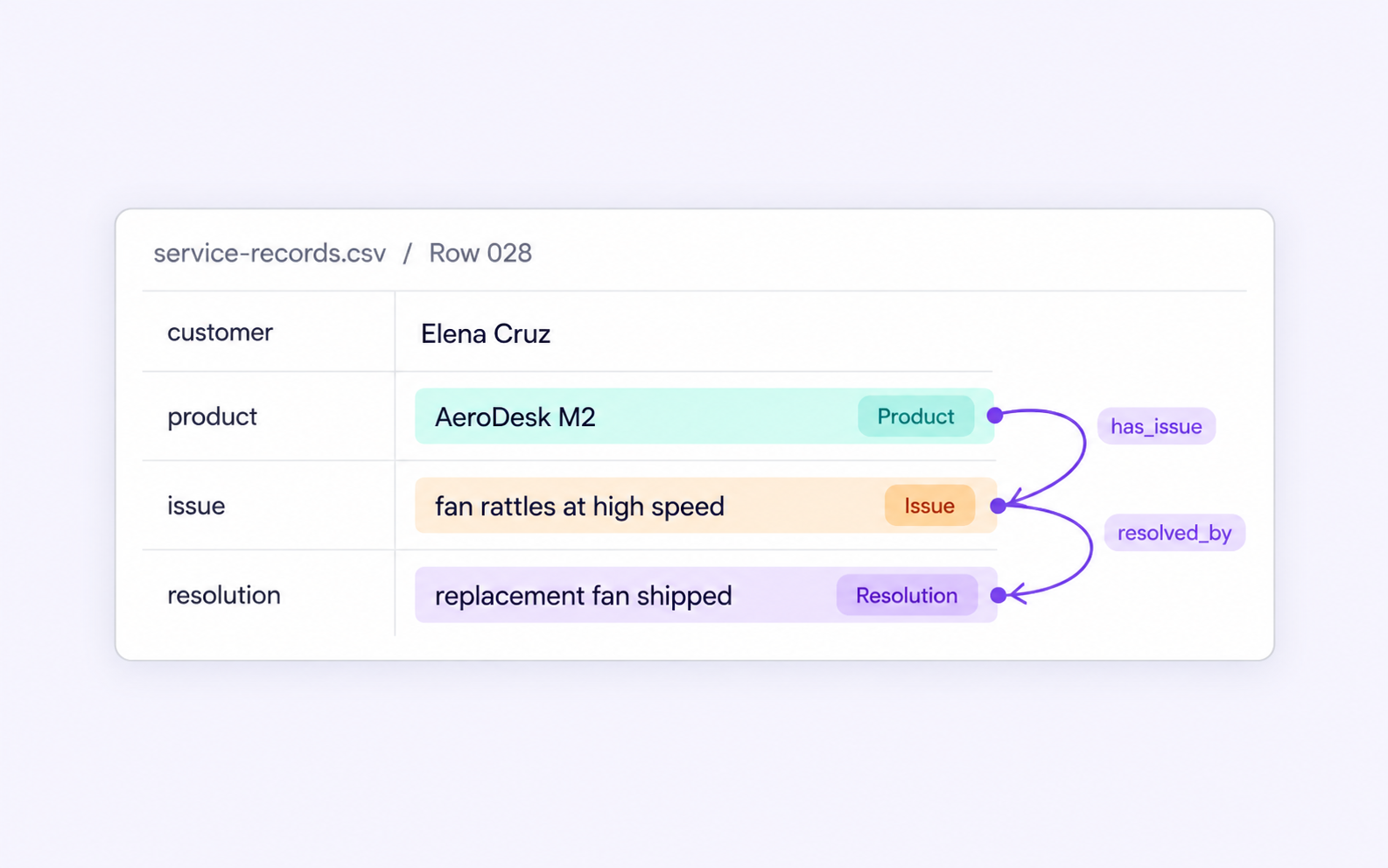
Connect labeled entities and header marks across fields within the same record. Use typed relationships to express the association and review it with the original evidence.
It is the process of checking that structured record labels are accurate, consistent, complete, and traceable. Unitlab combines review, shared ontologies, benchmarks, consensus, and workflow routing around the original CSV records.
Reviewers can work with record properties, cell text entities, column and header labels, and relationships in the original record context. The available labels follow the ontology and annotation task.
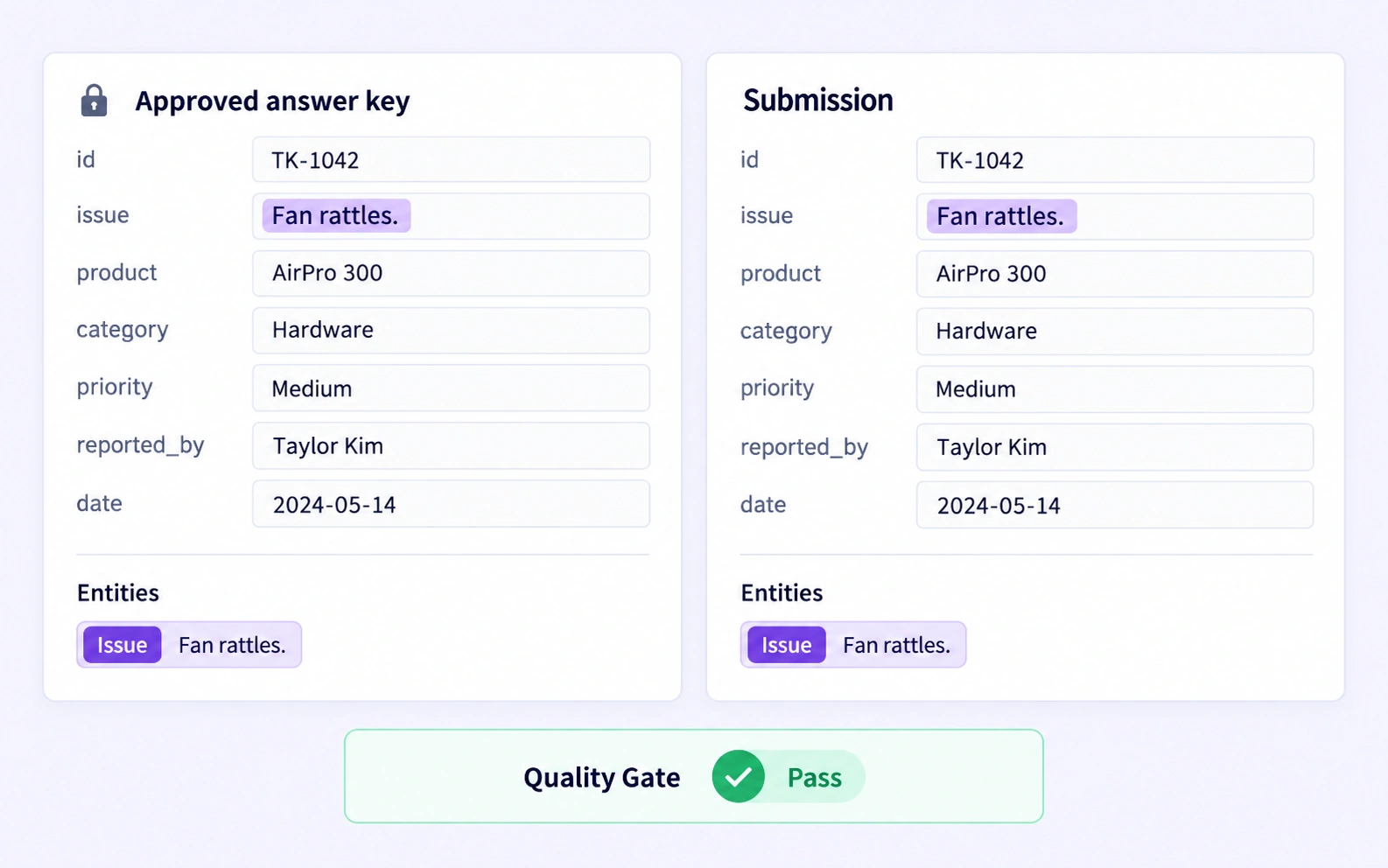
Managers create and approve reference answer keys that remain hidden from annotators. Later submissions can be compared with the frozen key, and a configured Quality Gate routes the outcome.
A record without a comparable approved answer key follows the not-evaluated outcome. Missing benchmark evidence is not treated as a successful quality check.
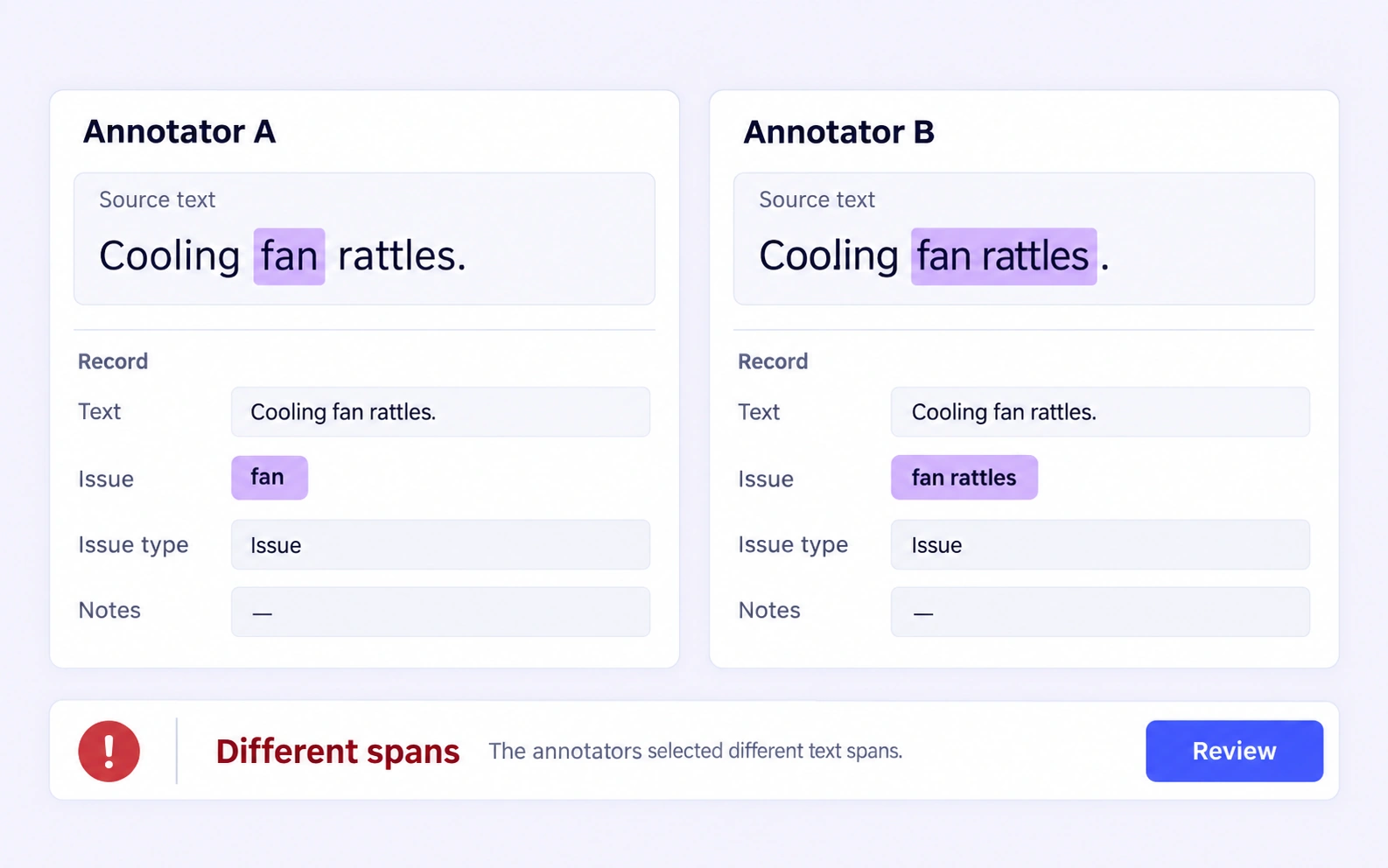
Consensus collects independent annotations and compares agreement. When the configured agreement requirement is not met, the submissions can be reviewed and refined before a result is approved.
Yes. Configured review and rework paths send rejected work back for correction and another review. Workflow history retains the sequence of attempts and decisions.
Quality checks can surface missing required values, ontology validation problems, and open issues. Reviewers can open the affected record and resolve findings with its source and labels in view.
Dataset versions and workflow history help teams trace annotated records and reviewed releases as their data changes. This supports reproducible downstream training and evaluation.
This solution focuses on quality workflows for CSV records and their field-level labels. Unitlab’s general annotation quality assurance page describes the shared review and quality capabilities used across supported modalities.


We use cookies to improve your experience. See our Privacy Policy and Cookie Policy.