AI-Powered Image Annotation
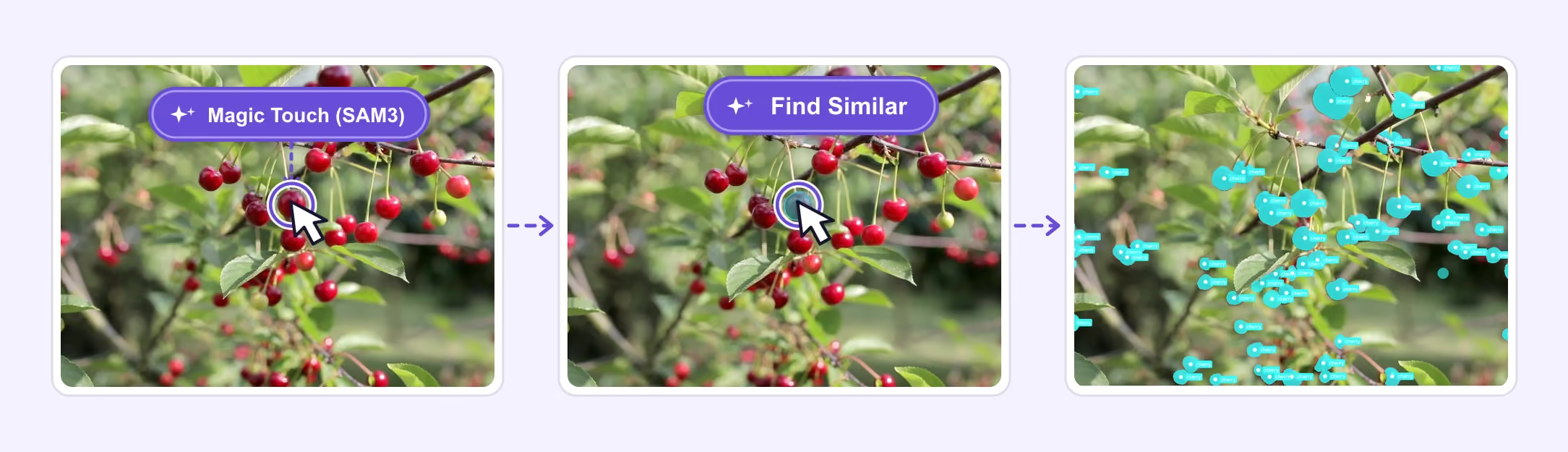
Accelerate image annotation with Magic Touch (SAM3), Find Similar Models, and AI-assisted tools for editable masks, bounding boxes, polygons, keypoints, and classifications.
Curate, label, and review computer vision training data faster with AI-assisted object detection, image segmentation, precise labeling tools, and governed quality assurance.
Label images with boxes, polygons, masks, keypoints, classifications, and structured properties while keeping every quality decision traceable.

Accelerate image annotation with Magic Touch (SAM3), Find Similar Models, and AI-assisted tools for editable masks, bounding boxes, polygons, keypoints, and classifications.

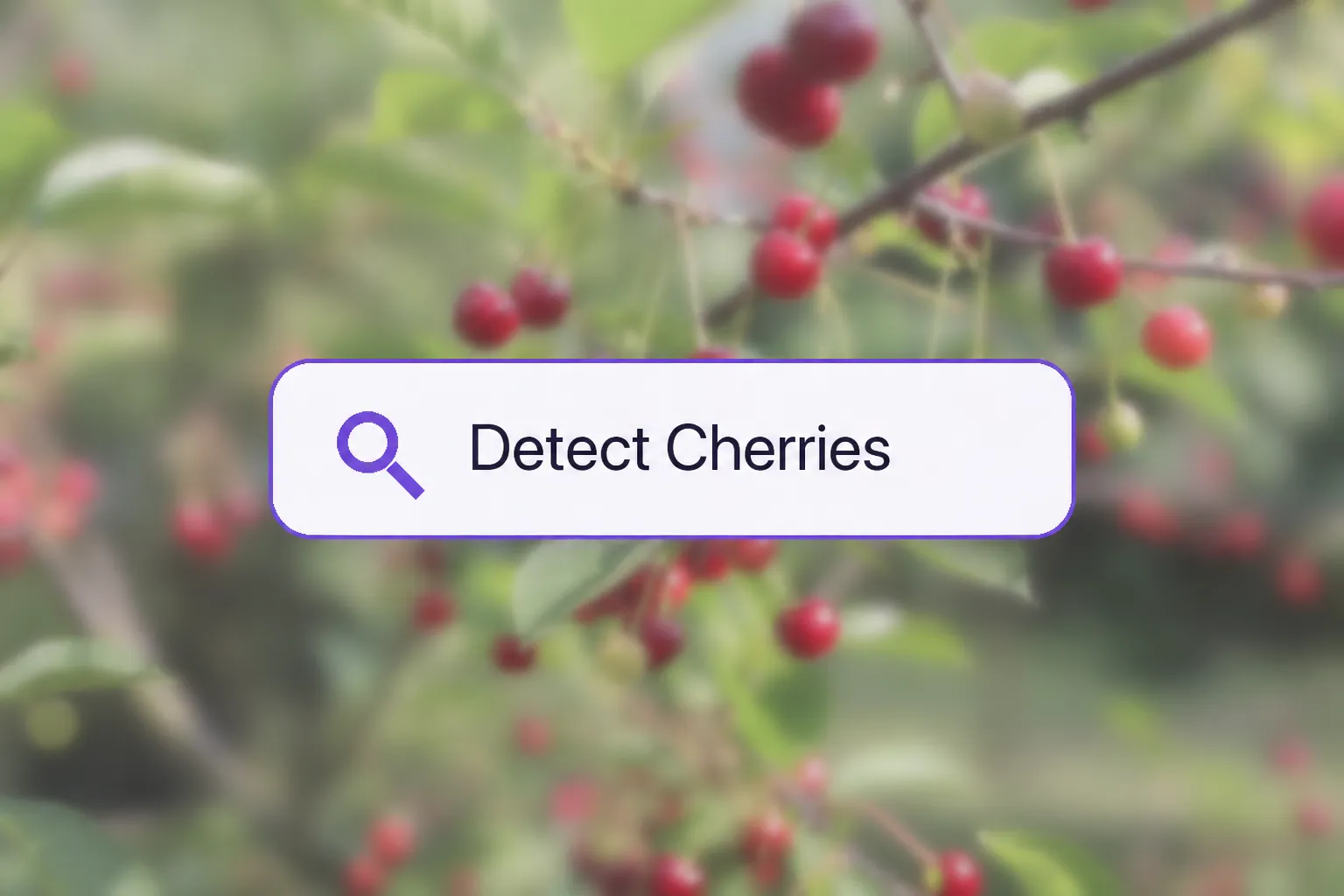
Describe what to detect in natural language and automatically generate editable image annotations for matching objects across the image.
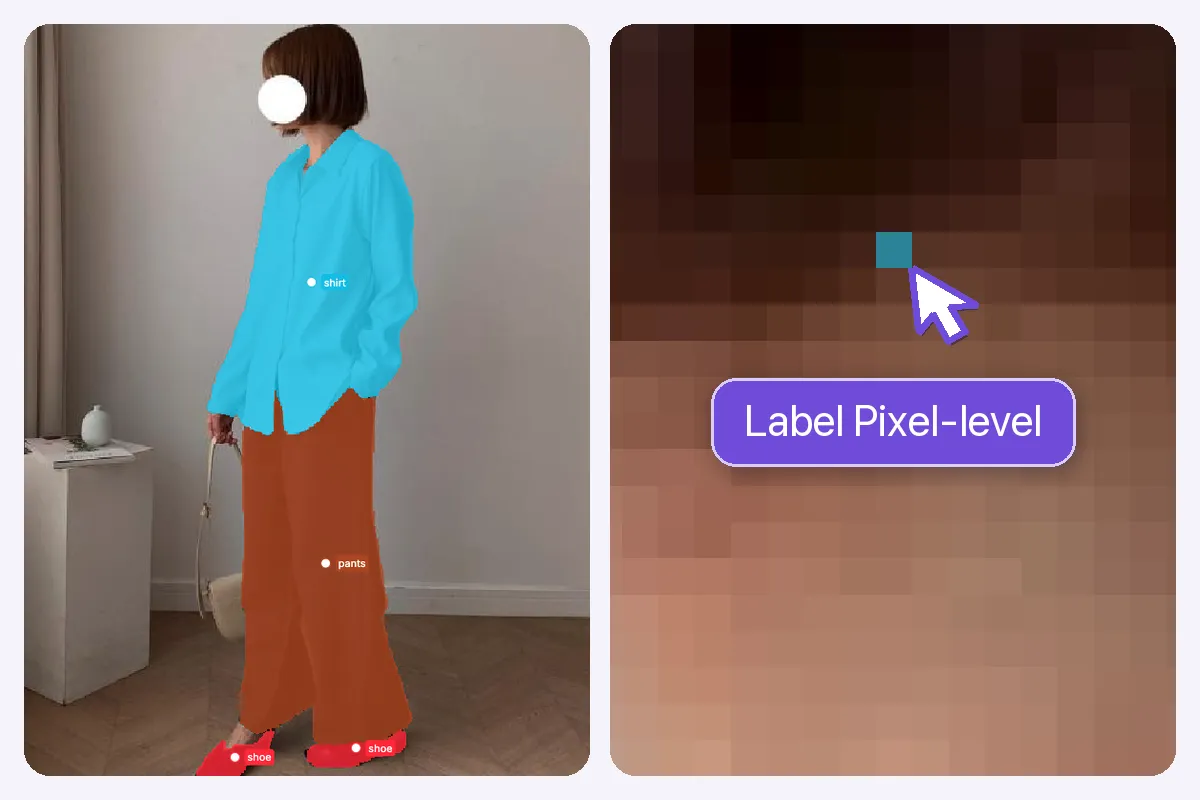
Create pixel-accurate masks, polygons, boxes, points, and keypoints with precise drawing, editing, and zoom controls.

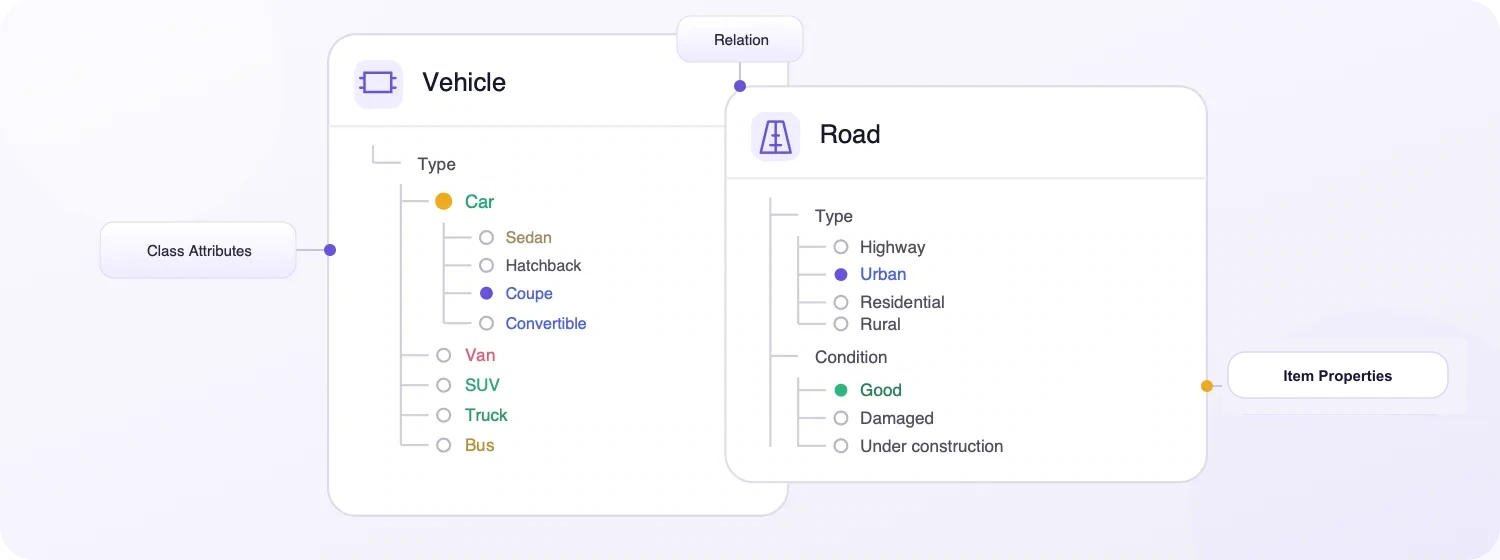
Define nested classes and reusable properties for objects and complete images, then validate every label against one governed ontology.

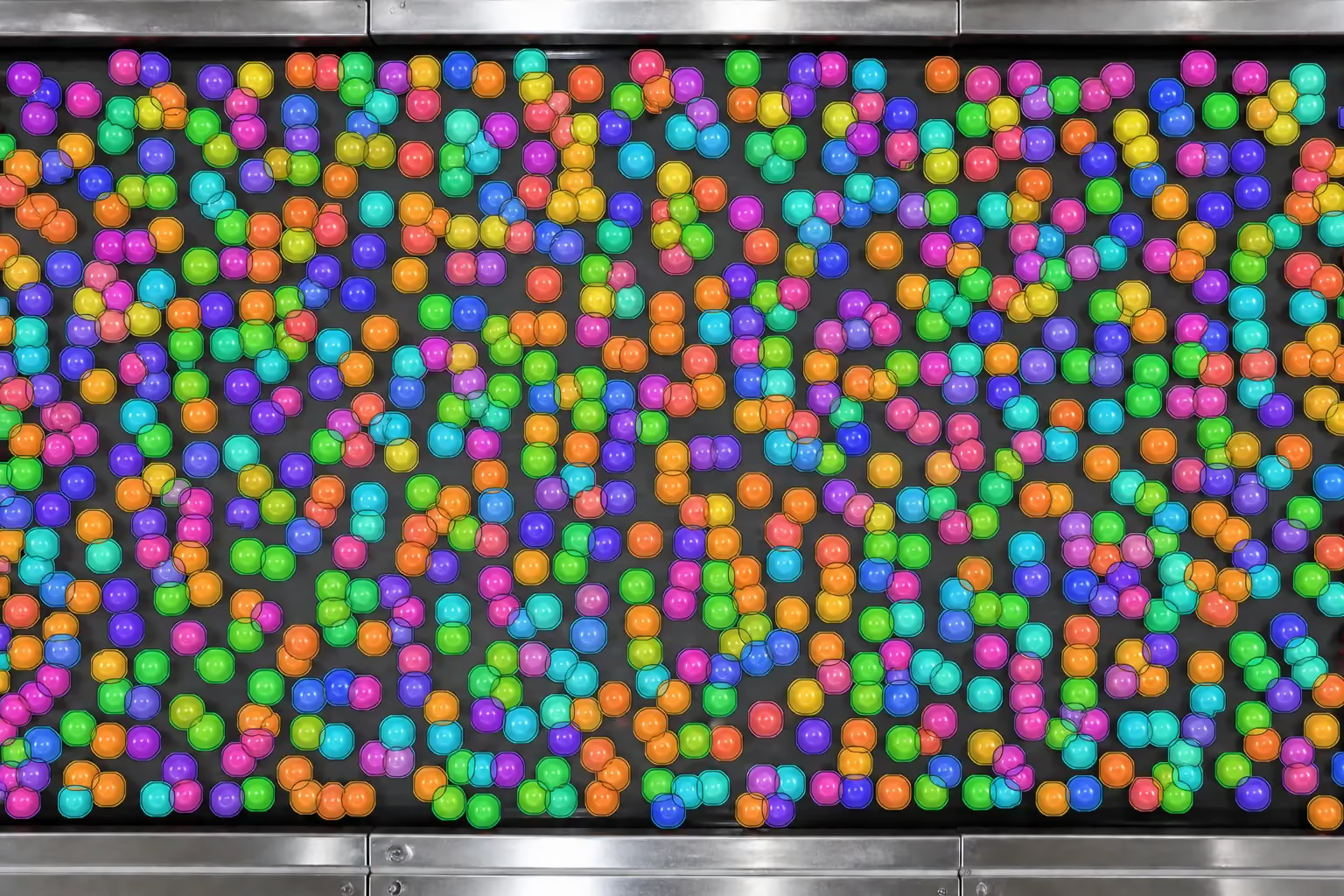
Label and review 10,000+ tiny objects in a single image with responsive zoom, precise instance masks, and reliable performance at scale.

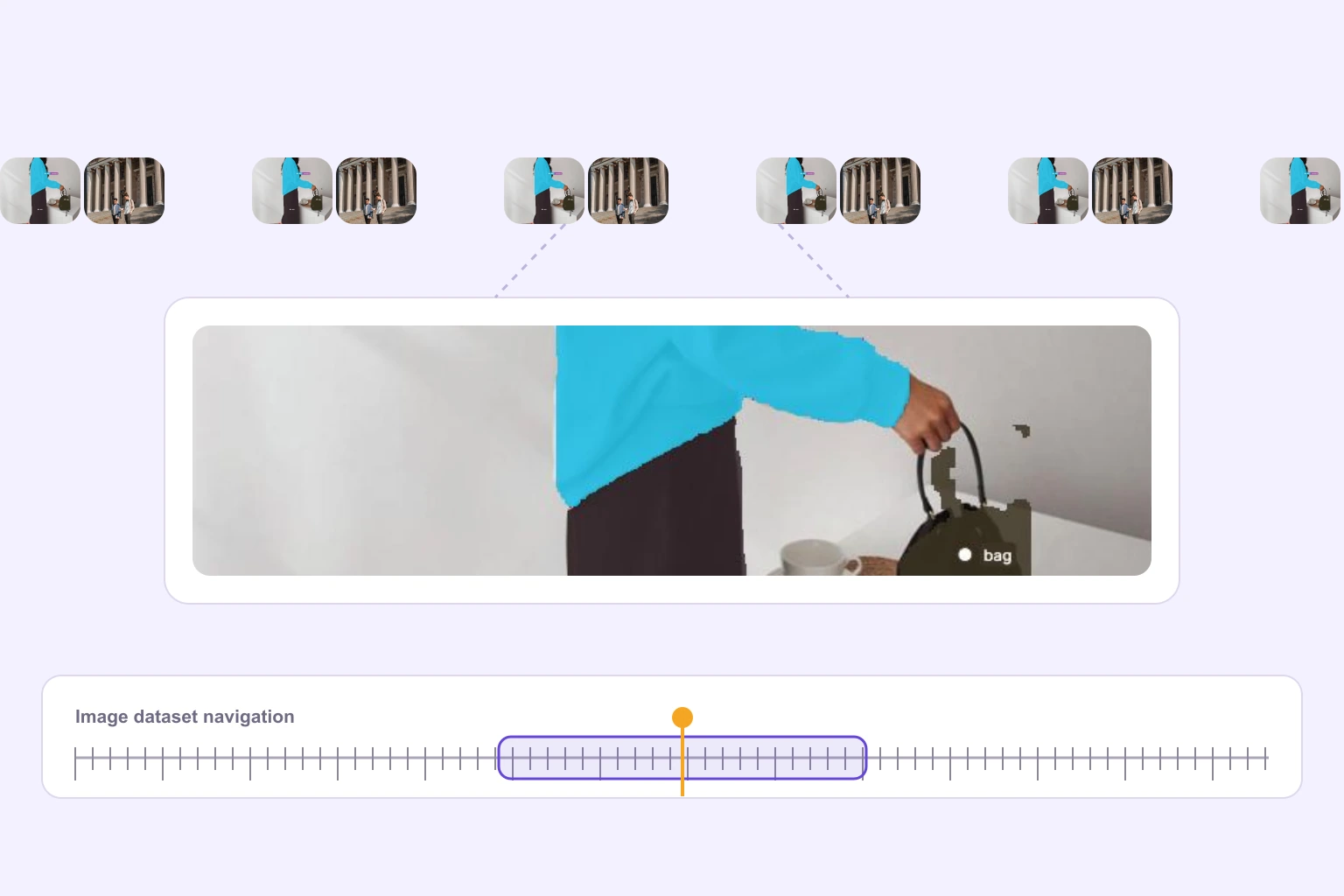
Navigate large image datasets with fast previews, stable zoom, structured queues, and precise access to every annotation.
Annotate complex image datasets faster with AI-assisted automation, scalable review workflows, and lower operational costs.
Create object-detection boxes, image segmentation masks, polygons, skeletons, polylines, keypoints, classifications, and relations across image datasets.
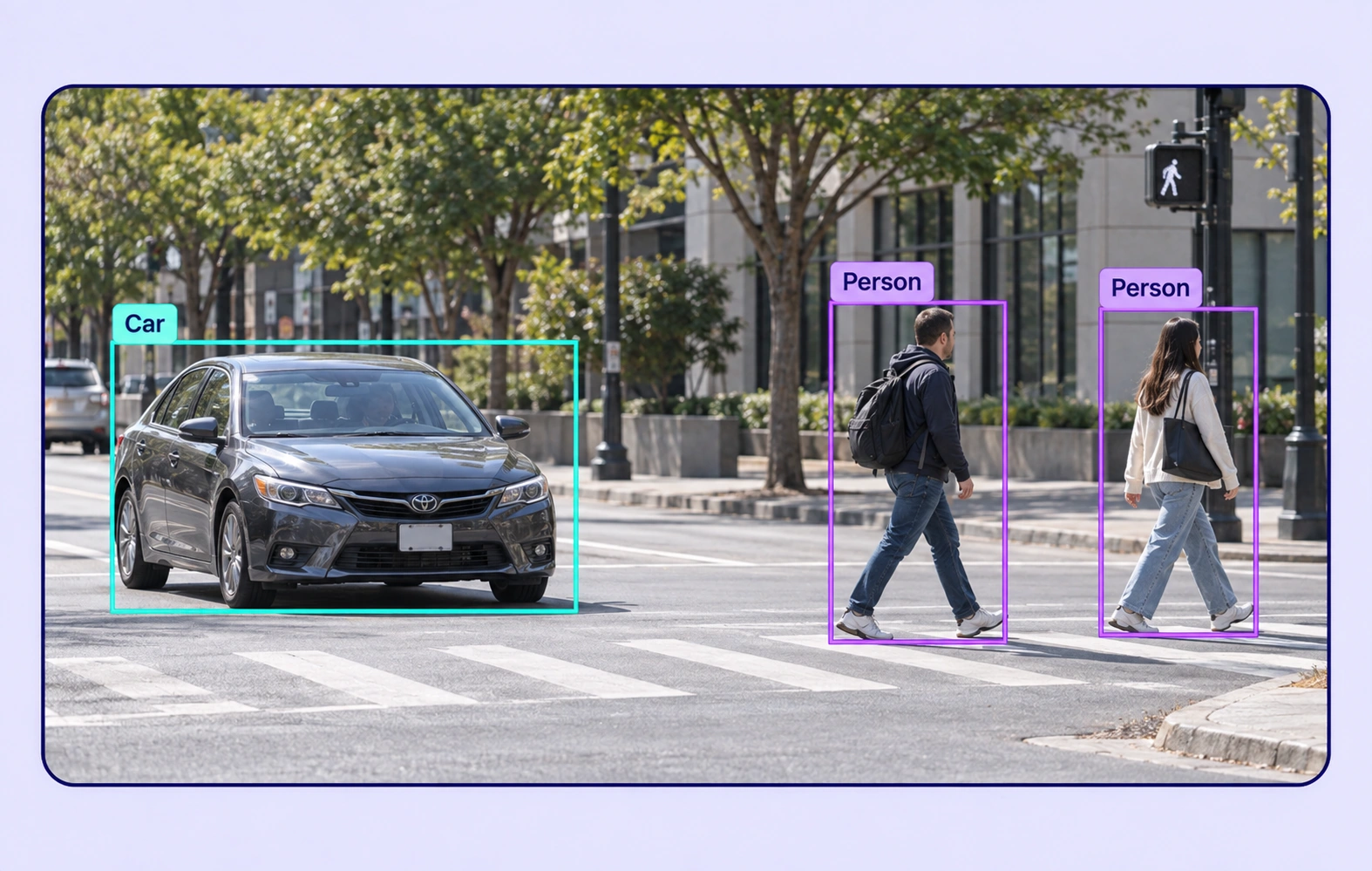
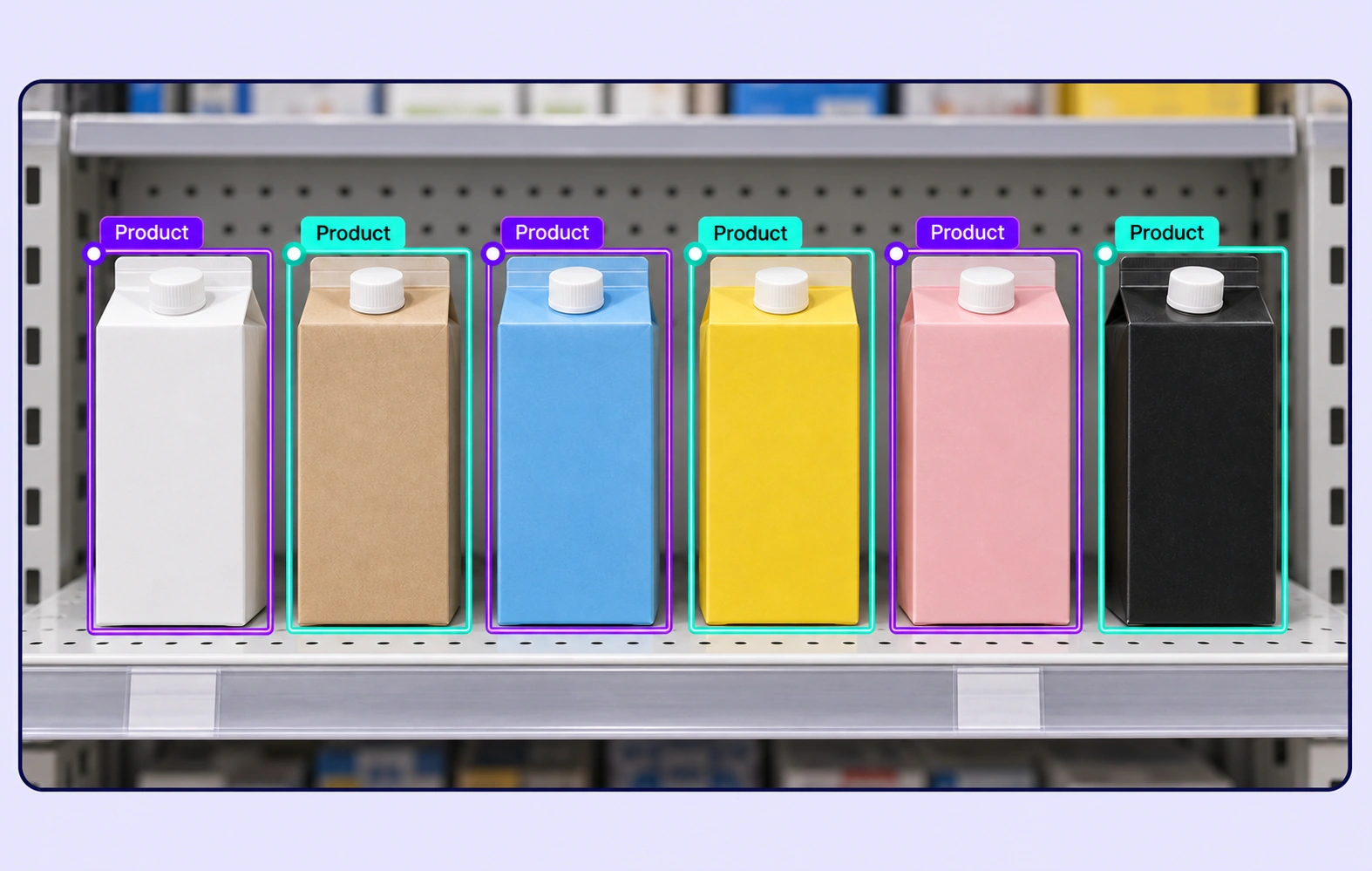
Label rectangular objects with precise bounding boxes and AI-assisted detection.
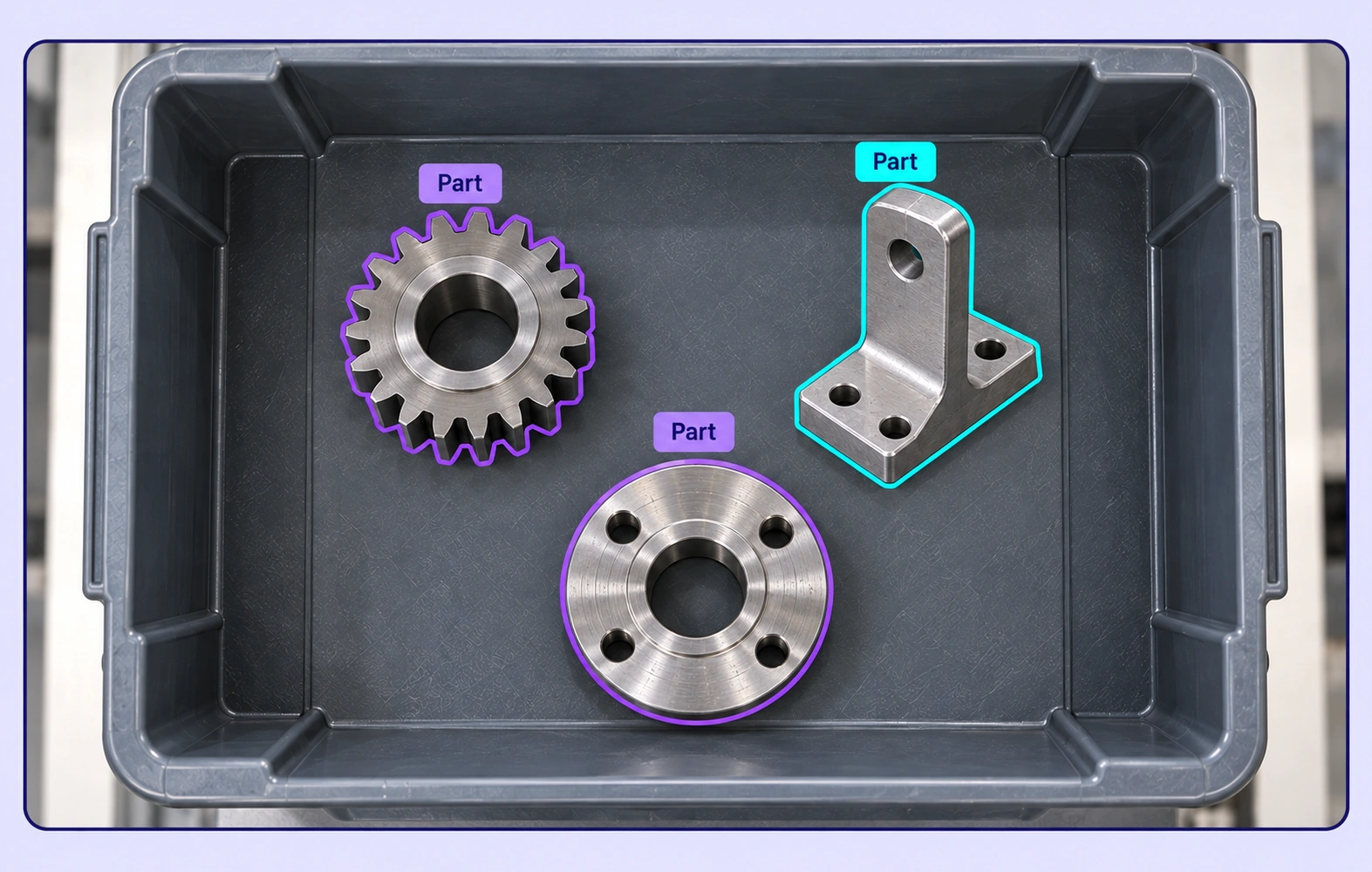
Capture pixel-accurate object masks with brush, polygon, and AI-assisted segmentation tools.
Outline irregular objects and regions precisely with editable polygon annotations.
Model poses, landmarks, and articulated structures with connected keypoints.
Trace lanes, boundaries, paths, edges, and contours within complex images.
Mark exact landmarks, features, and reference points with pixel-level precision.
Represent oriented objects and spatial extent with depth-aware 3D cuboids.
Label properties that describe the complete image, including source, environment, quality, and scene-level attributes.
Connect objects and events to capture interactions, ownership, direction, and other contextual relationships.
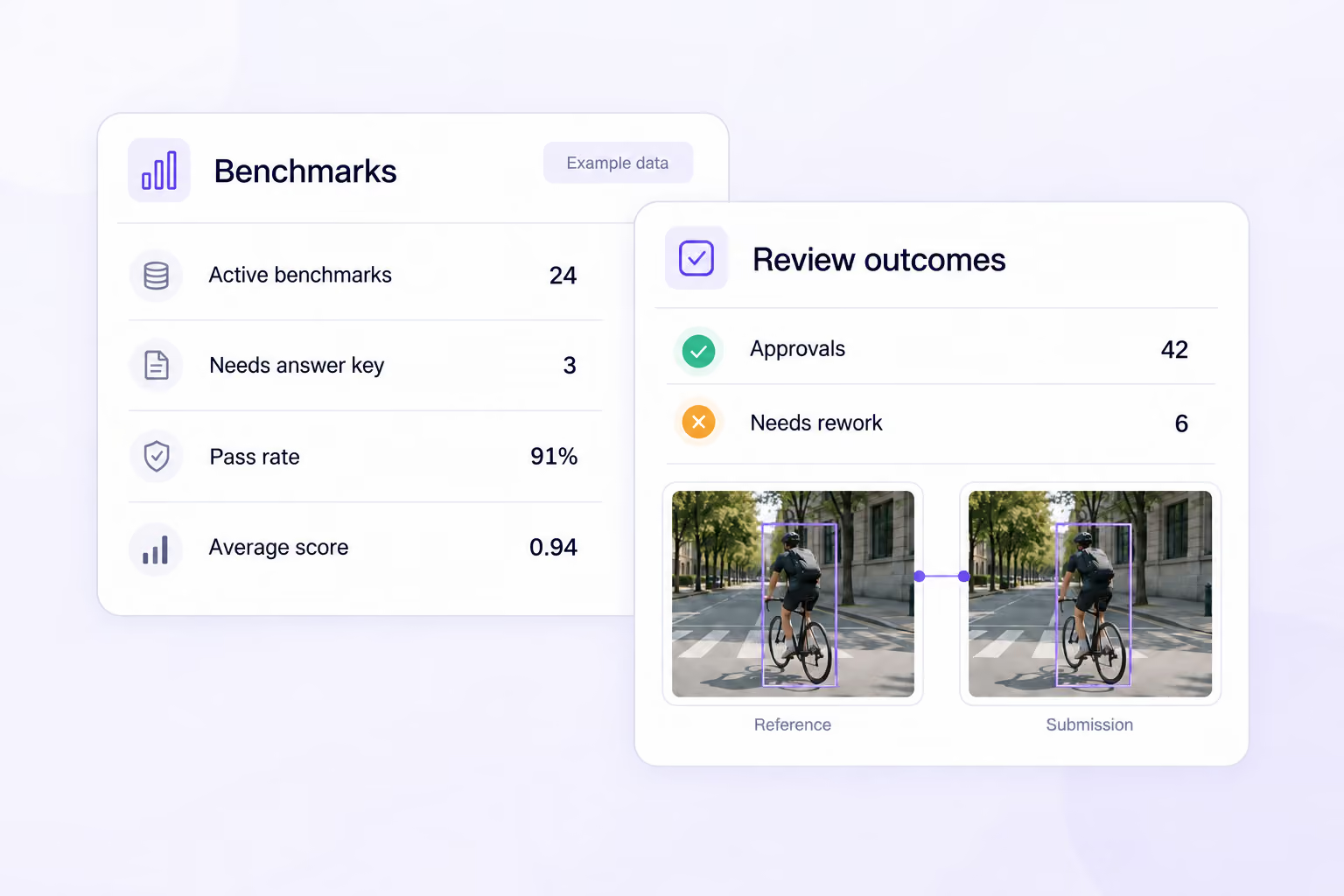
Search, version, and inspect image datasets, connect AI models, and move annotations through review and approval.

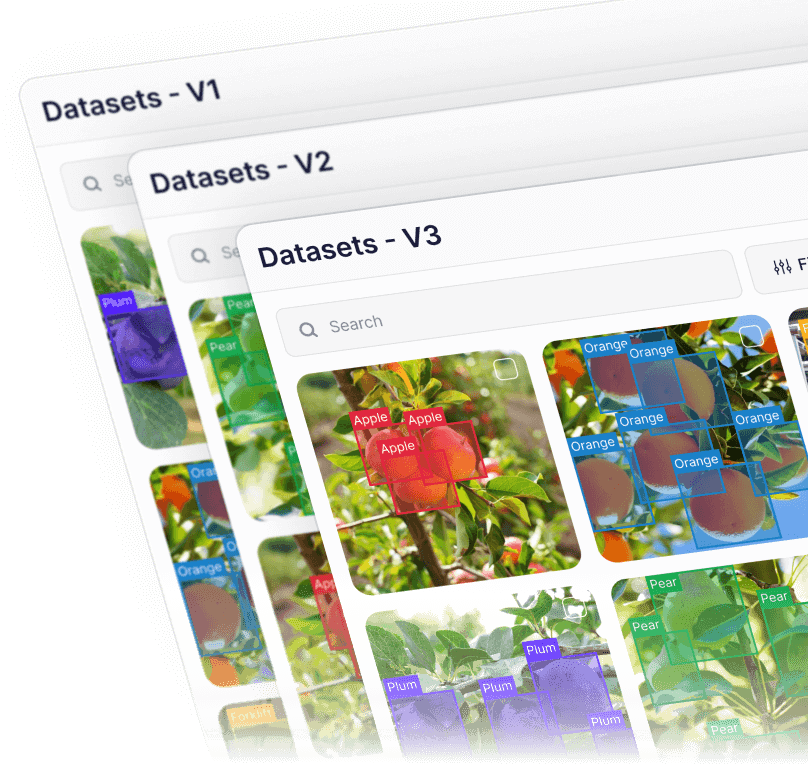
Create and manage dataset versions as image data evolves. Track changes, assign work, and keep every release auditable and production-ready.
.webp)
Explore large image datasets through semantic understanding instead of manual filters. Find relevant samples across diverse conditions.

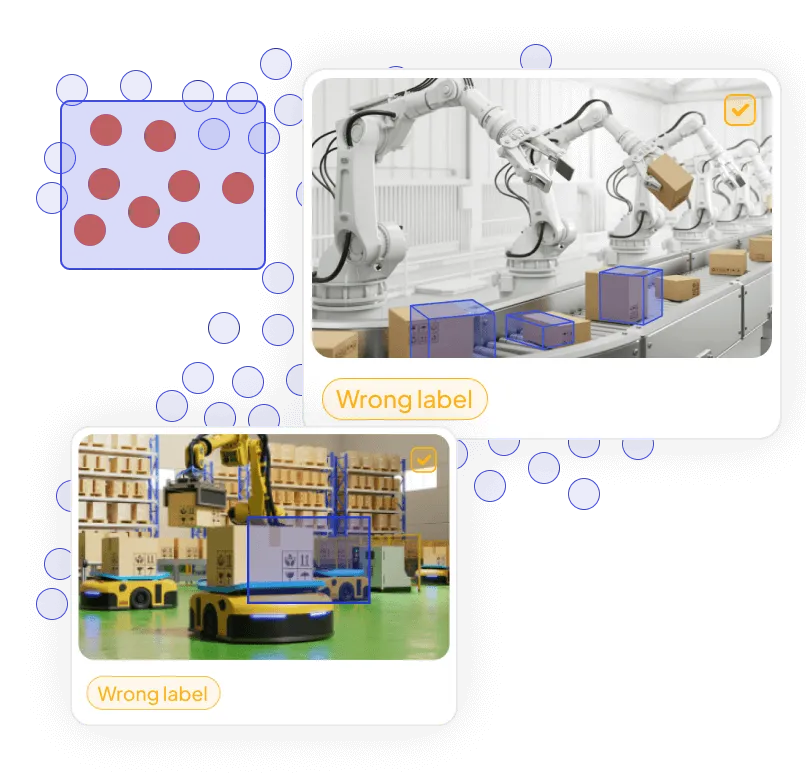
Visualize dataset structure, identify outliers and labeling issues, and improve image-data quality before training.

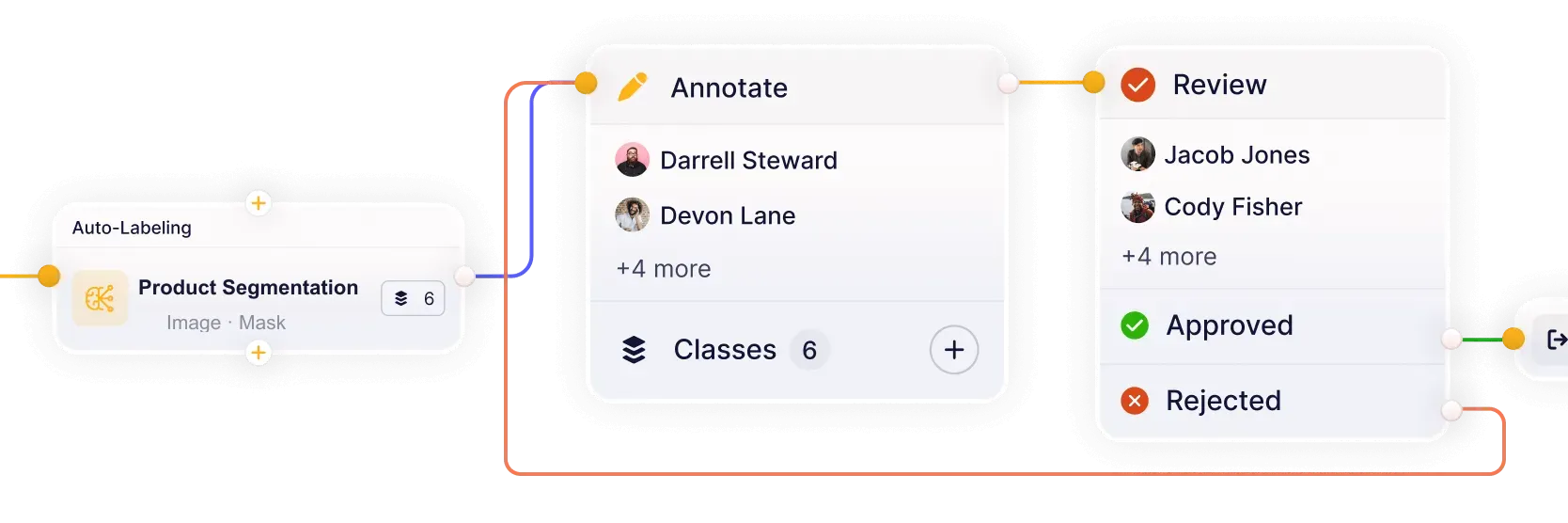
Build workflows that connect models, annotation, review, and quality assurance in one continuous loop. Reduce handoffs and keep datasets moving from labeling to approval.
Connect your own AI models for pre-labeling and model-assisted annotation. Improve accuracy and iterate faster on real-world image datasets.
Create precise computer vision datasets for automated inspection, autonomous systems, robotics, and retail intelligence.

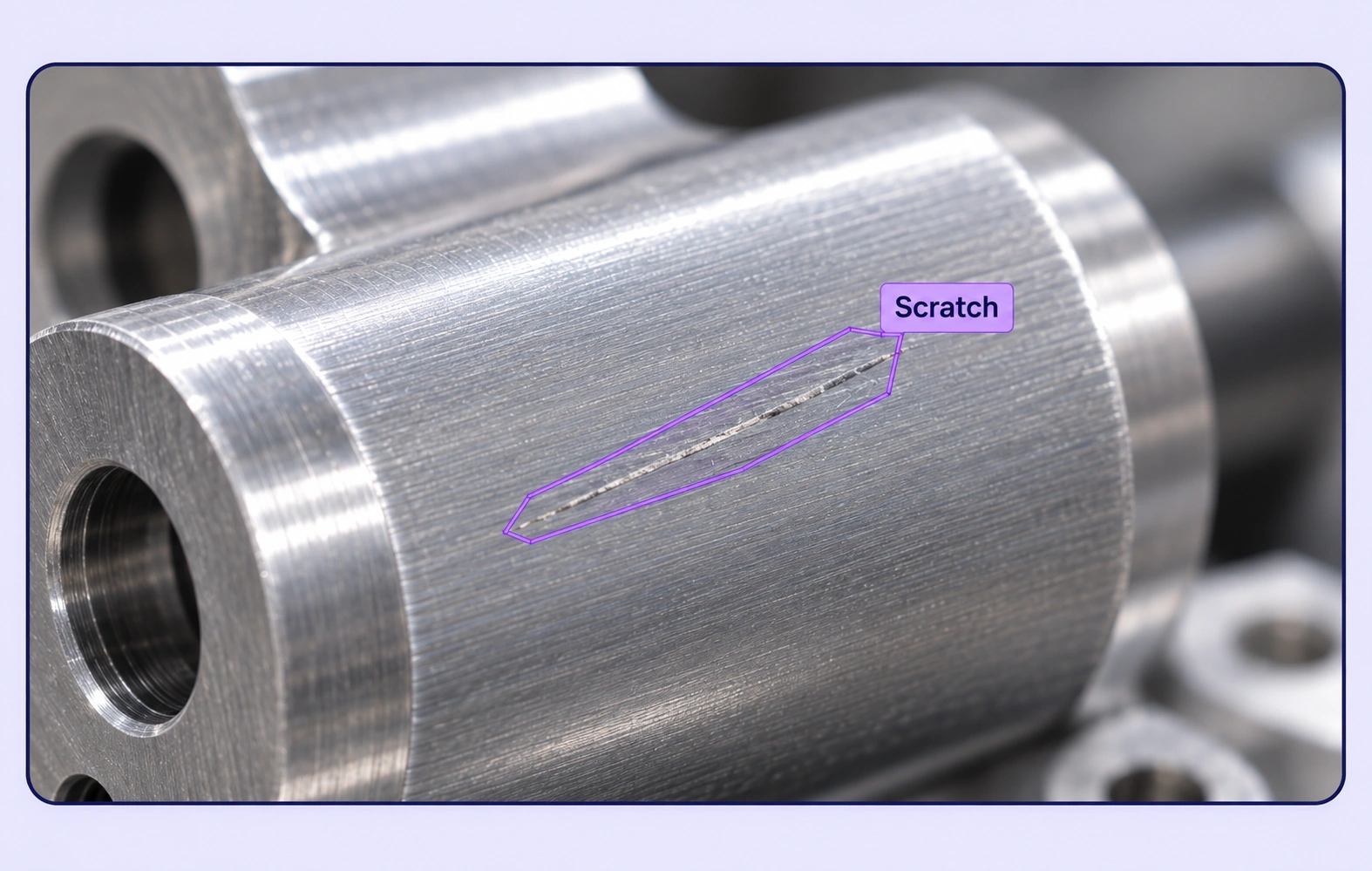
Annotate defects, surface damage, missing components, and assembly issues across production images for automated visual inspection.
Explore manufacturing use cases
Label vehicles, pedestrians, road objects, obstacles, and environmental context for perception and navigation models.
Explore transportation solutions
Create precise object, pose, segmentation, and interaction labels for robotic perception, manipulation, and scene understanding.
Explore robotics solutions
Annotate products, shelves, packaging, inventory states, and visual attributes for recognition, monitoring, and analytics.
Explore ecommerce solutionsAnswers about image annotation and labeling, object detection, image segmentation, keypoints, ontologies, quality workflows, custom models, and computer vision datasets in Unitlab.
Talk with the Unitlab teamUnitlab supports bounding boxes, segmentation masks and brushes, polygons, skeletons, lines and polylines, points and keypoints, cuboids and 3D boxes, relations, class properties, and item properties. Teams define labels and rules in reusable ontologies for consistent image training data.
Image annotation documentationUnitlab connects detection and segmentation models to generate editable predictions for images. Annotators validate, correct, and approve model output while human review remains part of the governed quality workflow.
AI-assisted annotation documentationYes. Unitlab supports large image collections and high-resolution sources with fast previews, precise zoom, structured queues, reusable ontologies, and scalable review workflows.
Image dataset documentationNested ontologies define objects, classifications, properties, and relations. Class properties describe labeled objects, while item properties capture image-level source, quality, and scene context.
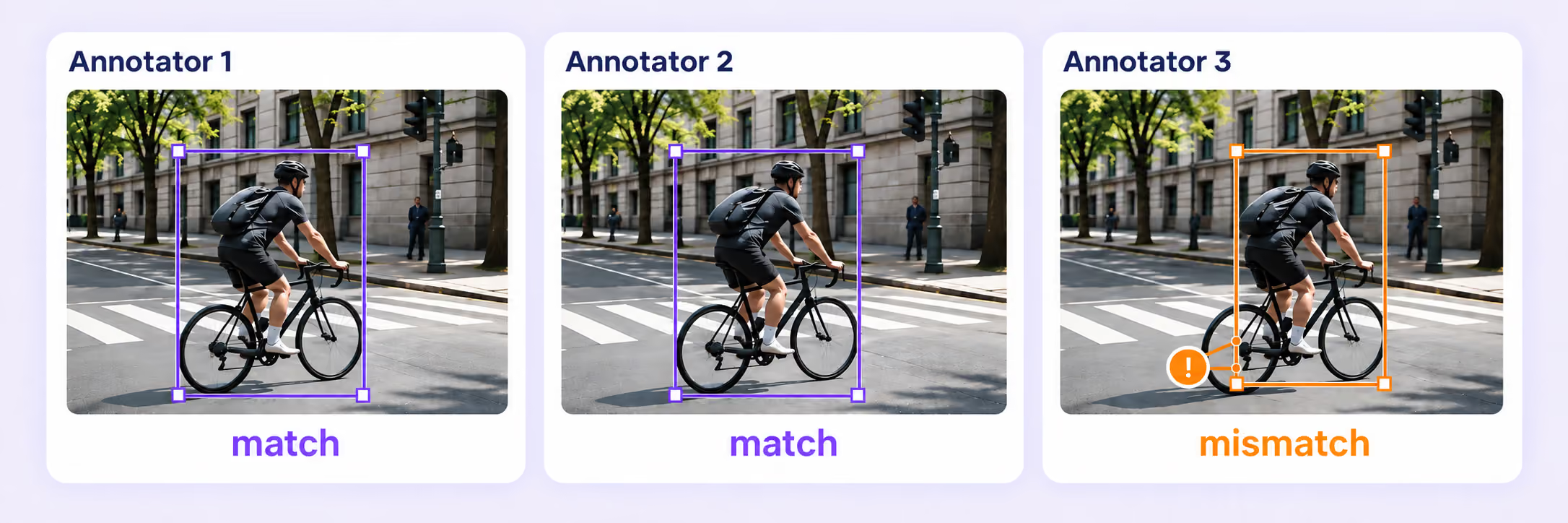
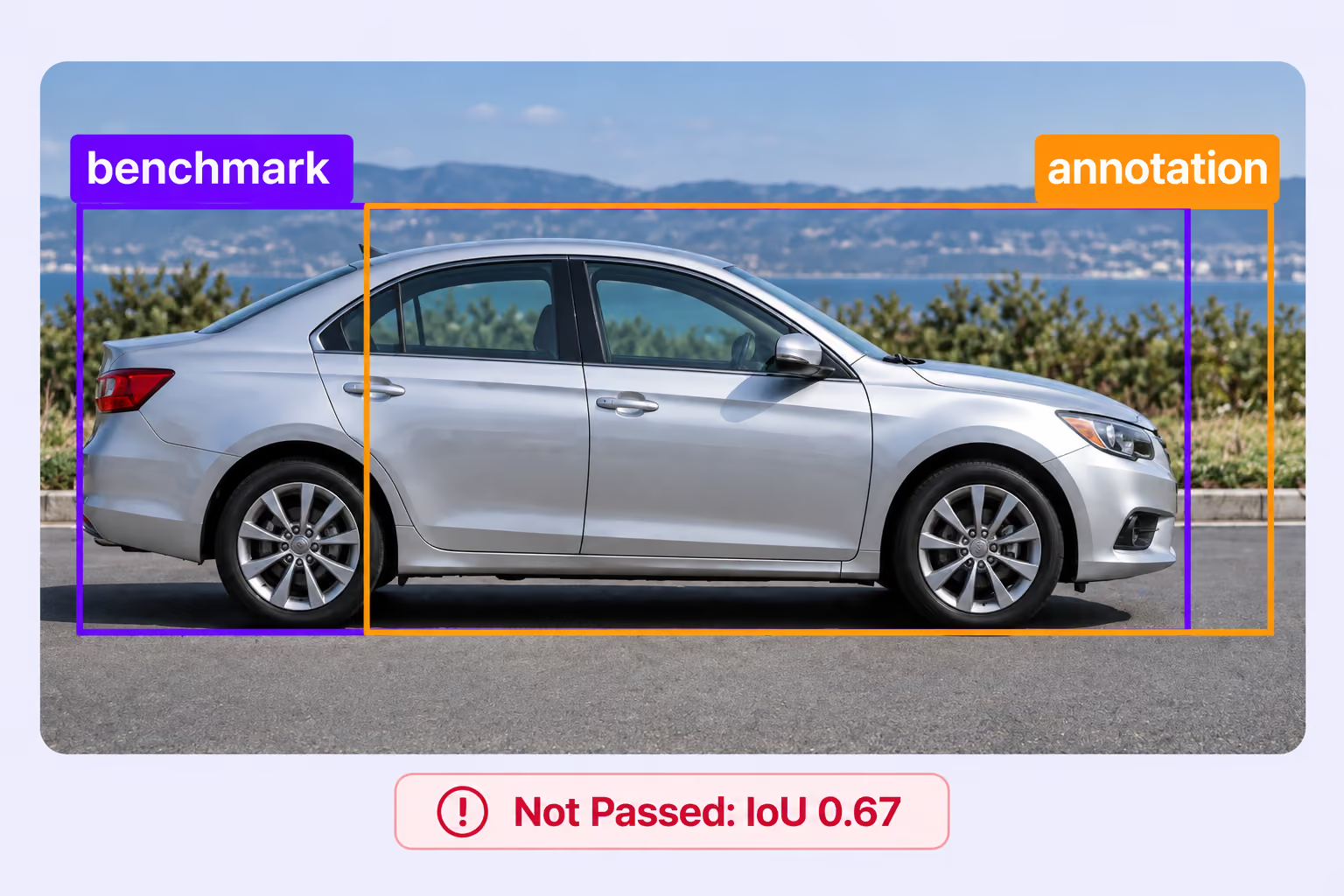
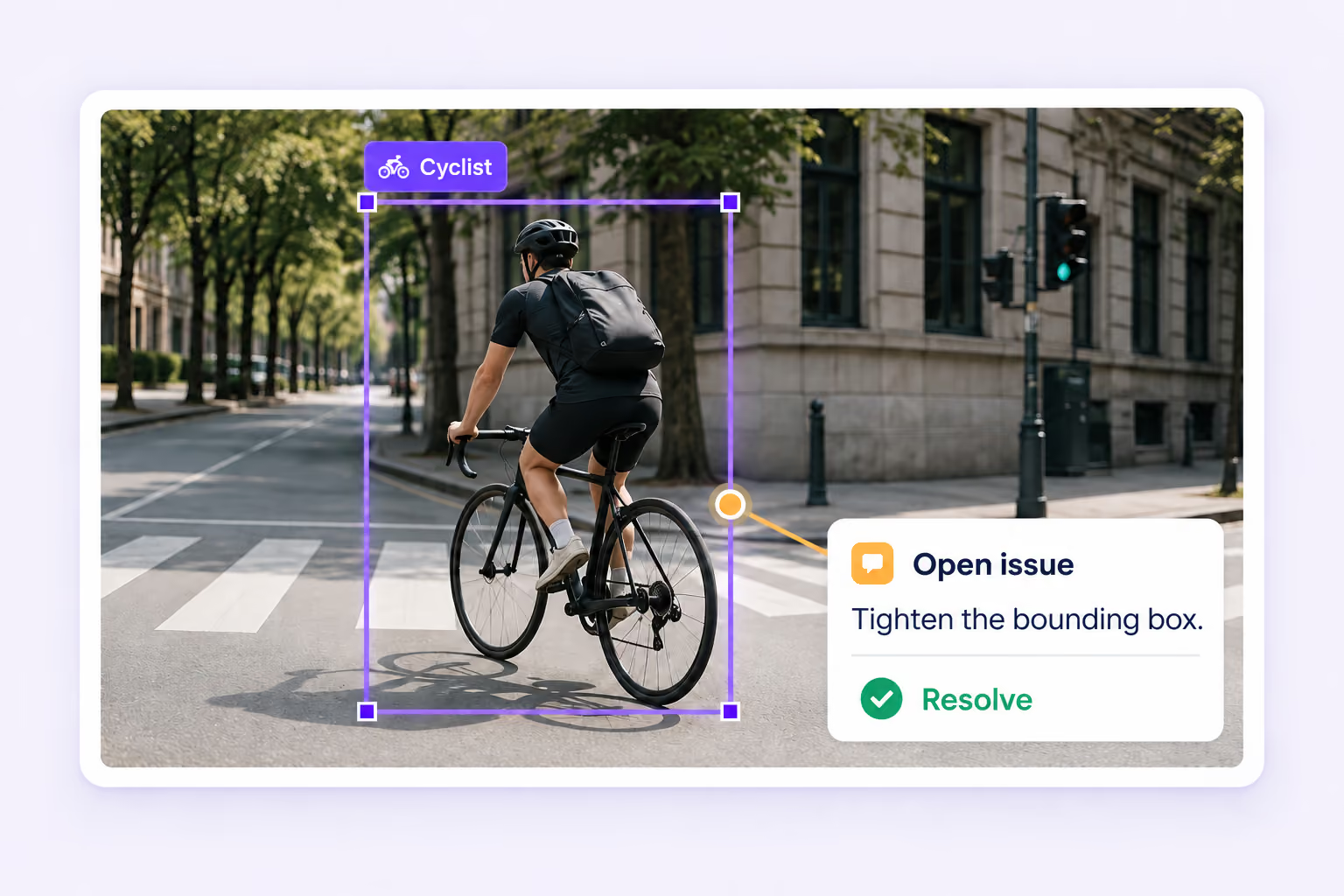
Properties and relations documentationConfigurable workflows route image tasks through annotation, review, rework, and approval. Instructions, assignments, comments, issues, annotation history, dataset versions, and releases keep every quality decision traceable.
Annotation and review documentationYes. Unitlab can bring custom models into the annotation workflow to generate pre-labels and predictions. Annotators review and correct model output instead of starting from zero, while human approval remains part of the governed quality process.
Model integration documentationYes. Teams can curate image data with metadata filters, semantic search, embeddings, similarity, and outlier discovery, then annotate selected samples, review results, and publish controlled dataset versions.
Dataset management documentationAnnotate, segment, review, and manage complex image data in one AI-assisted workspace. Move faster from raw images to production-ready datasets with automation and built-in quality control.