
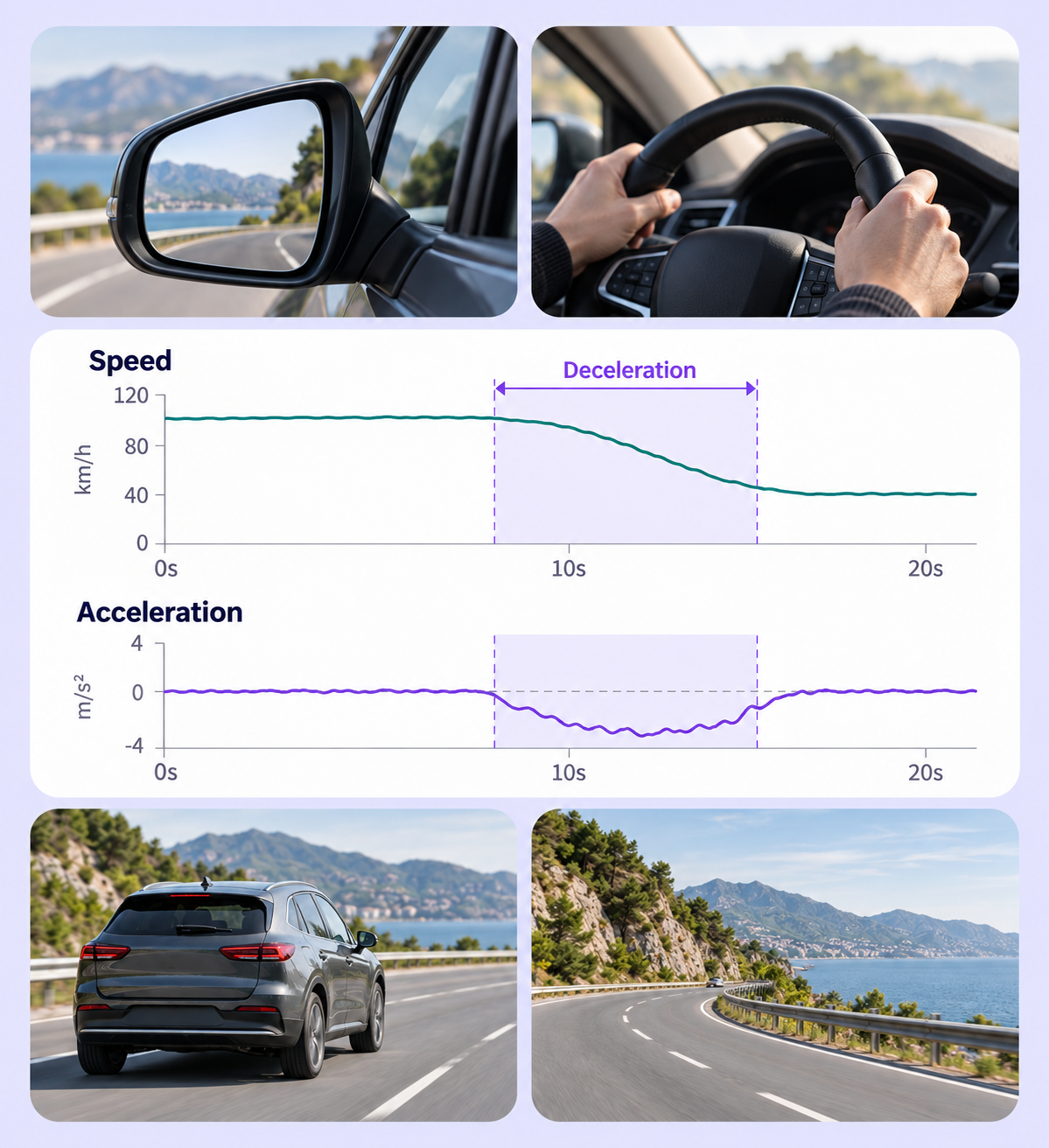
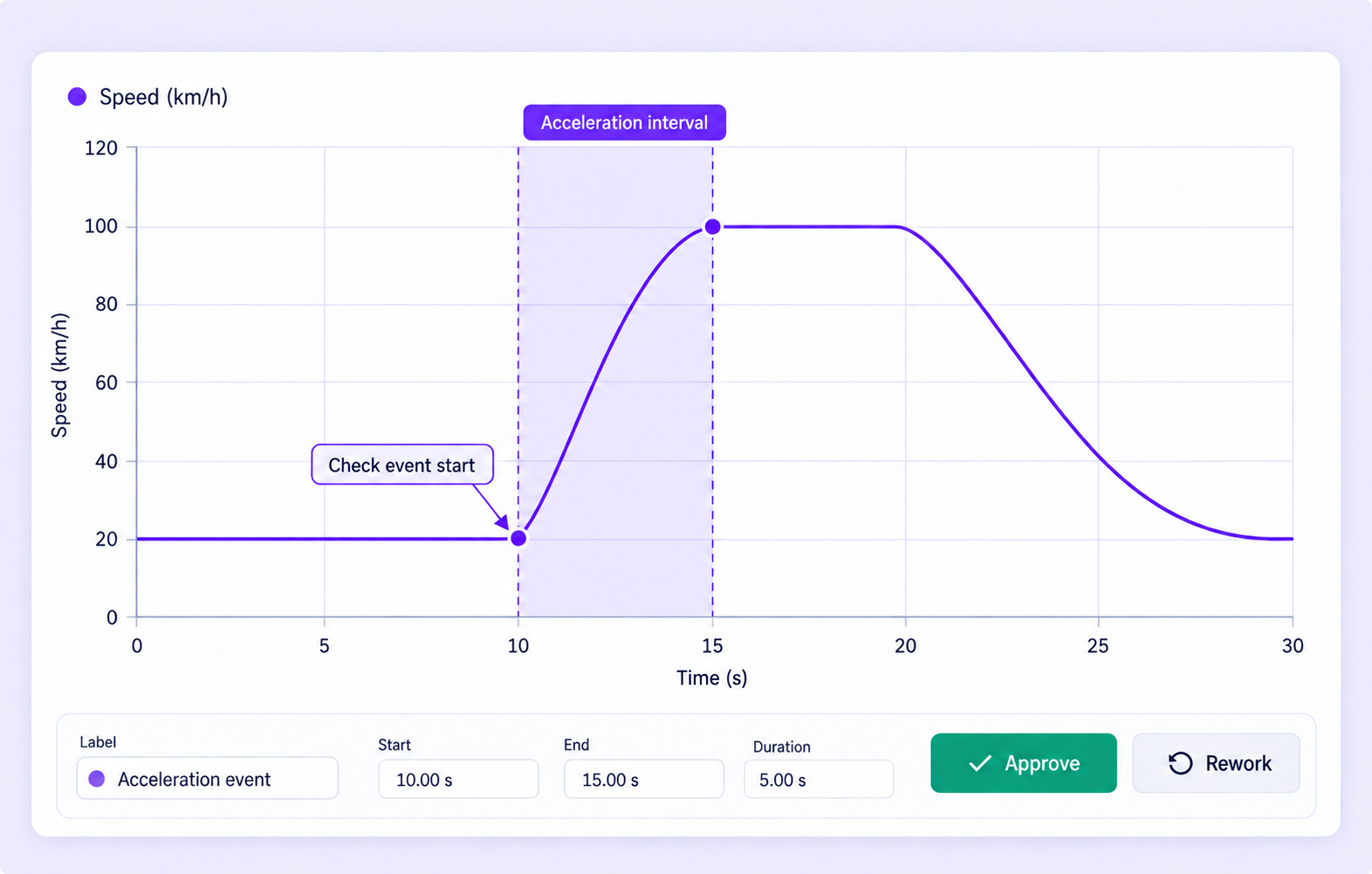
Label driving events and time-series signals with shared review workflows.
Automate curation, management, and versioning of telemetry datasets.
Reusable ontologies and governed quality control reduce labeling and review rework.
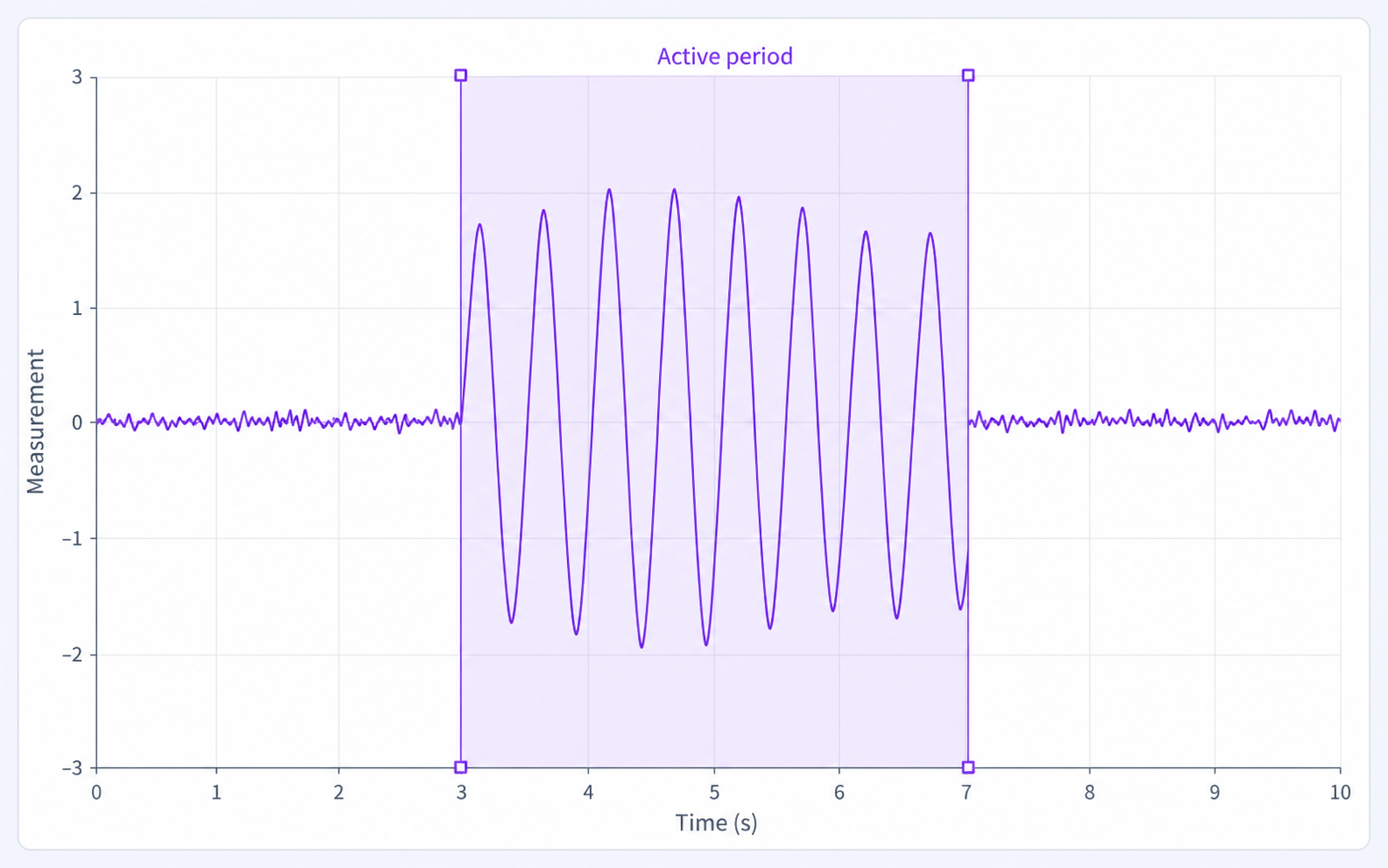
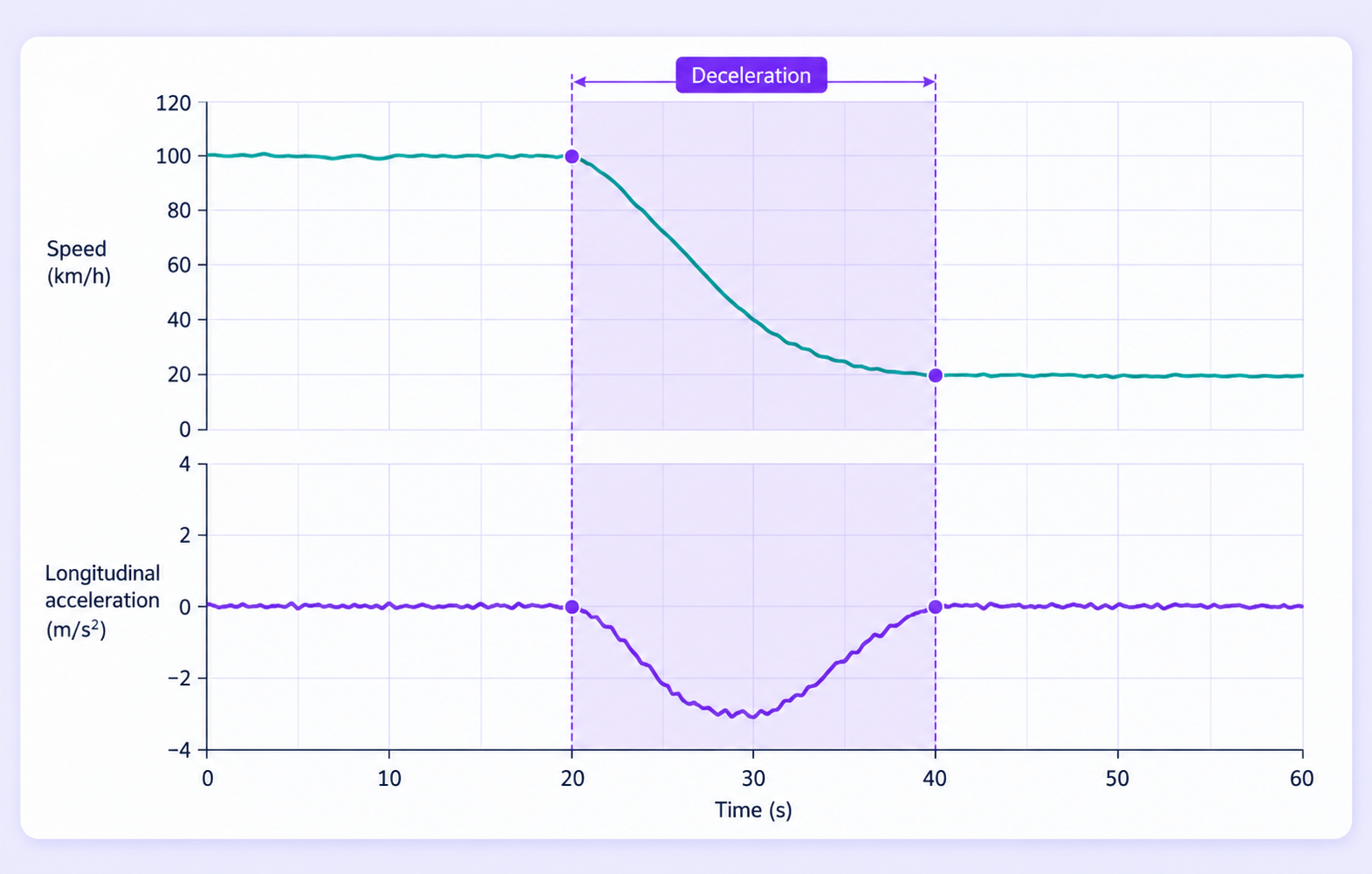
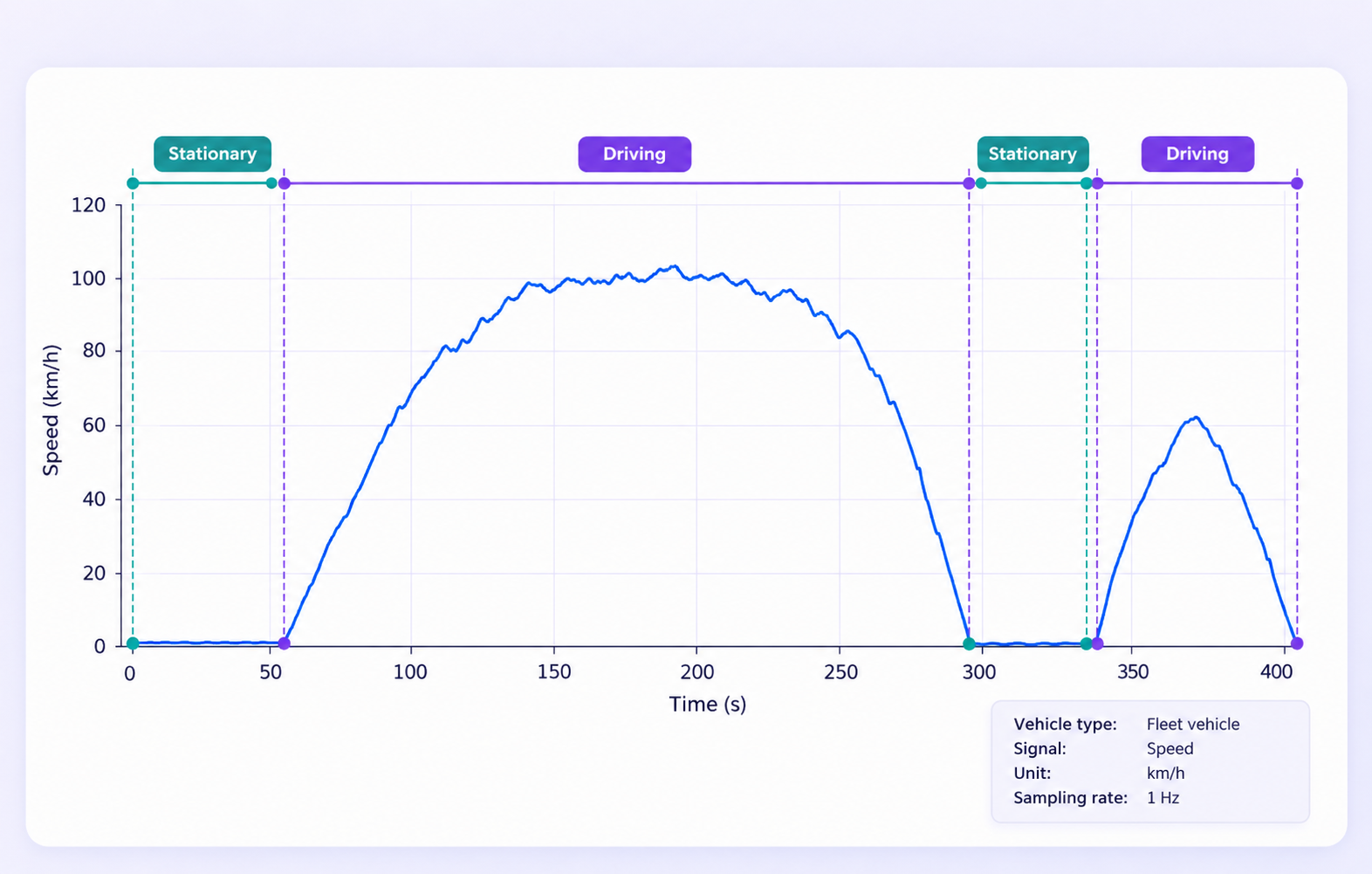
Define a meaningful driving interval with editable start and end boundaries. Apply the label to one channel or the entire recording when its context spans several measurements.
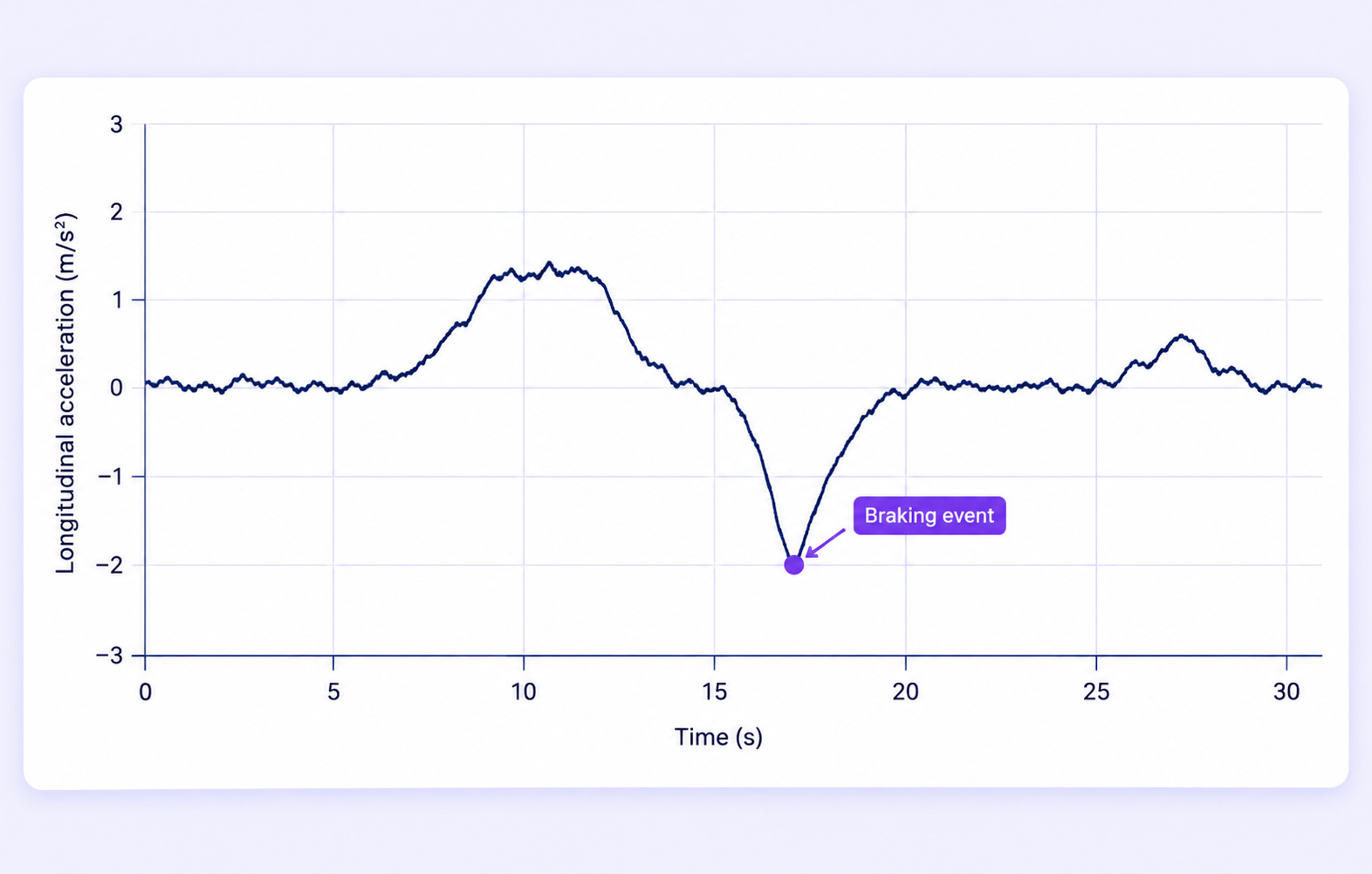
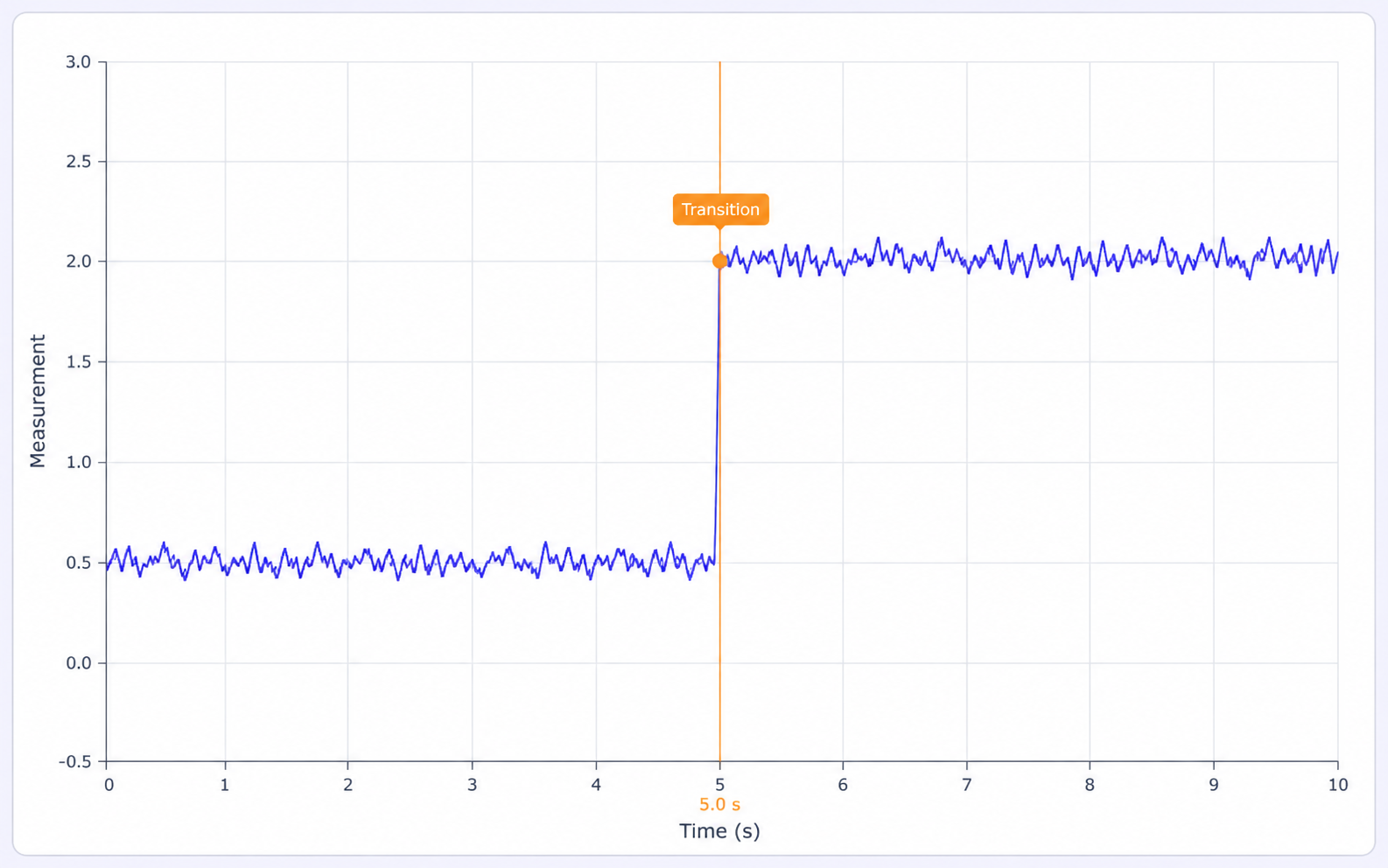
Mark one sample for a brief event or transition. Keep its original X-axis value and measurement context attached to the annotation.
It labels recorded vehicle measurements to create training and evaluation data for mobility AI. Unitlab supports ranges and point events on time-series charts, with structured properties and quality review.
Unitlab supports CSV time-series recordings with a numeric or supported timezone-aware timestamp X-axis and numeric channels. Examples include recorded speed, acceleration, temperature, and other vehicle measurements.
Yes. Use ranges to capture meaningful periods such as deceleration, stationary conditions, or another state defined in your ontology. Annotators set the start and end within the original signal context.
Yes. Point annotations mark individual samples and retain their X-axis value and channel context. Your team defines the event classes and annotation guidelines.
Yes. View selected channels together or inspect separate charts with a shared X-axis window. This makes related measurements available during annotation and review.
Use shared classes, structured properties, and recording-level context from an ontology. These definitions give teams a consistent set of labels and choices across projects.
Route items through annotation, review, and rework. Reviewers can inspect the chart and comments; consensus and approved benchmark checks support quality workflows where configured.
Yes. Dataset search, metadata, tags, and filters help select relevant assets. Dataset versions keep prepared data and reviewed releases traceable as the collection grows.
Sensor JSONL exports include labeled ranges and points, original X-axis values, channel context, and supported properties. Datetime axes use UTC epoch milliseconds and numeric axes retain their source unit.


We use cookies to improve your experience. See our Privacy Policy and Cookie Policy.