
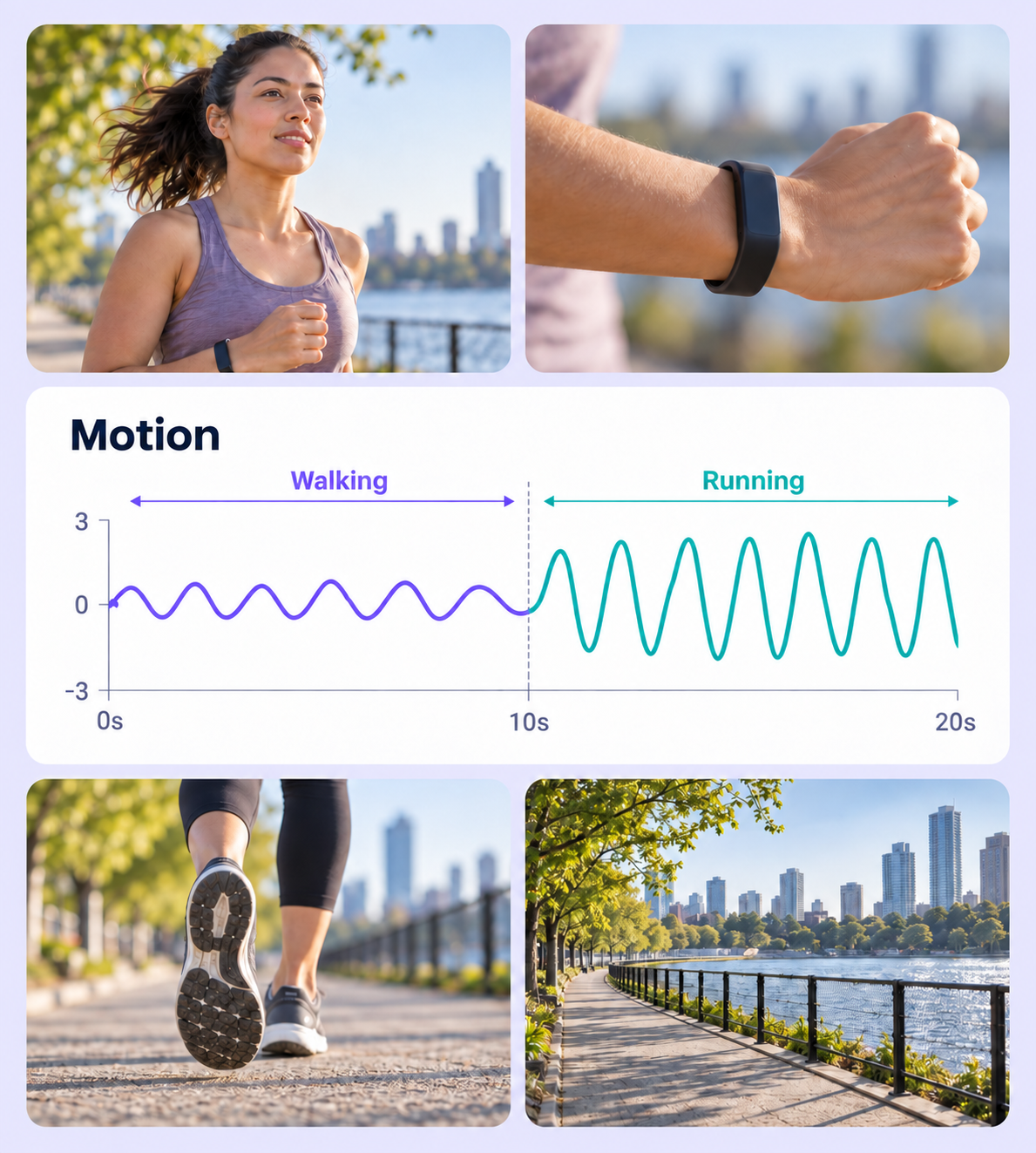
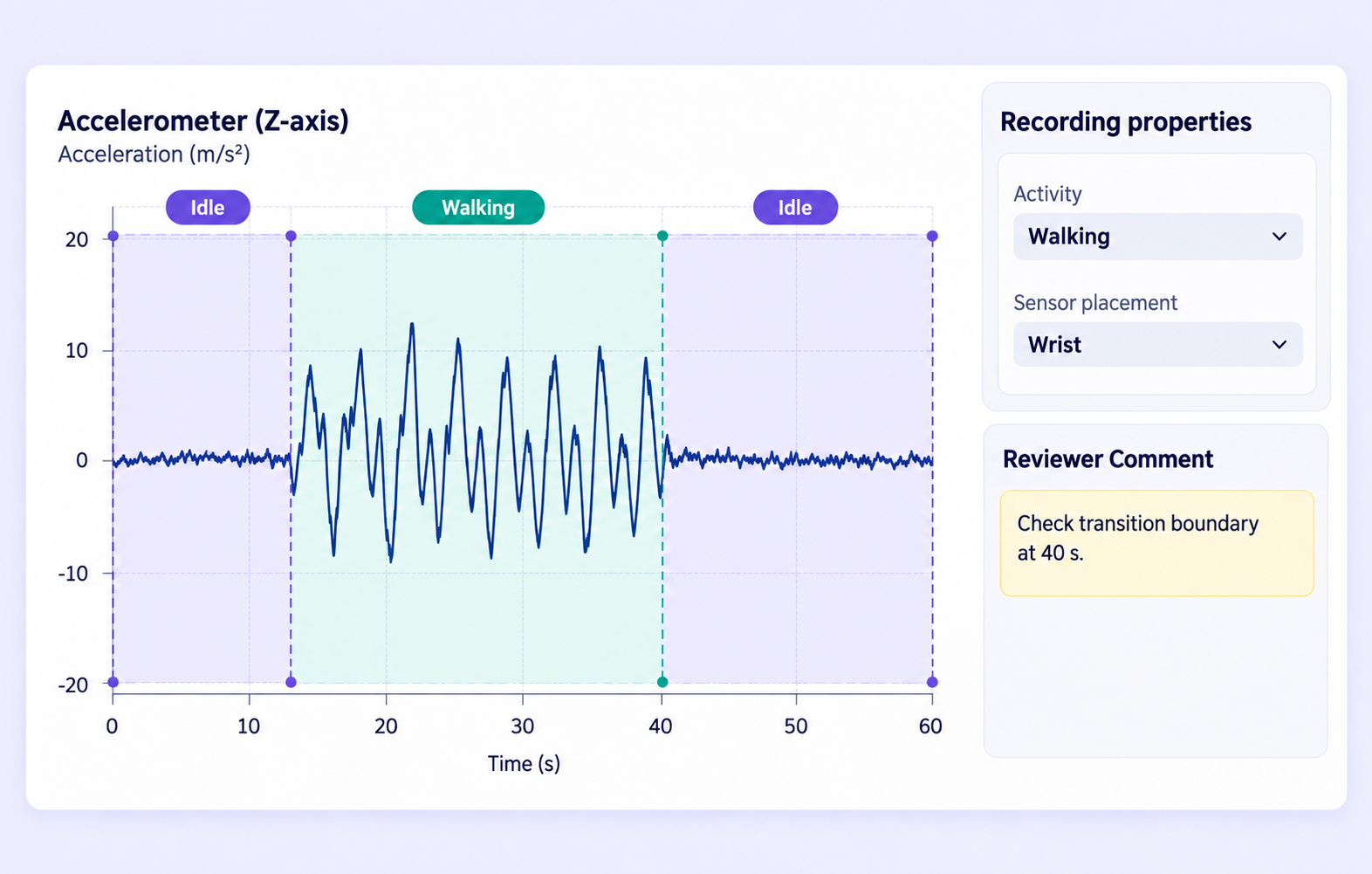
Label activity intervals and sensor events with shared timelines and review.
Automate curation, management, and versioning of wearable datasets.
Reusable ontologies and governed quality control reduce labeling and review rework.
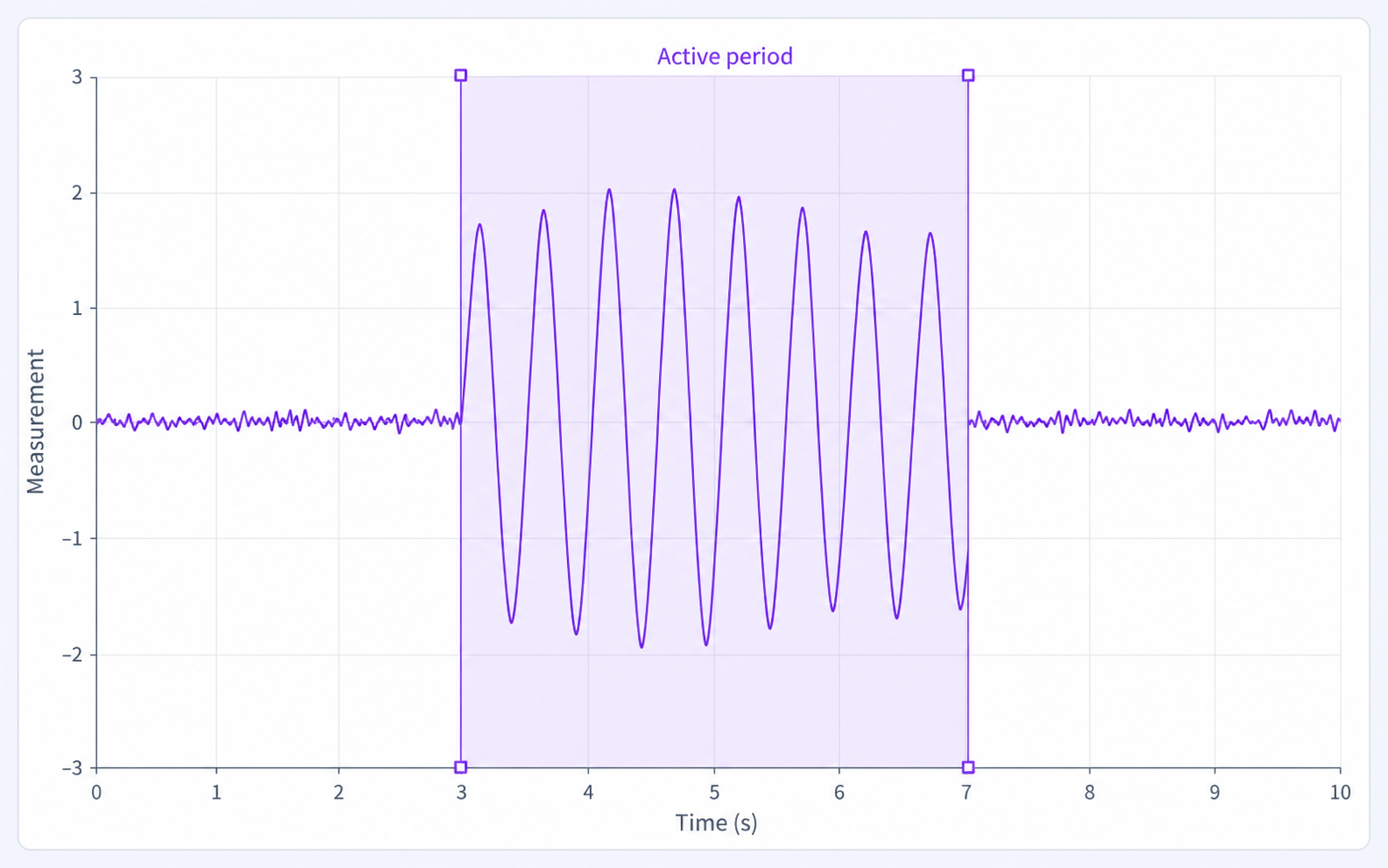
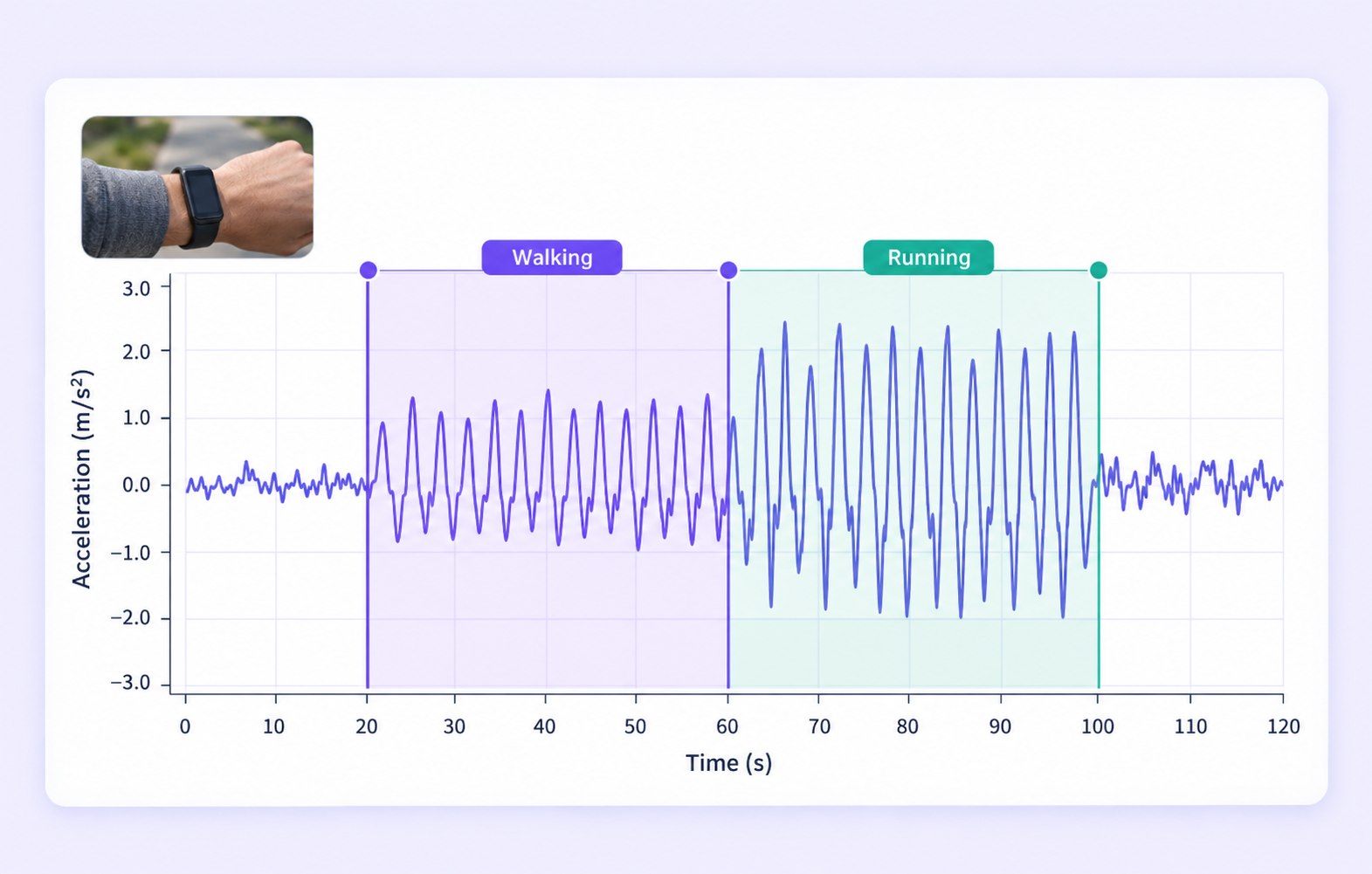
Select the start and end of a meaningful activity interval. Assign a class and structured properties while preserving the signal surrounding the selection.
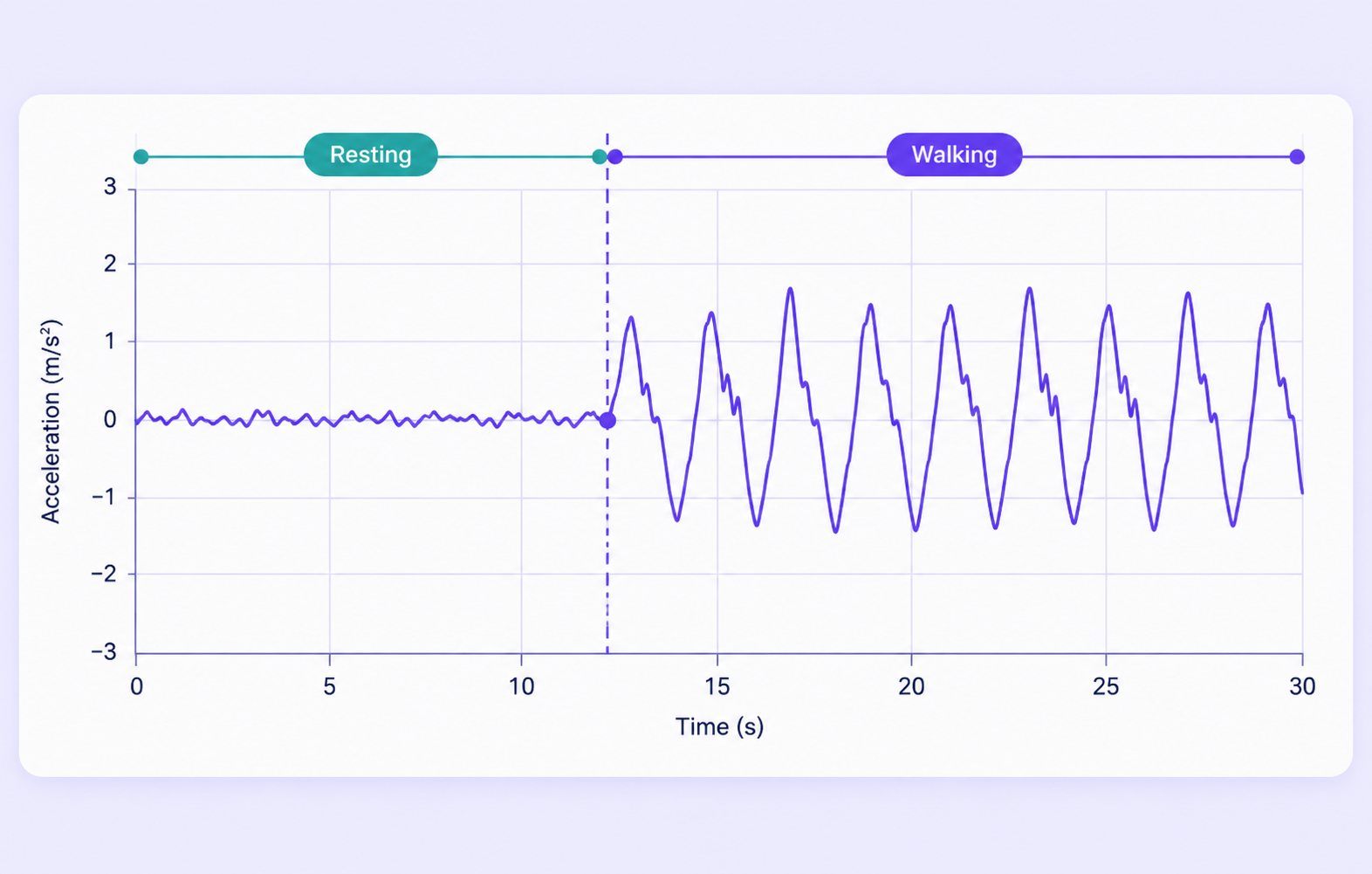
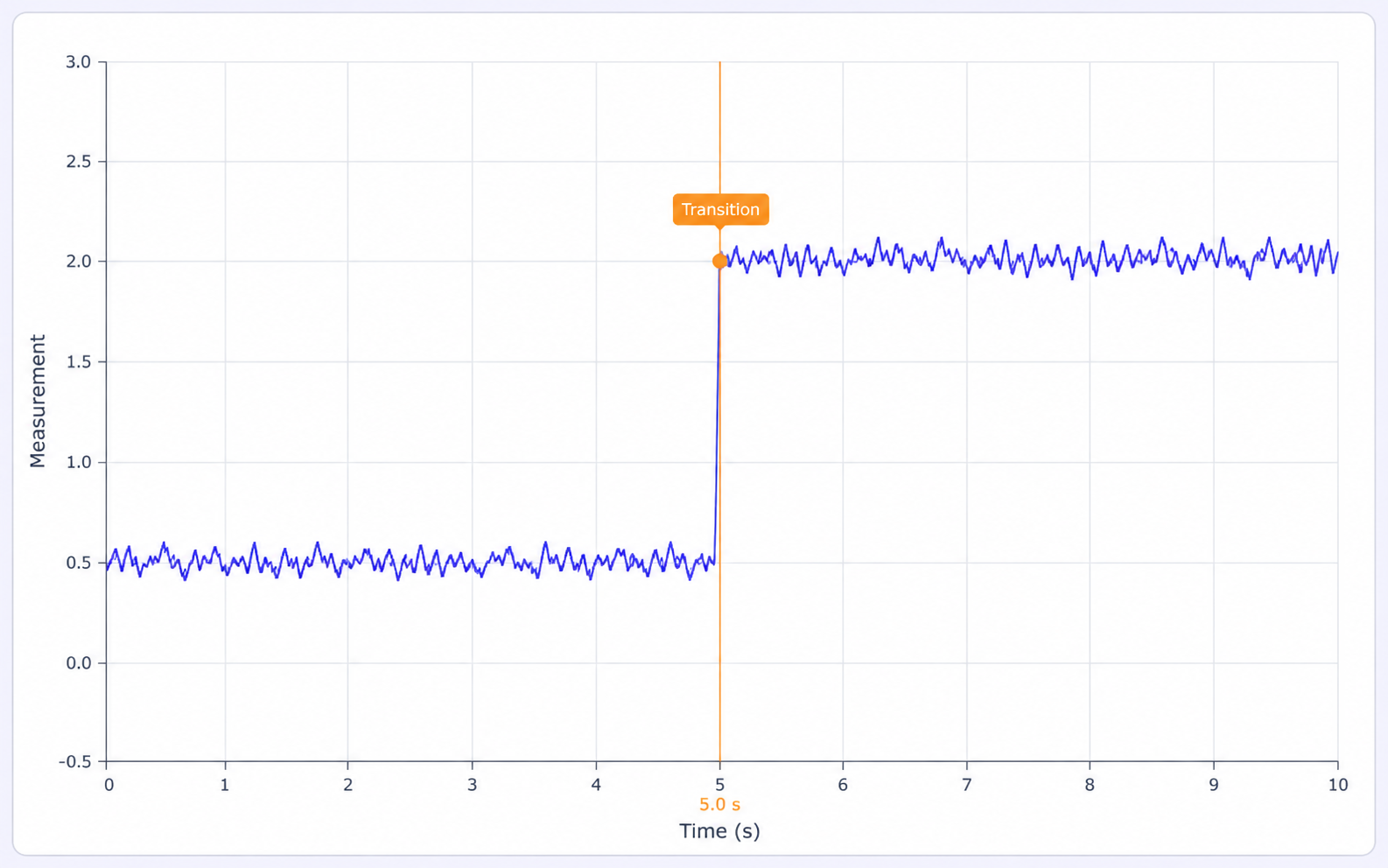
Mark a single sample for a transition or brief event. Retain its original X-axis value and channel context through review and export.
It adds activity and event labels to recorded wearable measurements for machine-learning datasets. Unitlab supports time-series ranges and points, shared ontologies, and quality review in a native chart workspace.
Use CSV recordings with a numeric or supported timezone-aware timestamp X-axis and numeric measurement channels. Accelerometer, gyroscope, and other recorded wearable channels can be represented in this format.
Yes. Range annotations can represent activity classes defined by your ontology and labeling guidelines. Annotators select the relevant interval while reviewing its surrounding signal context.
Yes. Point annotations mark individual samples, while ranges describe longer periods. Each annotation retains its X-axis value or boundaries and its channel context.
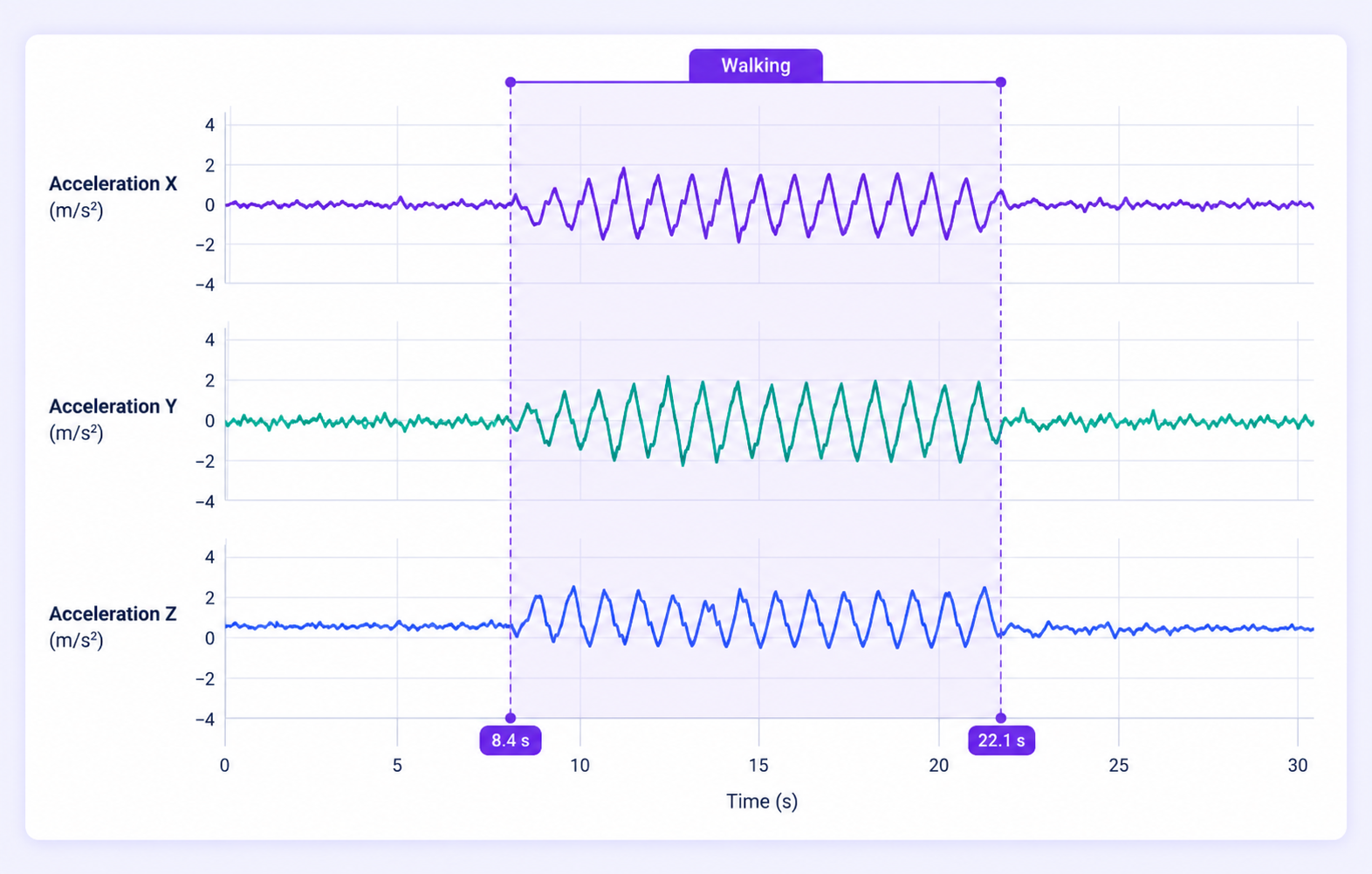
Inspect channels in separate charts with a shared X-axis window, or combine selected channels into one view. Labels can apply to an individual channel or the recording as a whole.
Yes. Define classes, structured properties, recording-level context, and relationships in an ontology. Required-property checks and consistent choices help teams apply the same annotation scheme.
Use annotation, review, and rework stages with chart-anchored comments. Consensus and approved benchmark checks support quality decisions where configured in the workflow.
Yes. Search, metadata, tags, and filters help create a focused asset selection. Dataset versions and reviewed releases preserve traceability as the project grows.
JSONL exports preserve activity ranges, point events, original X-axis values, channel context, and supported properties. The structured output can be used in your downstream model training and evaluation pipeline.


We use cookies to improve your experience. See our Privacy Policy and Cookie Policy.