



.webp)
.webp)







Private Deployment
Run on-premises or in your private cloud.

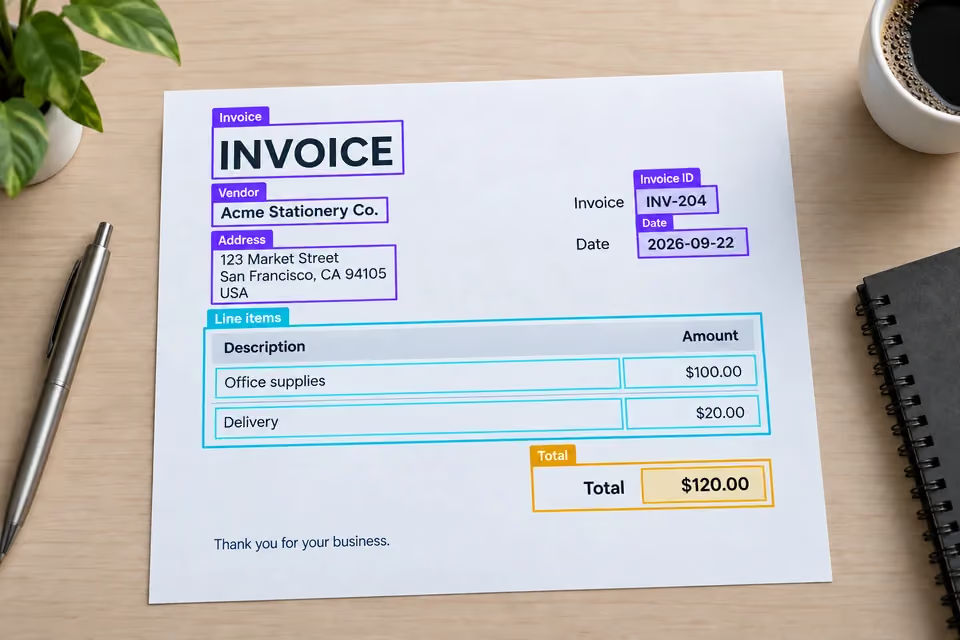
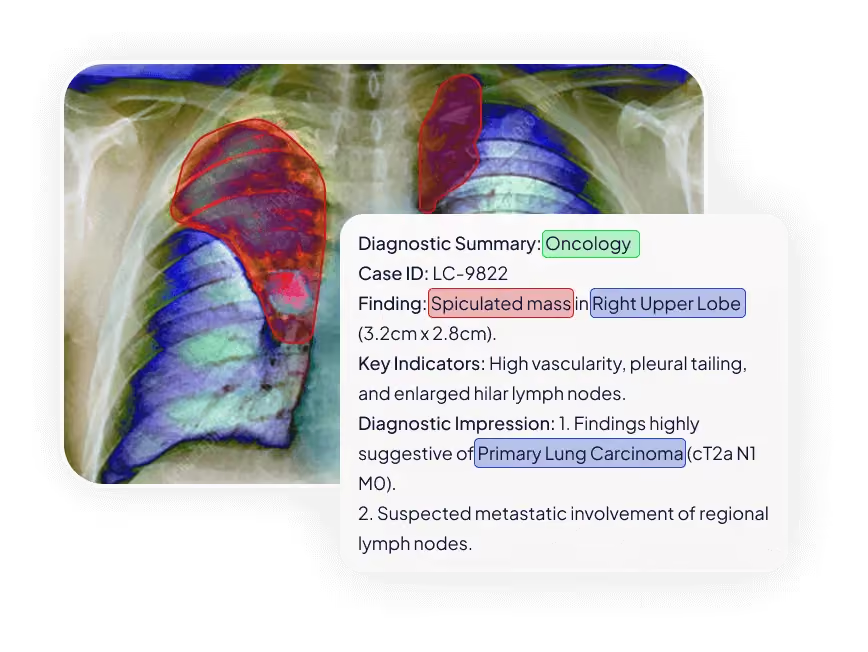
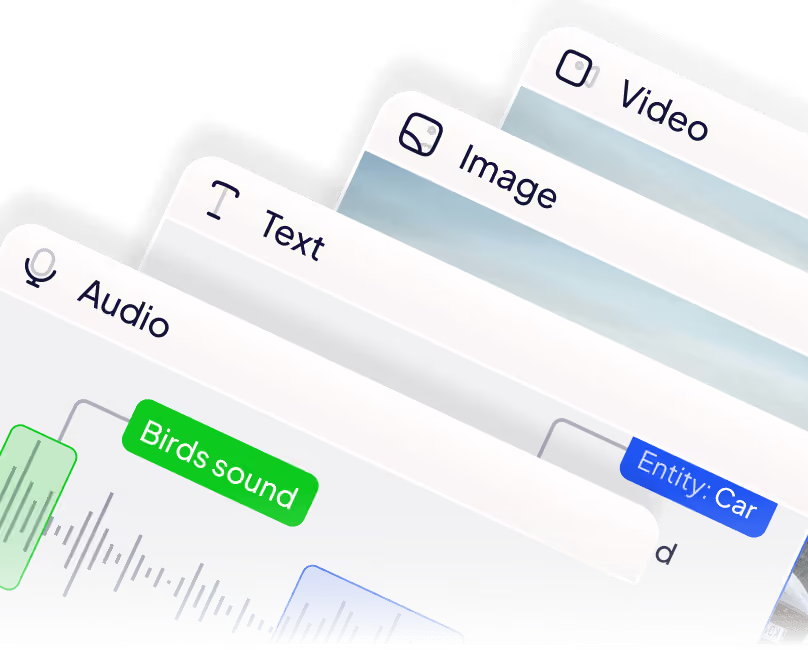
Curate, annotate, review, version, and manage image, video, audio, text, document, medical, pathology, and geospatial data in one governed workspace.













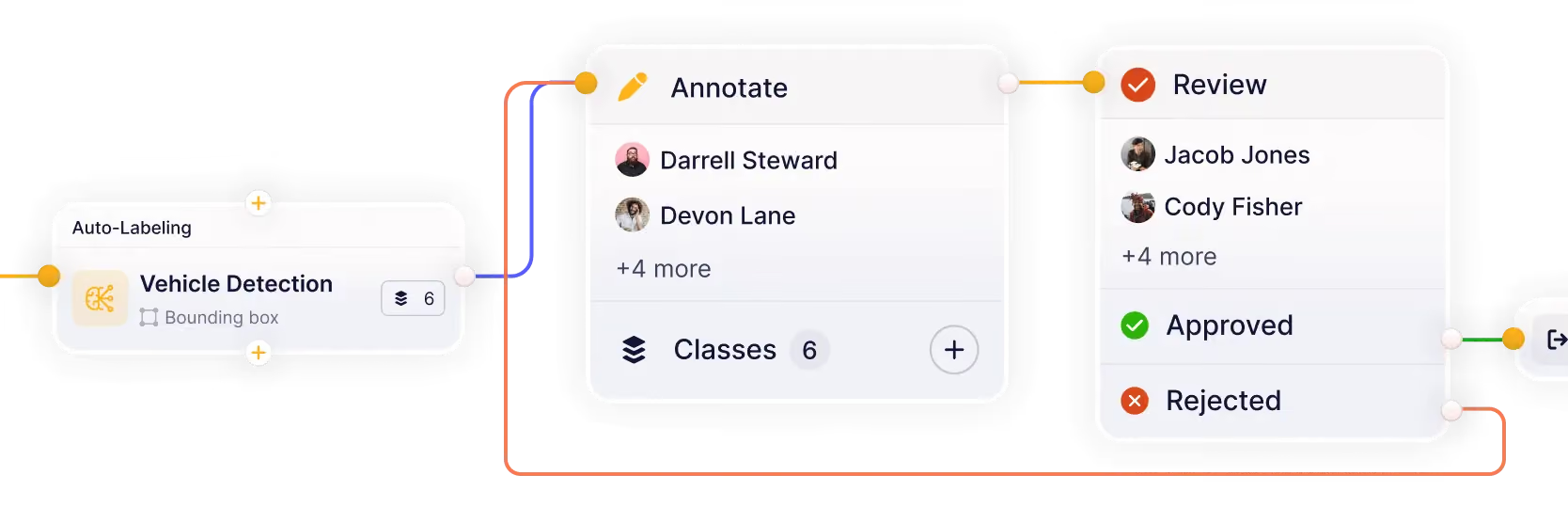
Built-in auto-labeling tools and automated workflows reduce manual annotation work.
Automate curation, dataset management, and versioning so engineers can focus on models.
Curated data, reusable ontologies, and quality control reduce annotation rework.
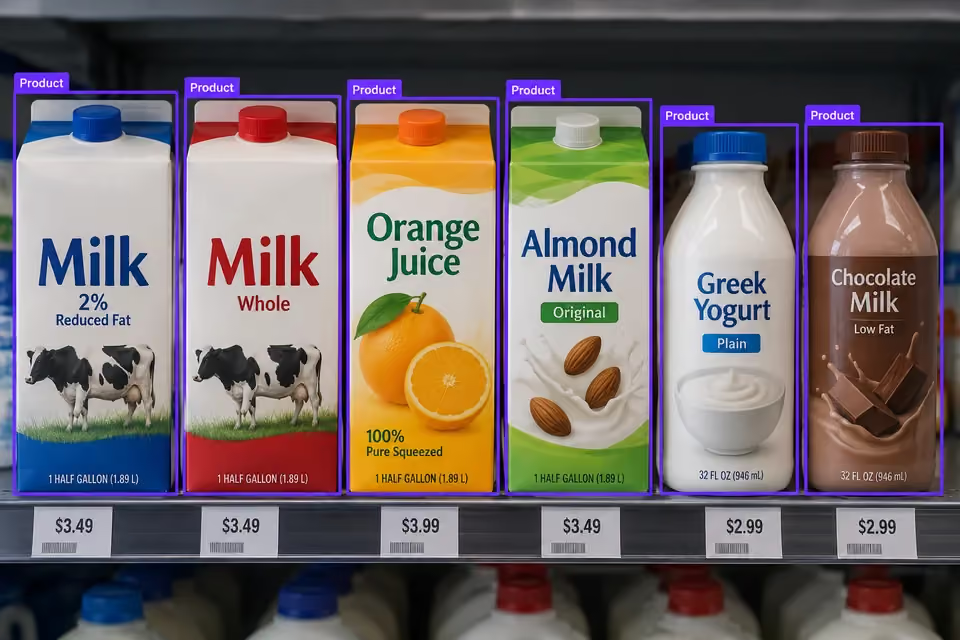
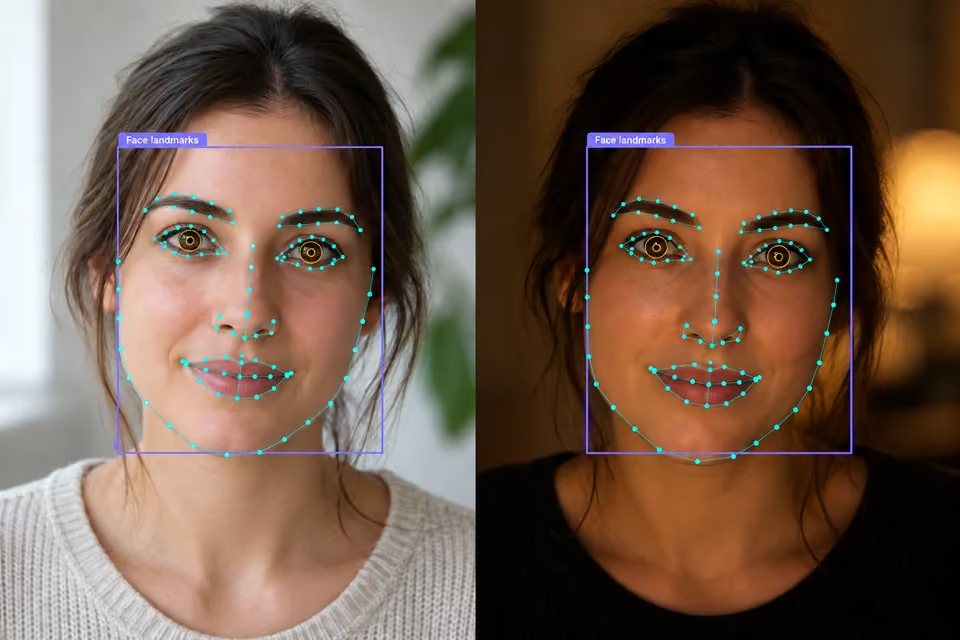
Build reliable multimodal training data with unified annotation, shared ontologies, and governed quality control.


.webp)
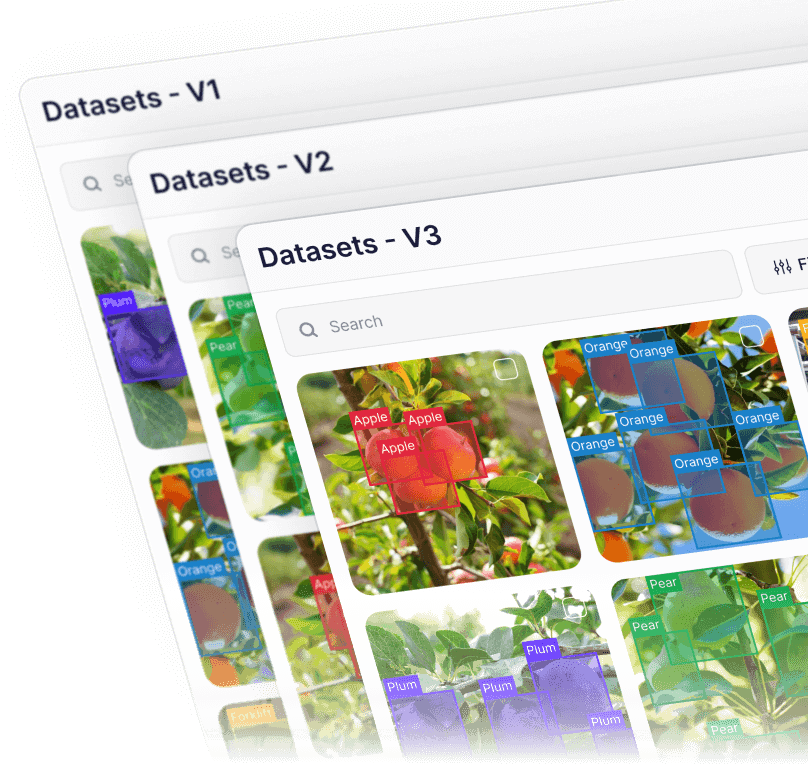
Curate, search, and version multimodal datasets with traceability across annotation and review workflows.
.webp)
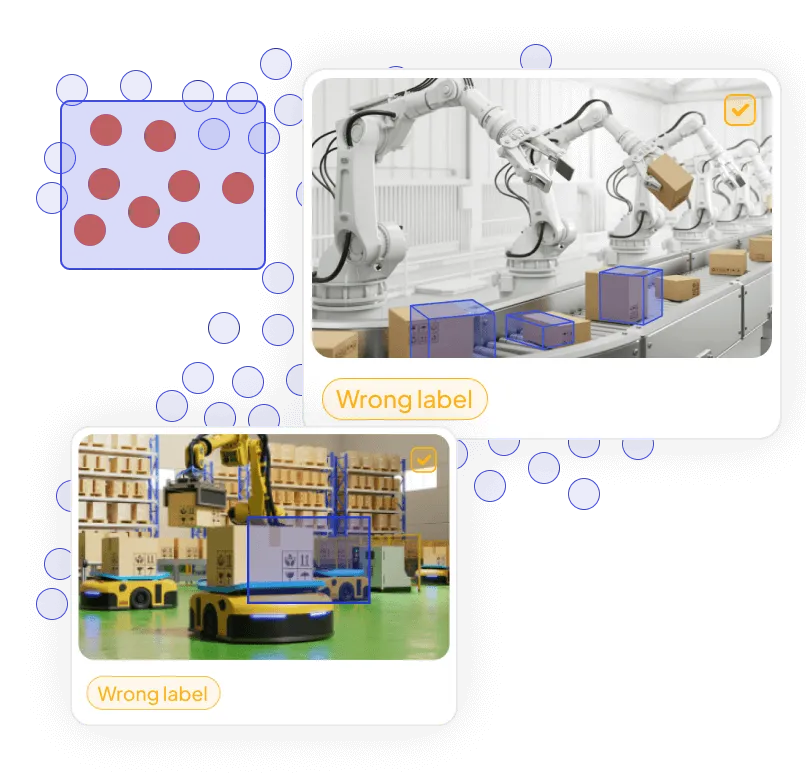
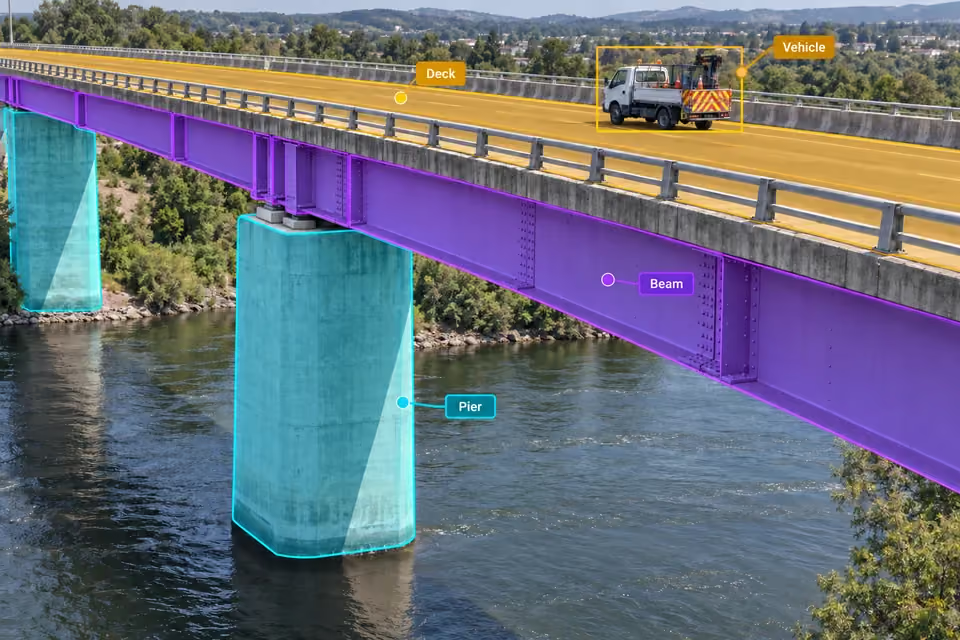
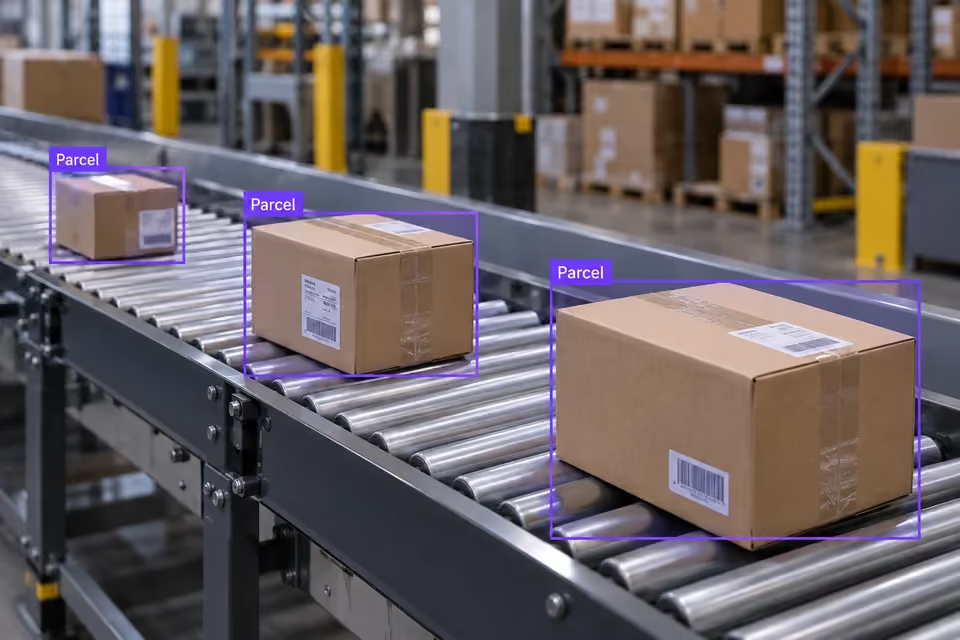
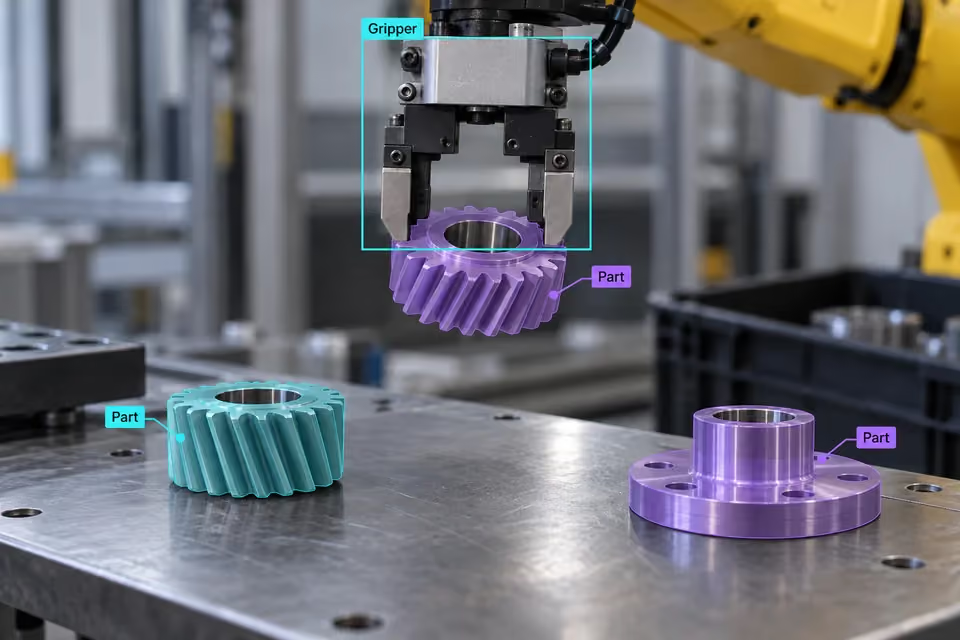
Build reliable multimodal training data for robotics, healthcare, remote sensing, and more.
Unitlab AI is an enterprise multimodal data platform for production AI. Teams use one governed workspace to curate, annotate, review, version, and manage training data across image, video, audio, text, documents, medical imaging, pathology, and geospatial data.
Unitlab supports image, video, audio, text, PDF and document data, HTML webpages, DICOM and volumetric medical imaging, whole-slide pathology, geospatial imagery, sensor and time-series data, and tabular data. Connected data can also be organized and reviewed through multimodal annotation workflows.
Teams use data curation to discover and prepare relevant samples, route selected items into annotation and quality assurance, then use dataset management to visually inspect, filter, and version annotated data for training. Ontologies, properties, lineage, and access controls remain consistent across the workflow.
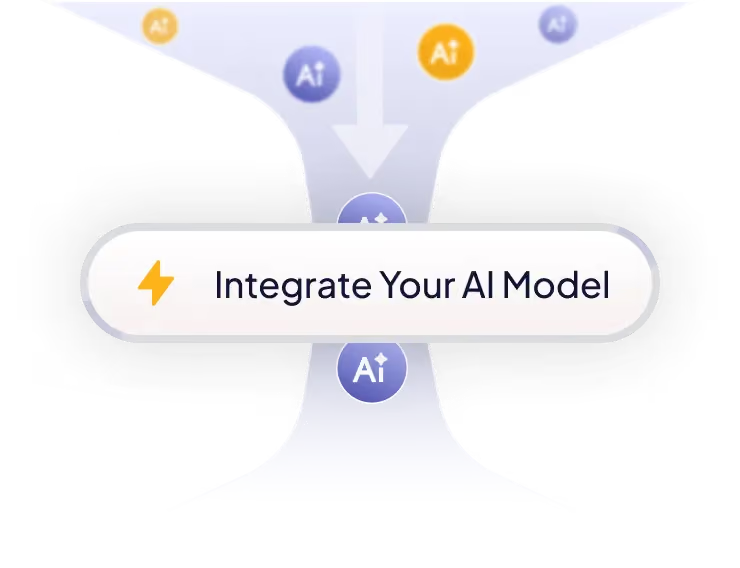
Unitlab supports AI-assisted pre-labeling, segmentation, object tracking, and repetitive labeling. Teams can also bring their own models, combine multiple model stages with human review, and edit or validate every prediction before approval.
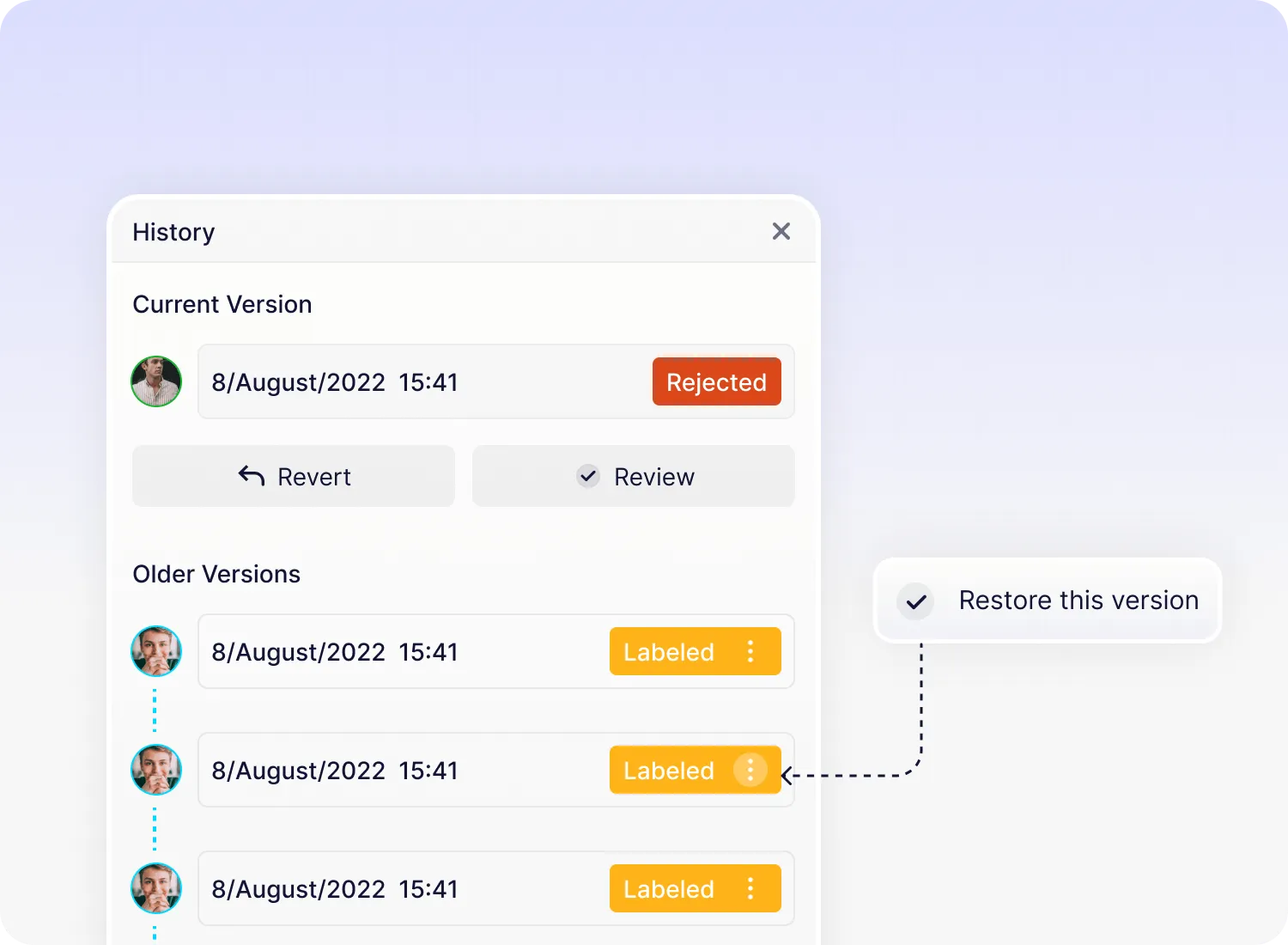
Unitlab's annotation quality assurance workflows connect Consensus, Quality Gate, and expert Review stages. Consensus compares independent annotations against a configured agreement requirement. Quality Gate checks submissions against approved answer keys hidden from annotators, with separate Pass, Fail, and Not evaluated routes. Reviewers resolve disagreements, request rework, and approve corrected results. Role-based assignments, validation rules, and complete annotation history keep quality decisions traceable through dataset release.
Yes. Unitlab is built for large multimodal datasets and demanding formats, including gigapixel images across geospatial and whole-slide pathology workflows, long video and audio, volumetric DICOM studies, and multi-page documents. Dataset versions, queues, and workflows keep long-running projects organized.
Yes. Unitlab supports hosted and on-premises deployment options. On-premises deployments keep data within your controlled infrastructure, while hosted deployments use encrypted, isolated storage and role-based access controls. Contact Unitlab to review the deployment model that fits your security requirements.
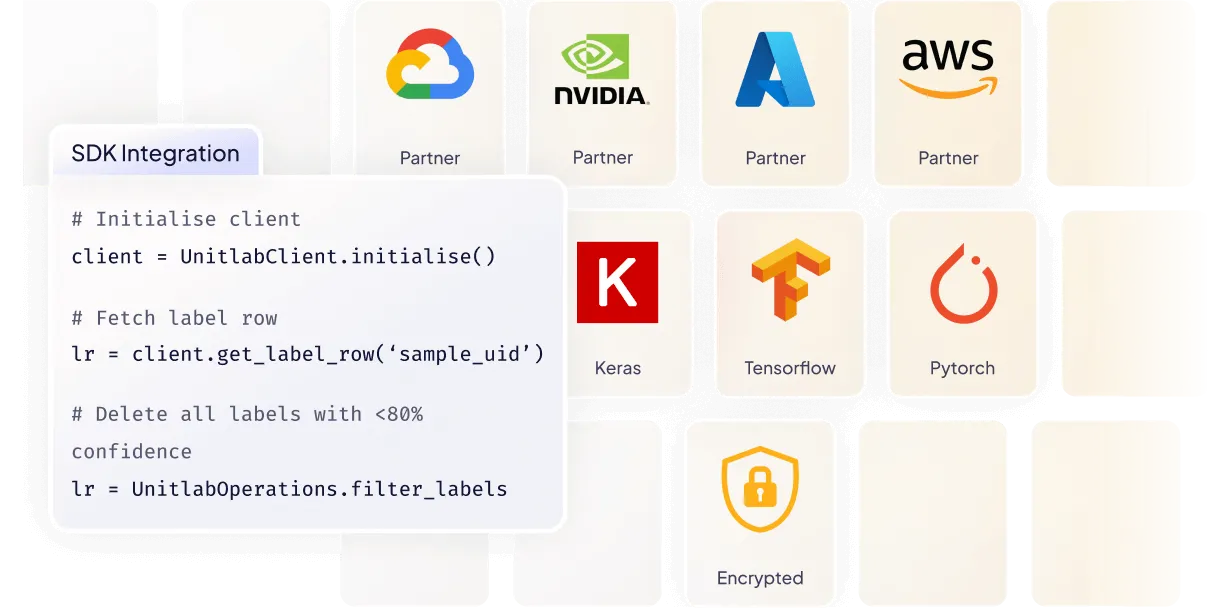
Yes. Teams can connect data, cloud storage, models, and workflows through the Unitlab API, Python SDK, and CLI. Unitlab also integrates with common cloud and machine learning infrastructure so existing pipelines can remain in place.
Yes. You can start with Unitlab AI for free without a credit card. Paid plans are available for larger teams and datasets, advanced collaboration, security, storage, deployment, and workflow requirements.
See how teams use Unitlab to annotate data, collaborate, and scale AI workflows.


Secure multimodal data with flexible deployment, governed access, and traceable workflows.
Talk to our team →Control access, deployment, and audit history in one governed workspace.



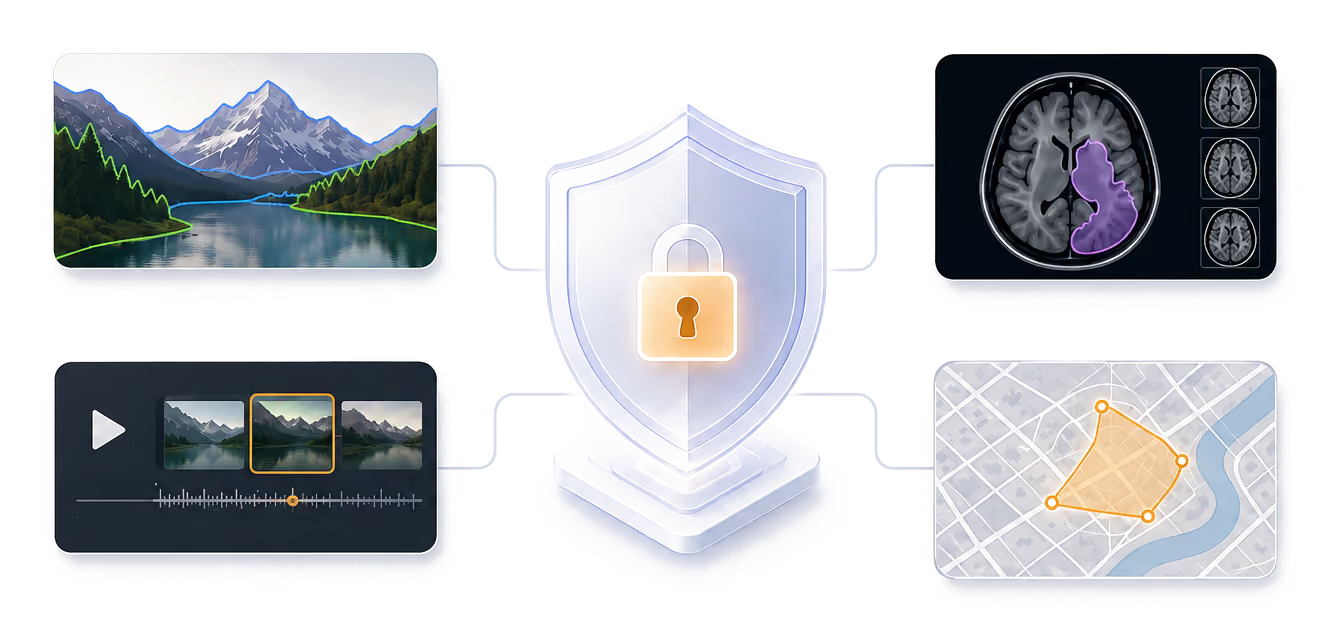
Run on-premises or in your private cloud.
Protect data at rest and in transit.
Connect securely with your identity provider.
Control permissions across teams and roles.
Track user, review, and dataset activity.




We use cookies to improve your experience. See our Privacy Policy and Cookie Policy.
