

Classify intents and text with reusable ontologies and model-assisted workflows.
Automate curation, management, and versioning of text datasets.
Reusable ontologies and governed quality control reduce labeling and review rework.
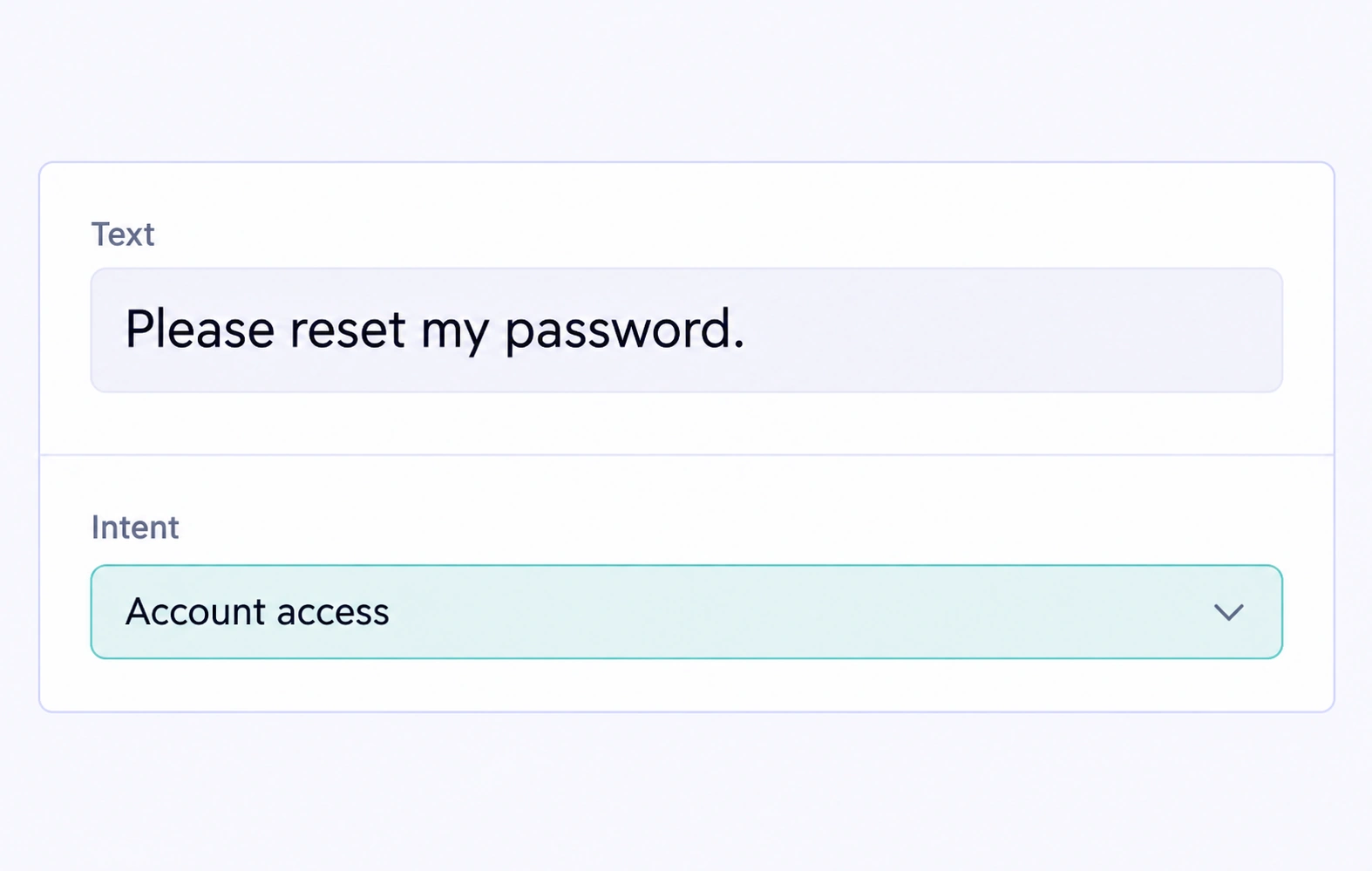
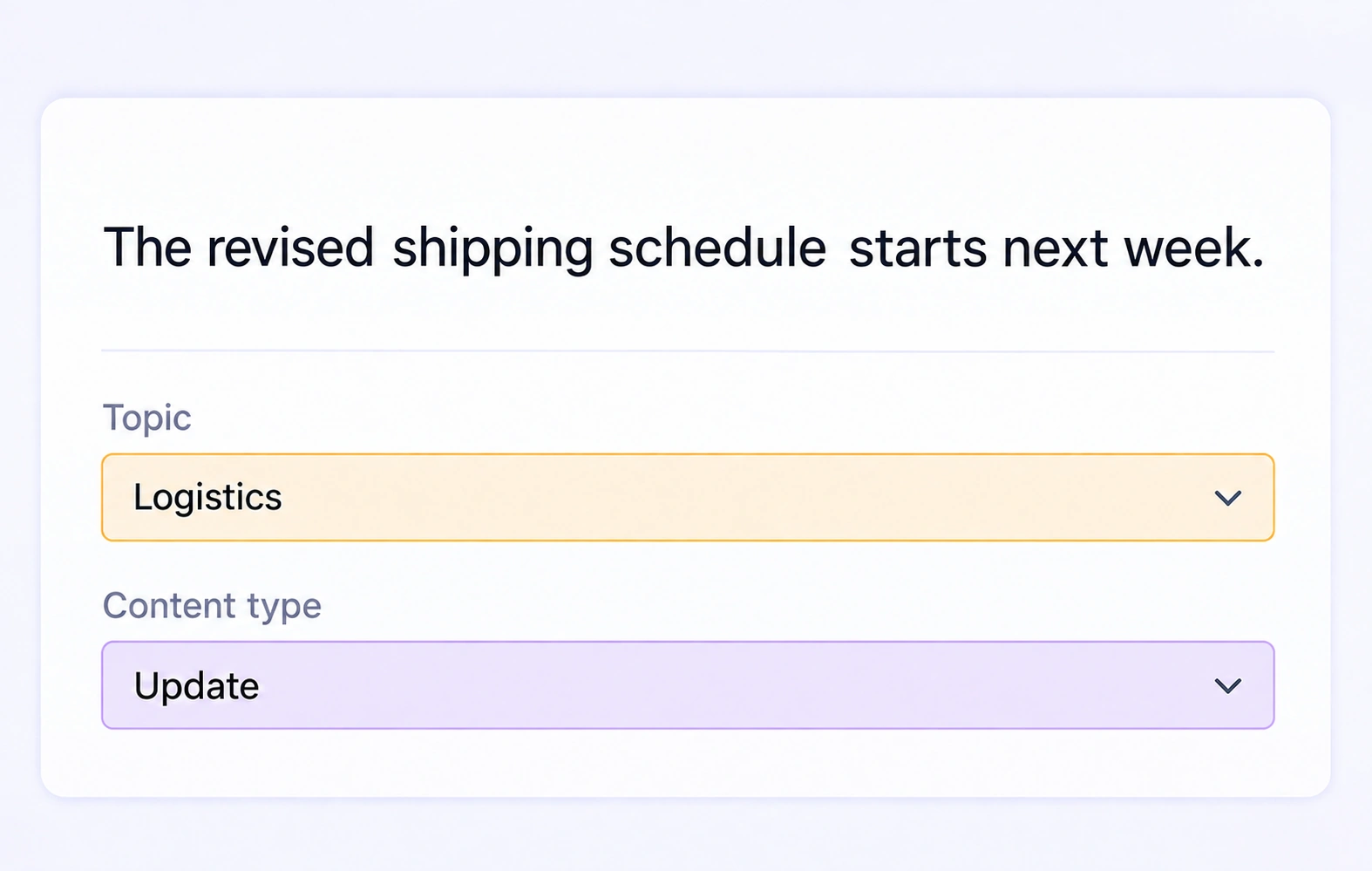
Use structured item properties to assign the intent, topic, or category of the text being annotated.
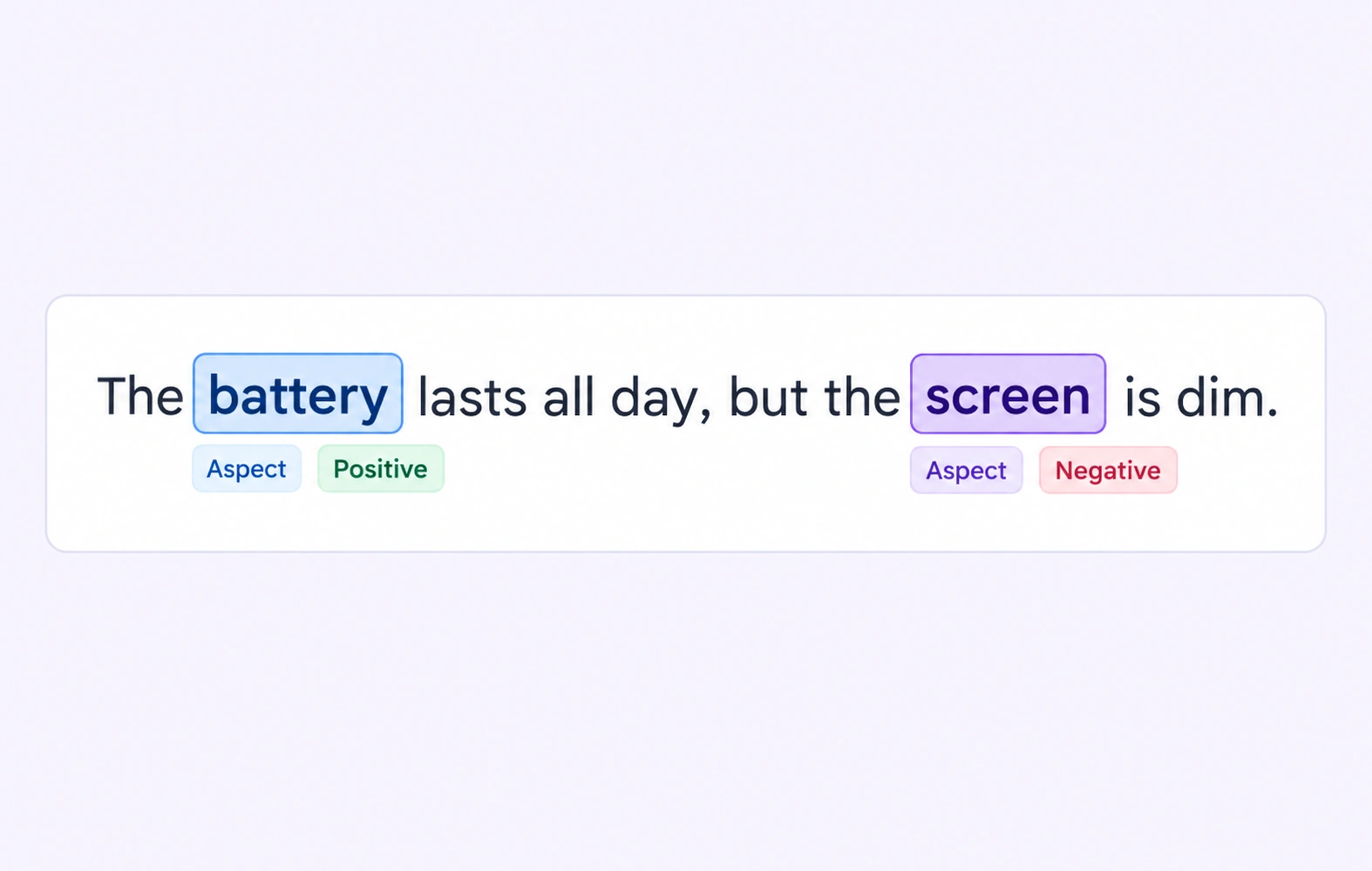
Label the words and entities that provide additional extraction context alongside the item classification.
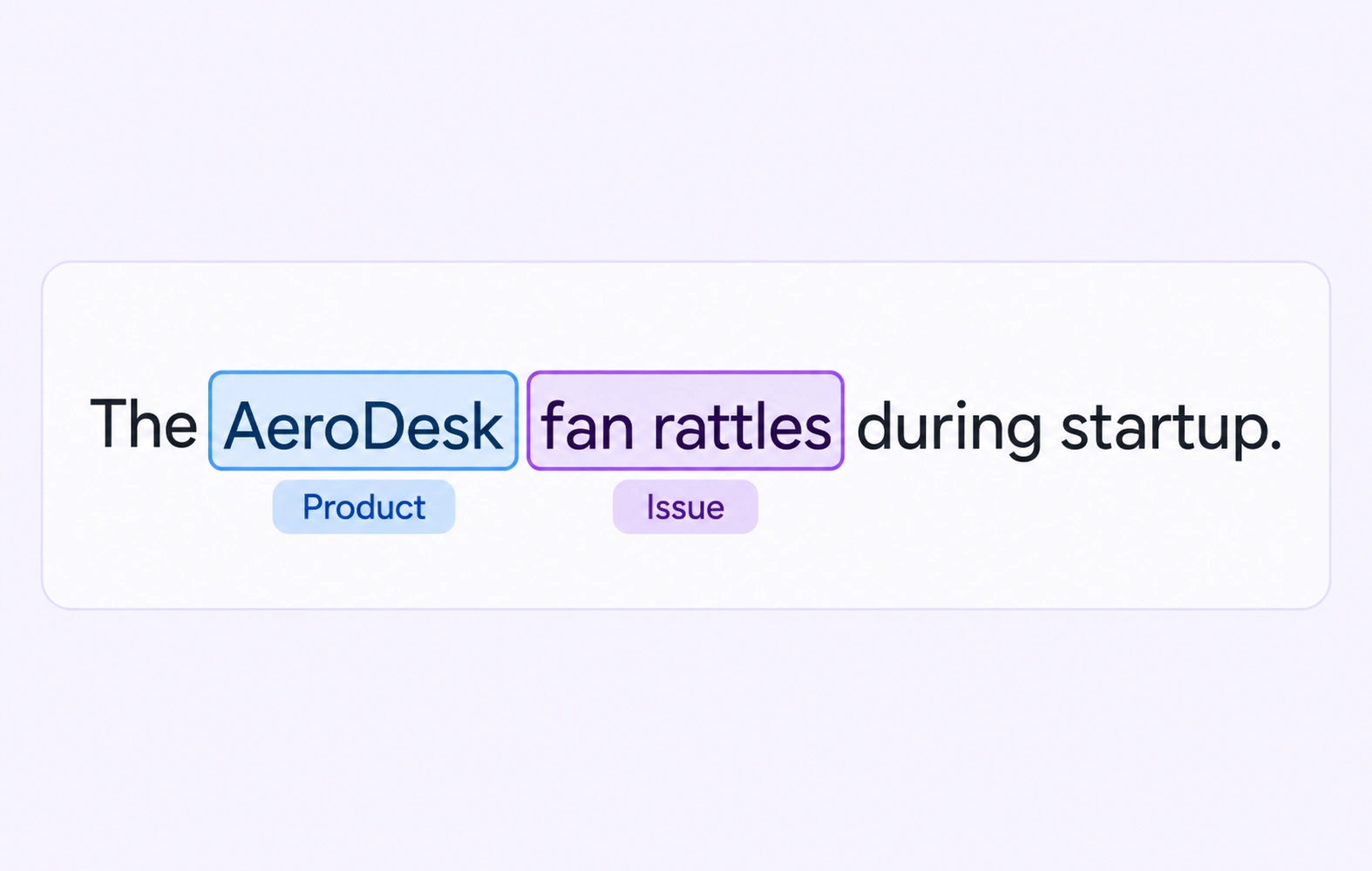
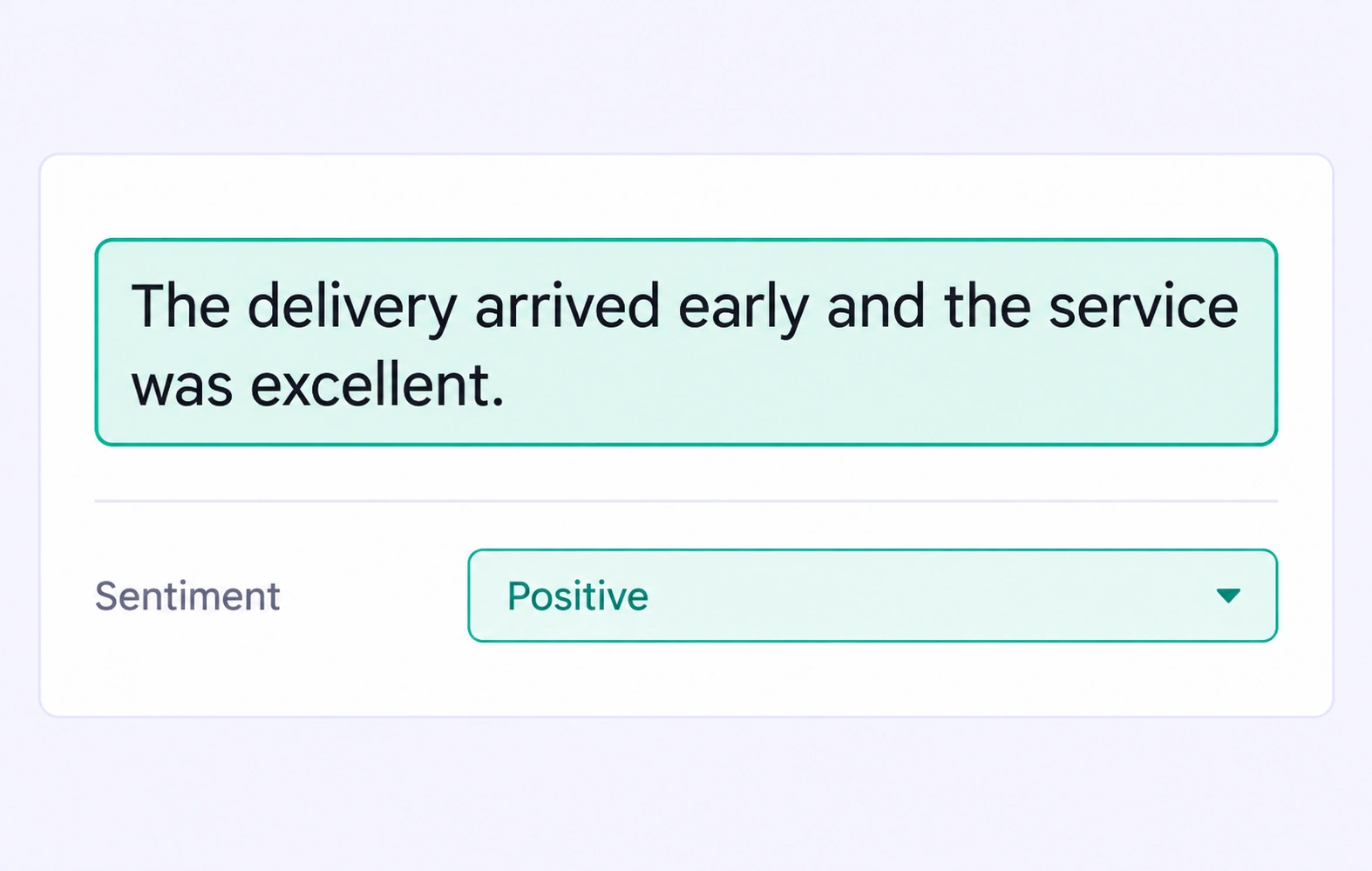
Text classification assigns defined categories to language examples. Depending on the task, those categories can describe intent, topic, sentiment, or another business concept.
Yes. Define your own categories and examples, then use the same ontology choices across the annotation team.
Yes. The ontology can include separate properties and multi-select choices where your guidelines allow multiple labels.
Define an uncertainty or other category when appropriate, attach comments to unclear cases, and send them to review for a consistent decision.
Yes. Use separate properties so the request a person makes and the sentiment they express remain distinct dimensions of the training data.
This workflow builds the labeled examples used to train or evaluate your own routing and classification models. Your team defines and reviews the labels.
Use plain-text files for native language annotation. Define entity classes, relationships, and item properties around the text and task your team is labeling.
Route annotated text through review, resolve comments and corrections in context, and use configured consensus or approved benchmarks to check consistency before releasing a dataset.
Yes. Text supports JSONL and Unitlab Unified Export Format. Choose the export that preserves the entities, relations, and properties needed by your training pipeline.


We use cookies to improve your experience. See our Privacy Policy and Cookie Policy.