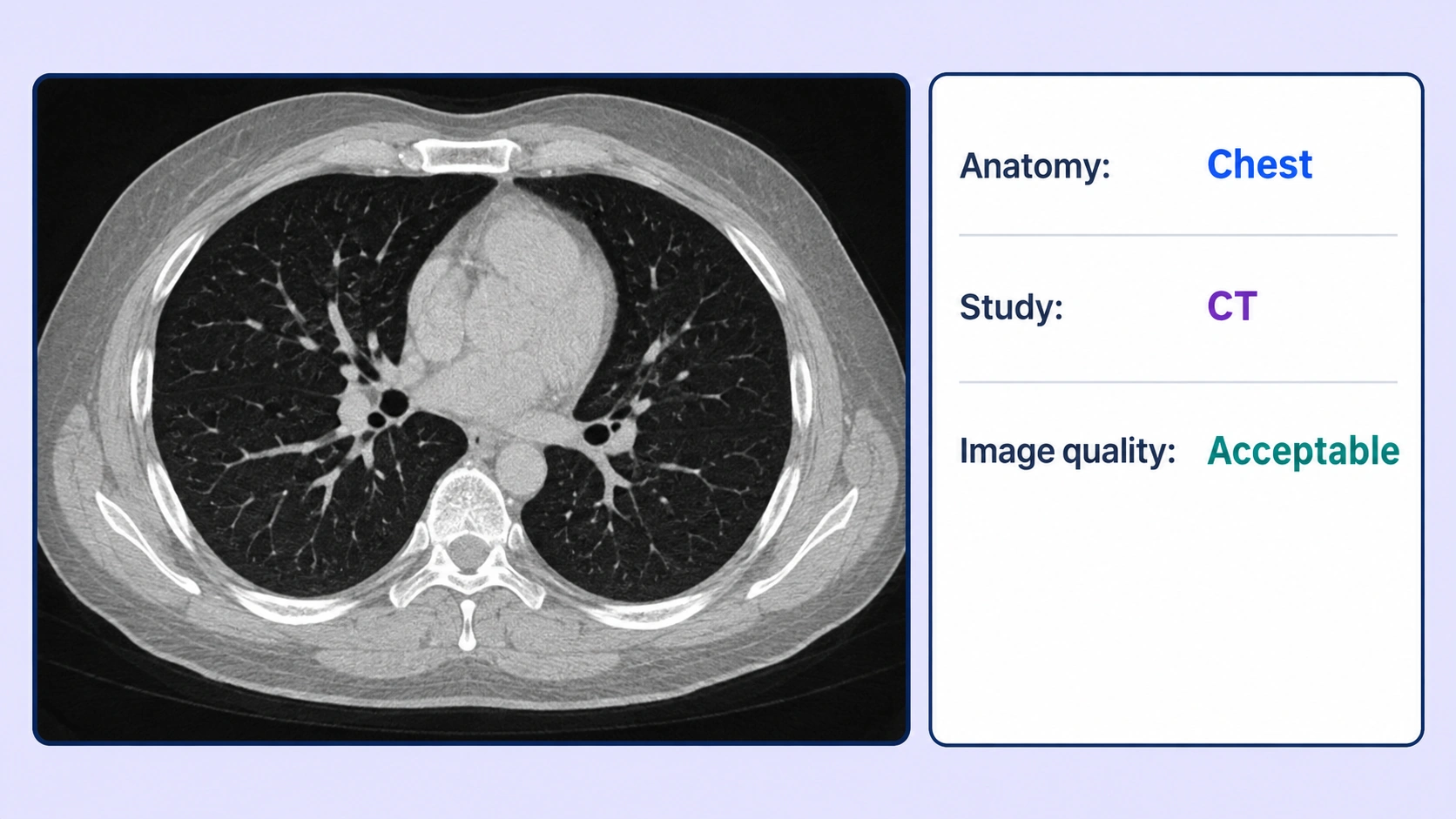
Medical Annotation Platform

Medical Annotation Platform for AI Teams

Annotate DICOM imaging, pathology slides, and other medical data in one collaborative platform.

Medical annotation features

Everything You Need for Complex Medical Annotation

Annotate DICOM volumes, pathology slides, and medical sequences, refine AI-assisted masks, and capture clinical context in one governed workspace.

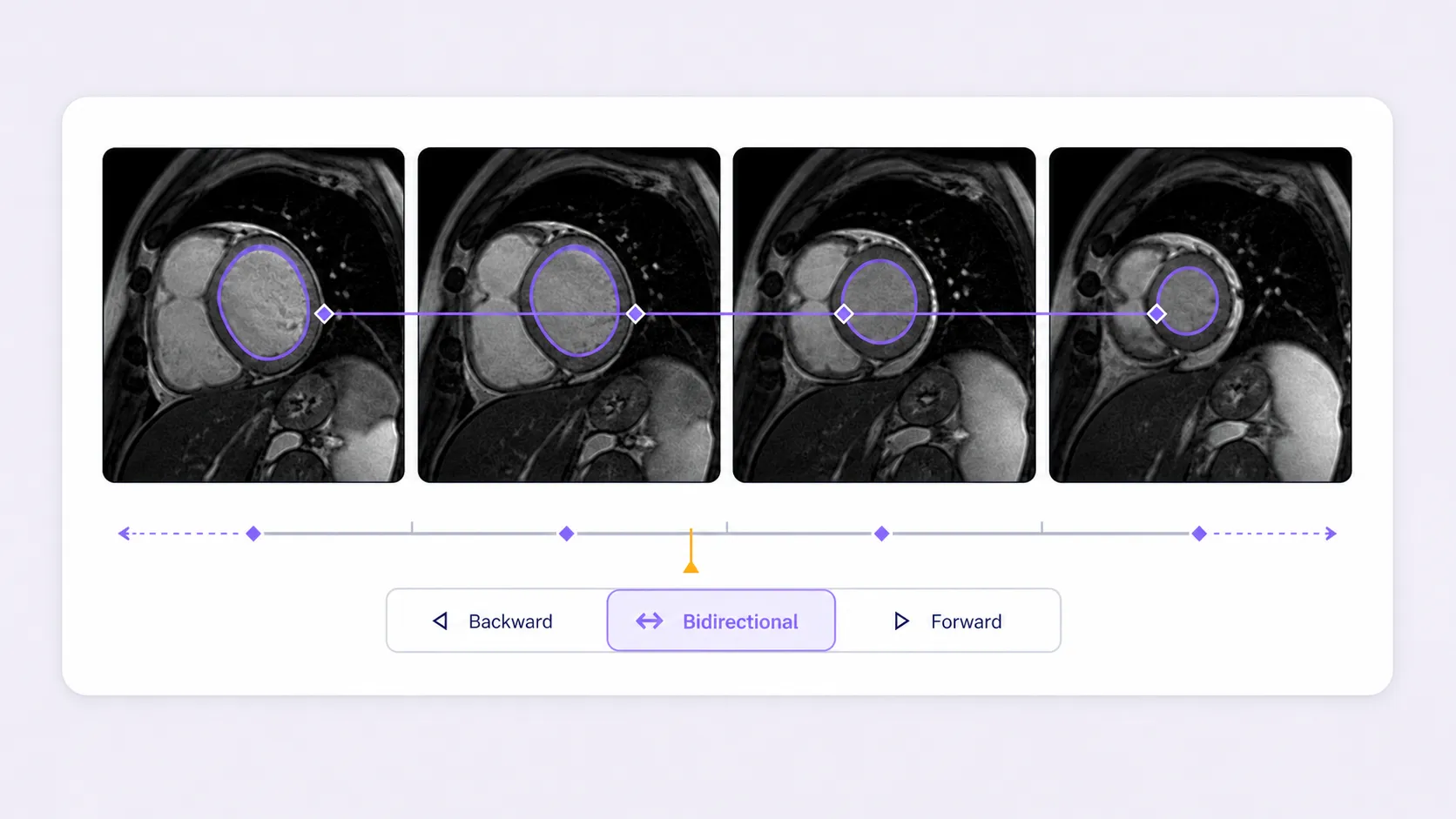
Four cardiac MRI frames with a lesion contour tracked bidirectionally across the sequence
01 · Automation

Full Auto-Tracking

Track lesions, organs, or regions through complete medical sequences—or only forward or backward—then review generated tracks and correct keyframes that need expert judgment.

Bidirectional trackingForward trackingBackward tracking
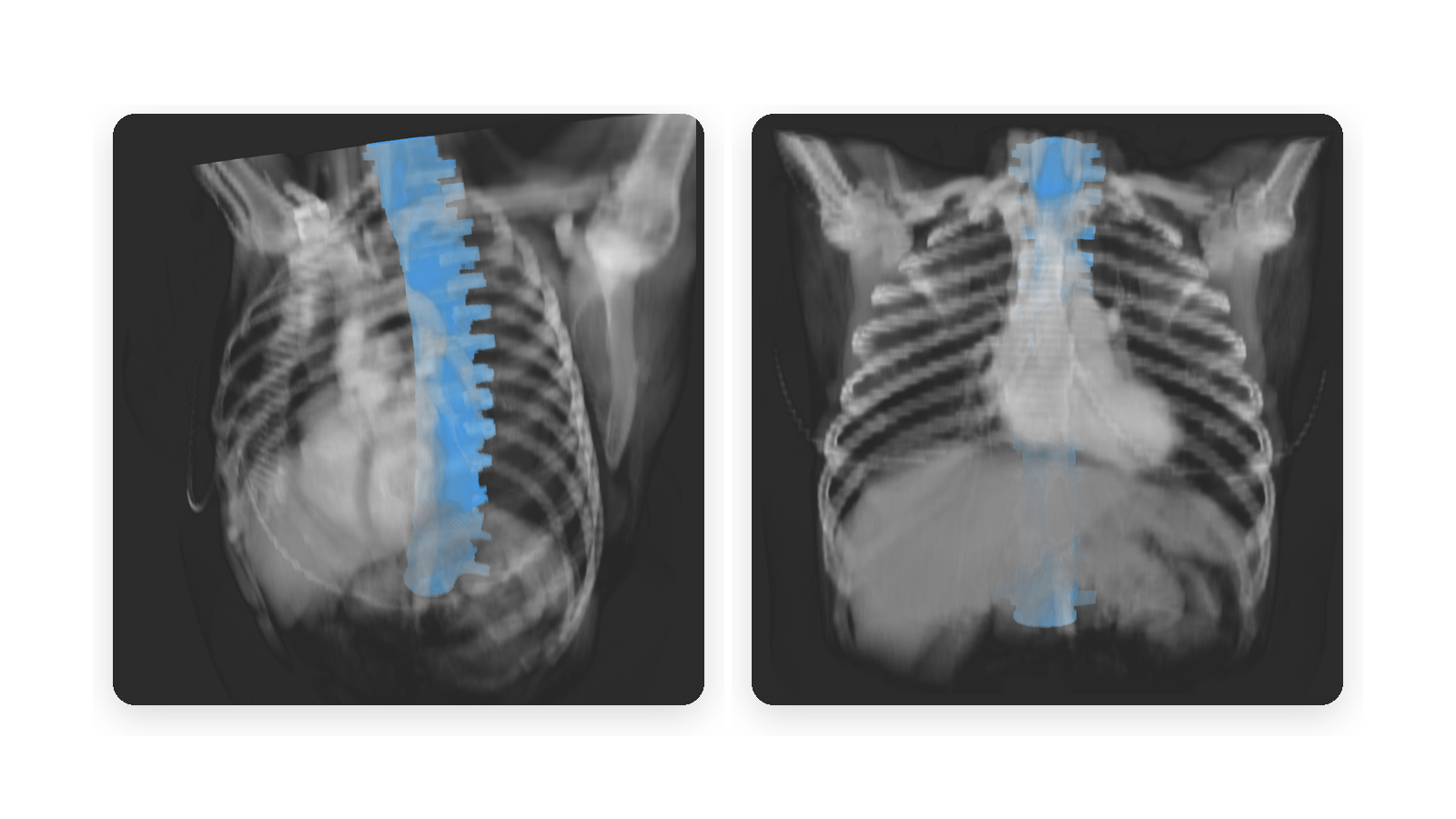
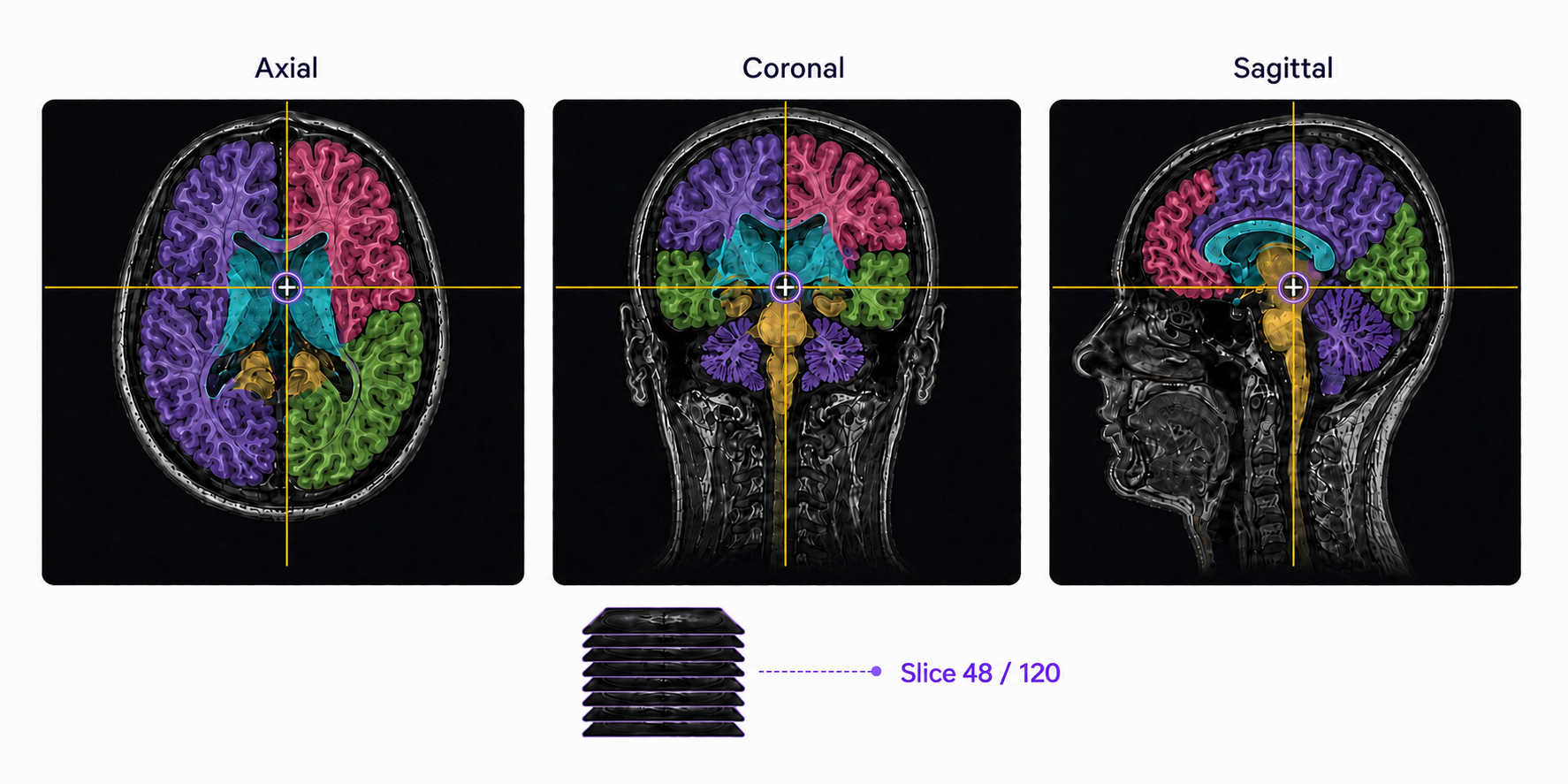
Synchronized axial, coronal, sagittal, and 3D DICOM views with a consistent lesion segmentation
02 · Synchronized views

Synchronized Multi-View

Work across axial, coronal, sagittal, and 3D views while positioning, windowing, and annotation context stay synchronized.

Multiplanar medical annotation with synchronized slice position and geometry
03 · Multiplanar editing

Multiplanar Editing

Edit annotations at exact slices and review the same structure across anatomical planes with synchronized crosshairs and geometry.

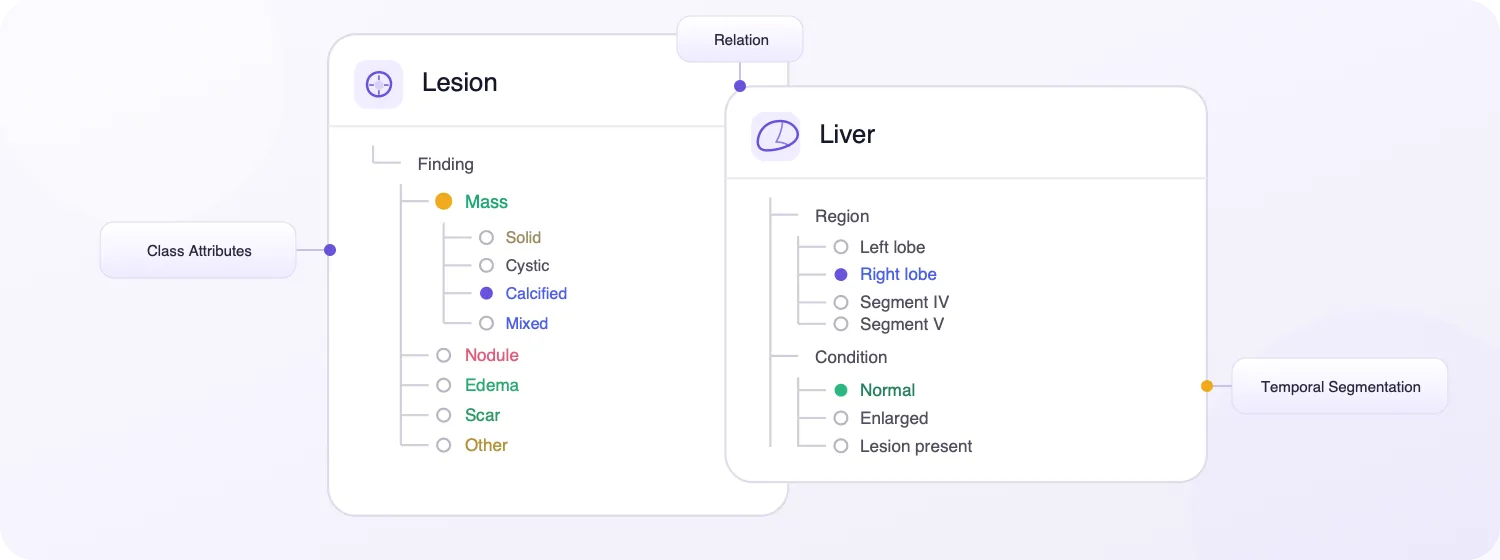
Vehicle and Road ontology hierarchy cards with selected attributes and callouts for class attributes, relations, and temporal segmentation
04 · Structure

Clinical Ontologies & Properties

Define classes, clinical findings, attributes, nested properties, relations, and study- or object-level context in one reusable medical schema.

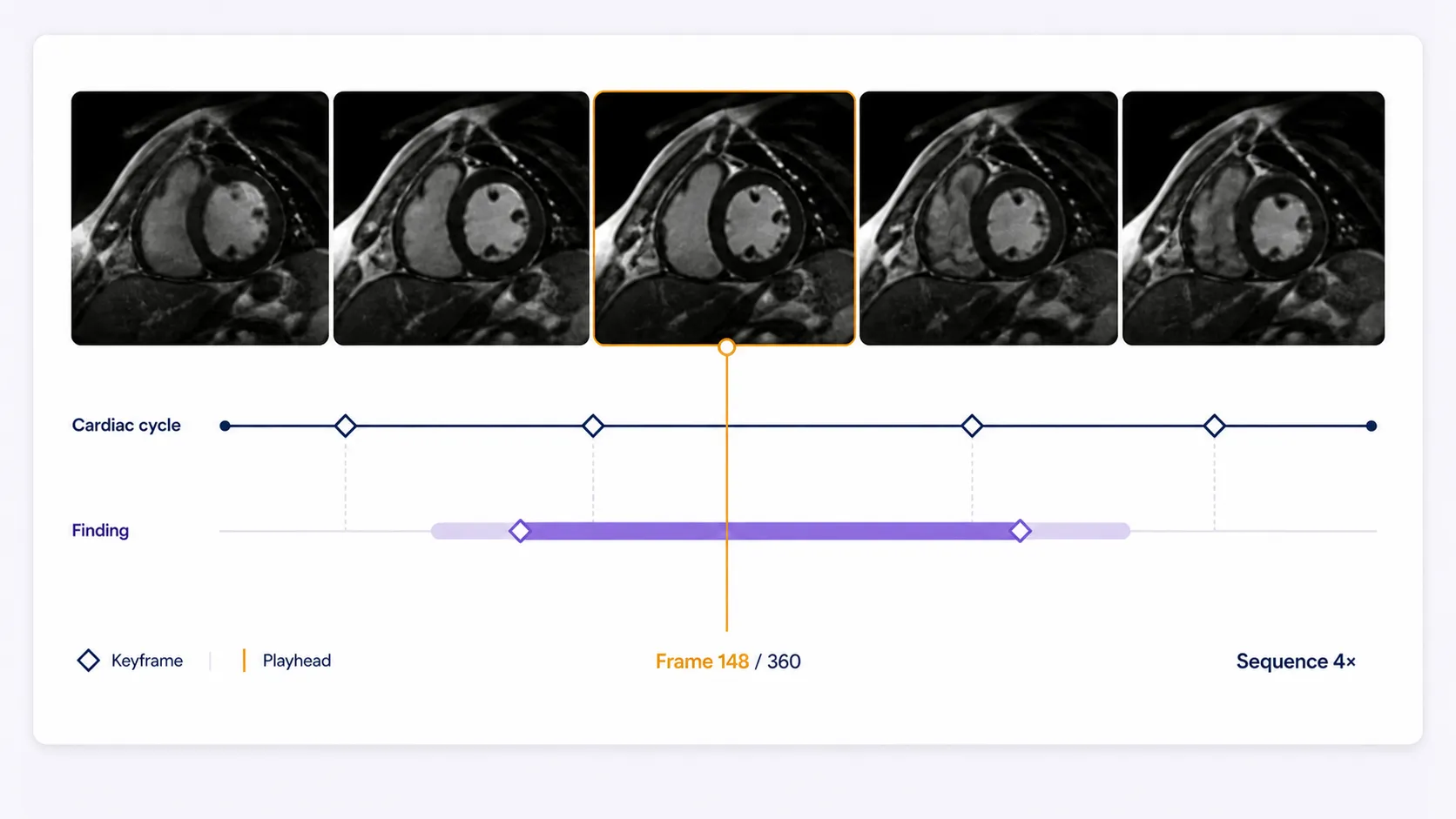
Four video moments connected to object tracks, states, keyframes, and a shared playhead
05 · Sequences

Medical Timelines & Sequences

Navigate frames and slices precisely while geometry, clinical states, and study-level context remain aligned.

A long highway video filmstrip with a magnified three-frame selection and precise overview timeline
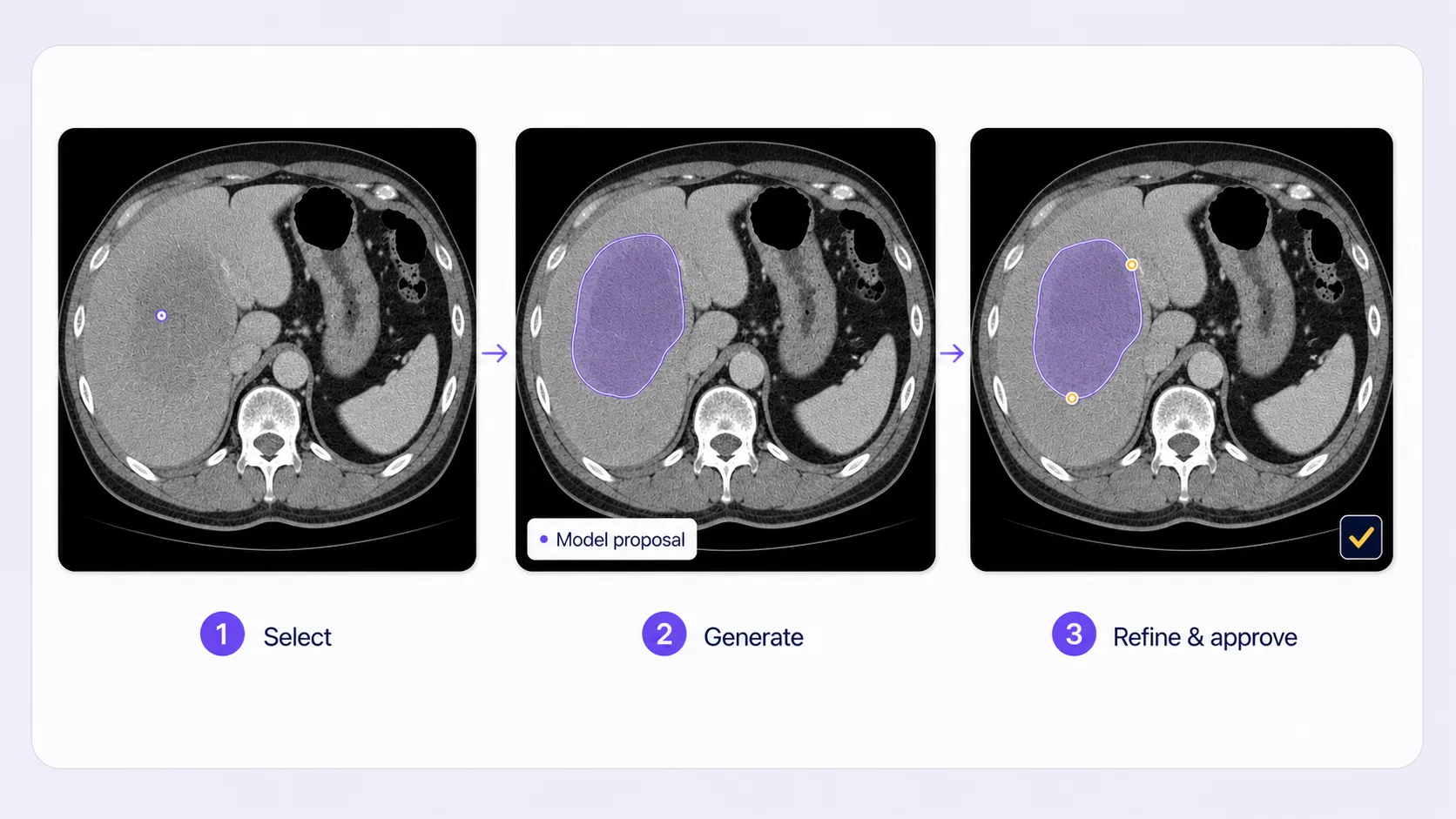
Expert-reviewedAI-assisted
06 · Segmentation

AI-Assisted Segmentation

Generate complex medical masks and regions faster, then refine boundaries and approve results under expert review.

Model proposalsHuman refinement

Why AI Teams Choose Unitlab for Medical Annotation

Accelerate expert labeling, automate repeatable work, and keep review and quality operations connected across medical datasets.

15X
Faster Medical Annotation
90%
Automated Annotation Work
10X
Lower Annotation Costs
Supported medical annotation types

All medical annotation types in one platform.

Create masks, regions, boxes, landmarks, classifications, measurements, properties, and relations across medical studies.

01
Pixel-level structures

Segmentation / Masks

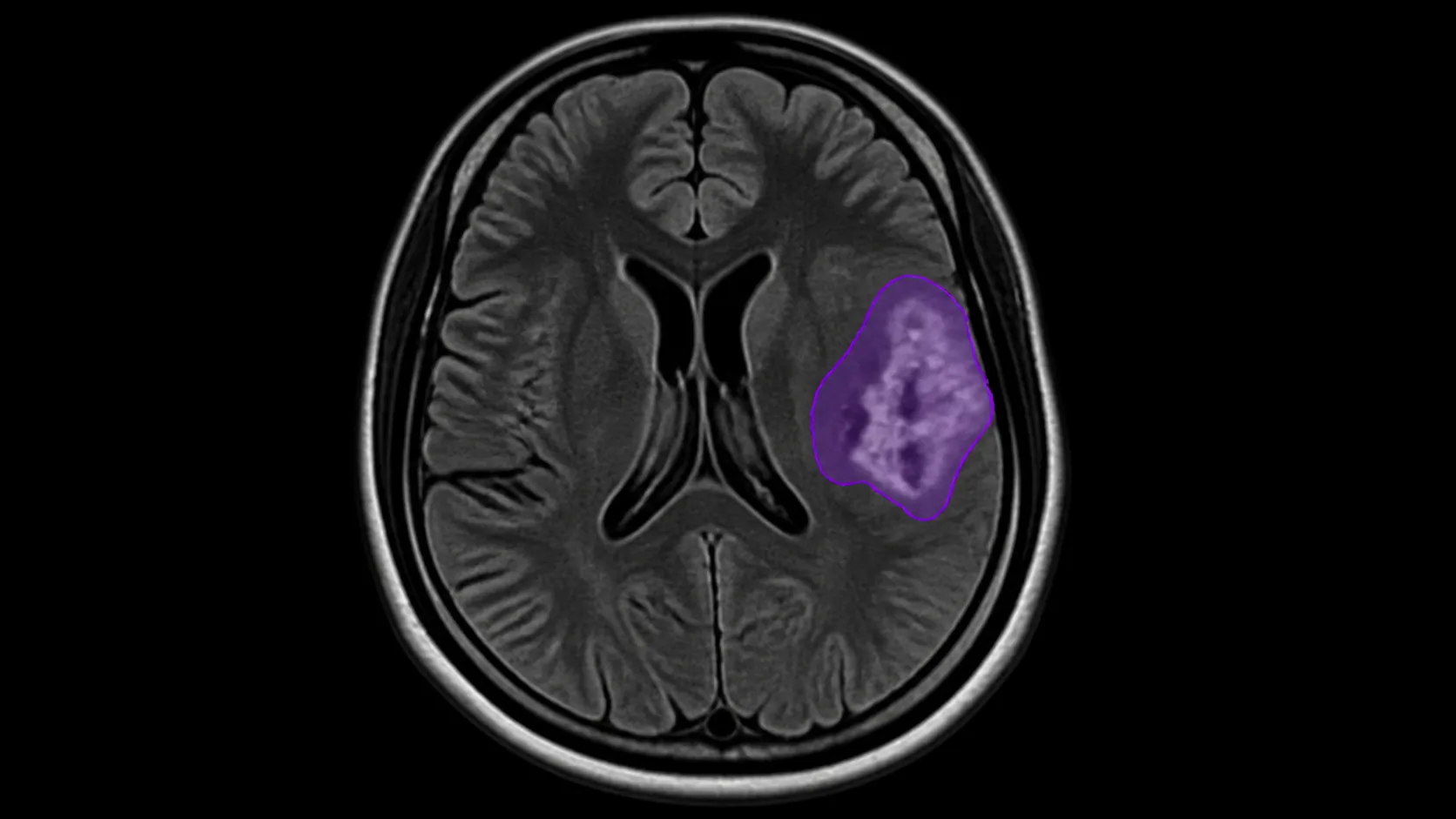
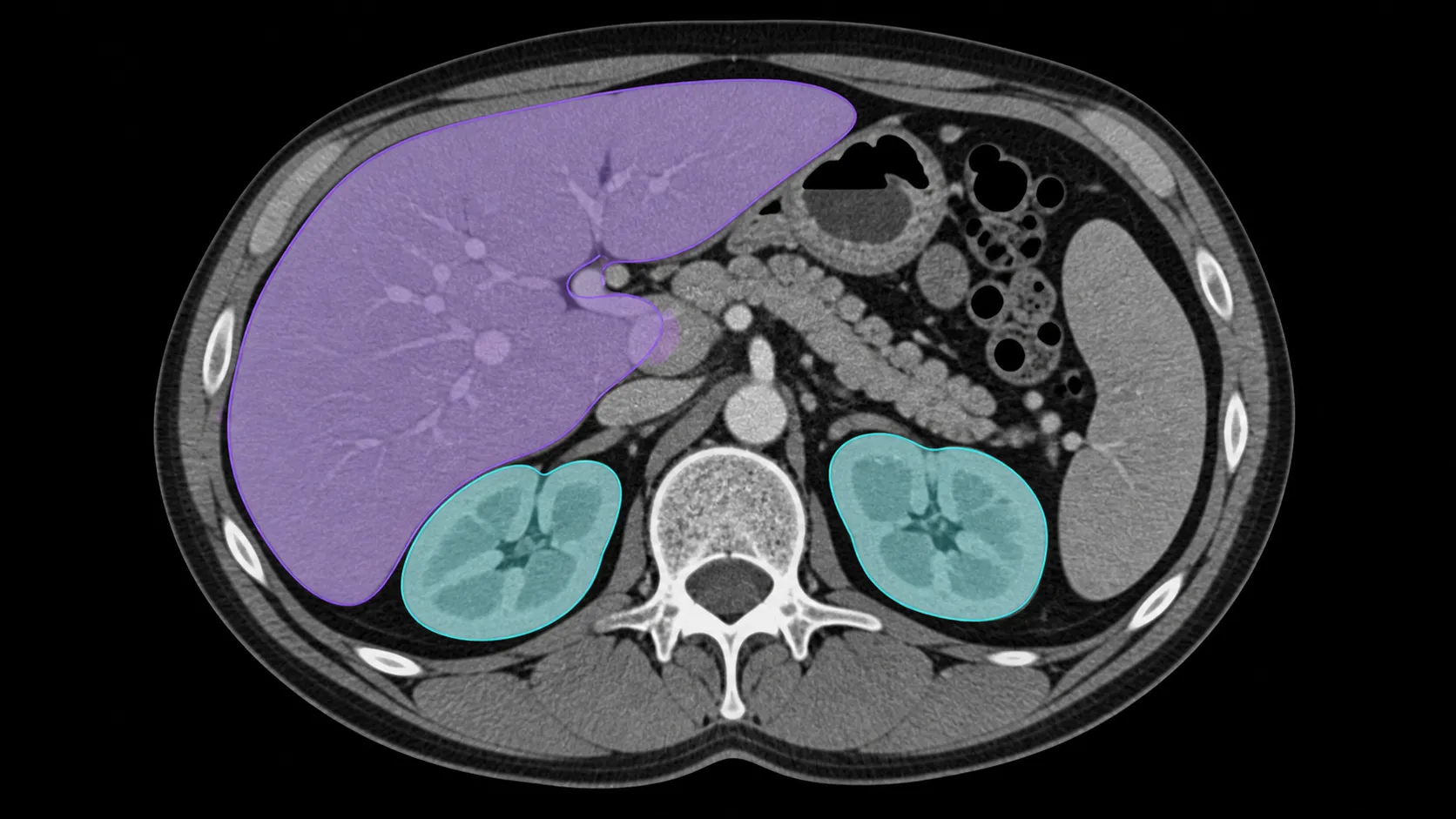
Create precise masks for anatomy, lesions, tissue, and other medical regions.

02
Precise boundaries

Polygon / Region

Outline irregular findings and regions of interest across slices or slides.

03
Detection regions

Bounding Box

Mark rectangular findings, cells, and regions for detection workflows.

04
Anatomical landmarks

Point / Landmark

Place exact landmarks for localization, alignment, and keypoint tasks.

05
Clinical categories

Classification

Assign study, series, image, or object-level classes with controlled values.

06
Quantitative review

Measurements

Record distances, diameters, and other annotation measurements with visual context.

07
Structured findings

Clinical Properties

Capture findings, severity, uncertainty, and nested clinical attributes.

08
Contextual connections

Relations

Connect anatomy, findings, observations, and related objects explicitly.

09
Study-level context

Study / Item Properties

Describe modality, quality, cohort, procedure, and other whole-study attributes.

Medical dataset curation & annotation workflows& annotation workflows

Curate medical data and automate annotation workflows.

Search, version, and inspect studies and slides, connect medical AI models, and route annotations through expert review and approval.

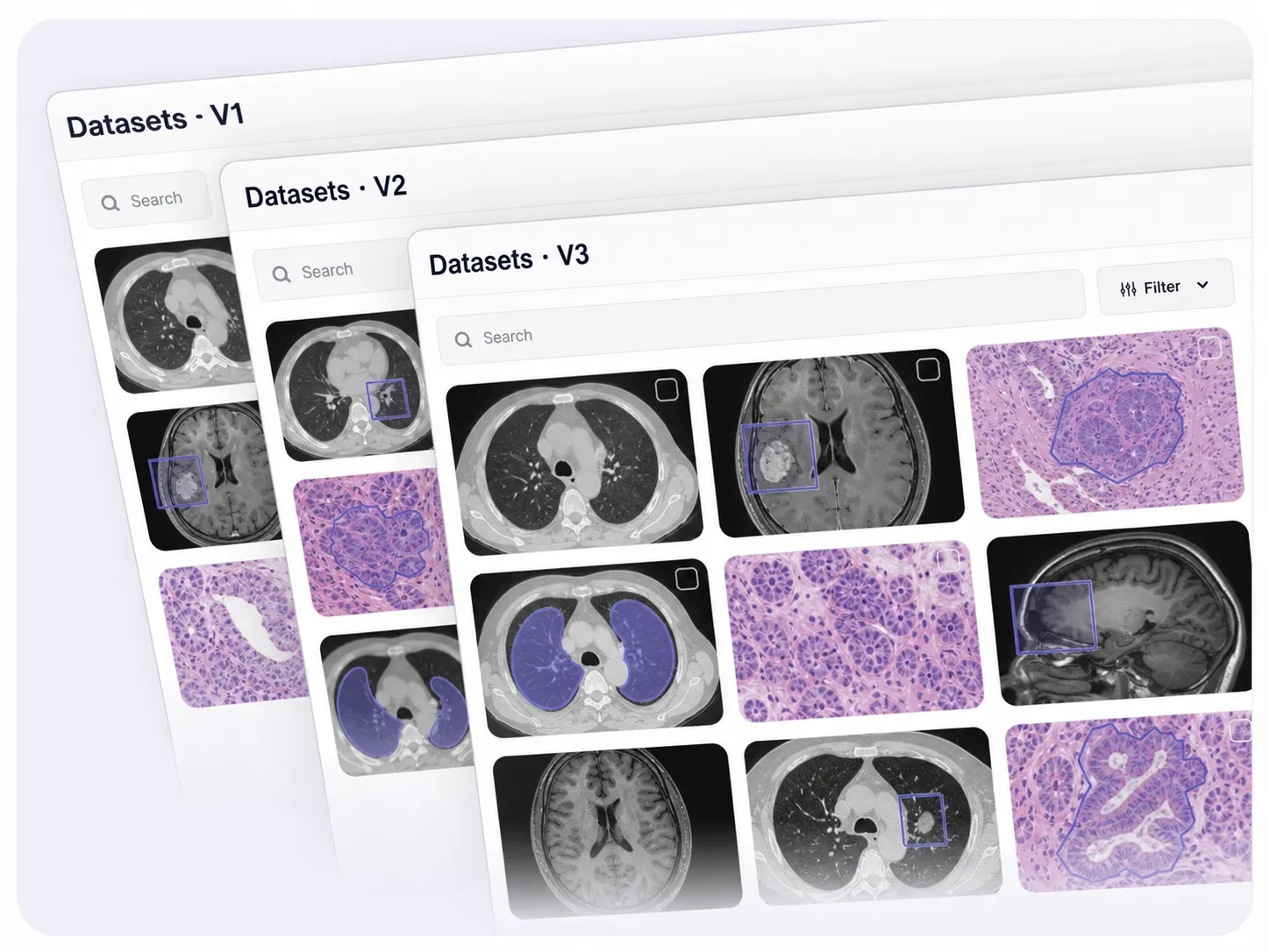
Dataset version control in Unitlab AI
Version

Dataset Versions

Version medical datasets, annotations, curated cohorts, and dataset changes while preserving traceability from source to release.

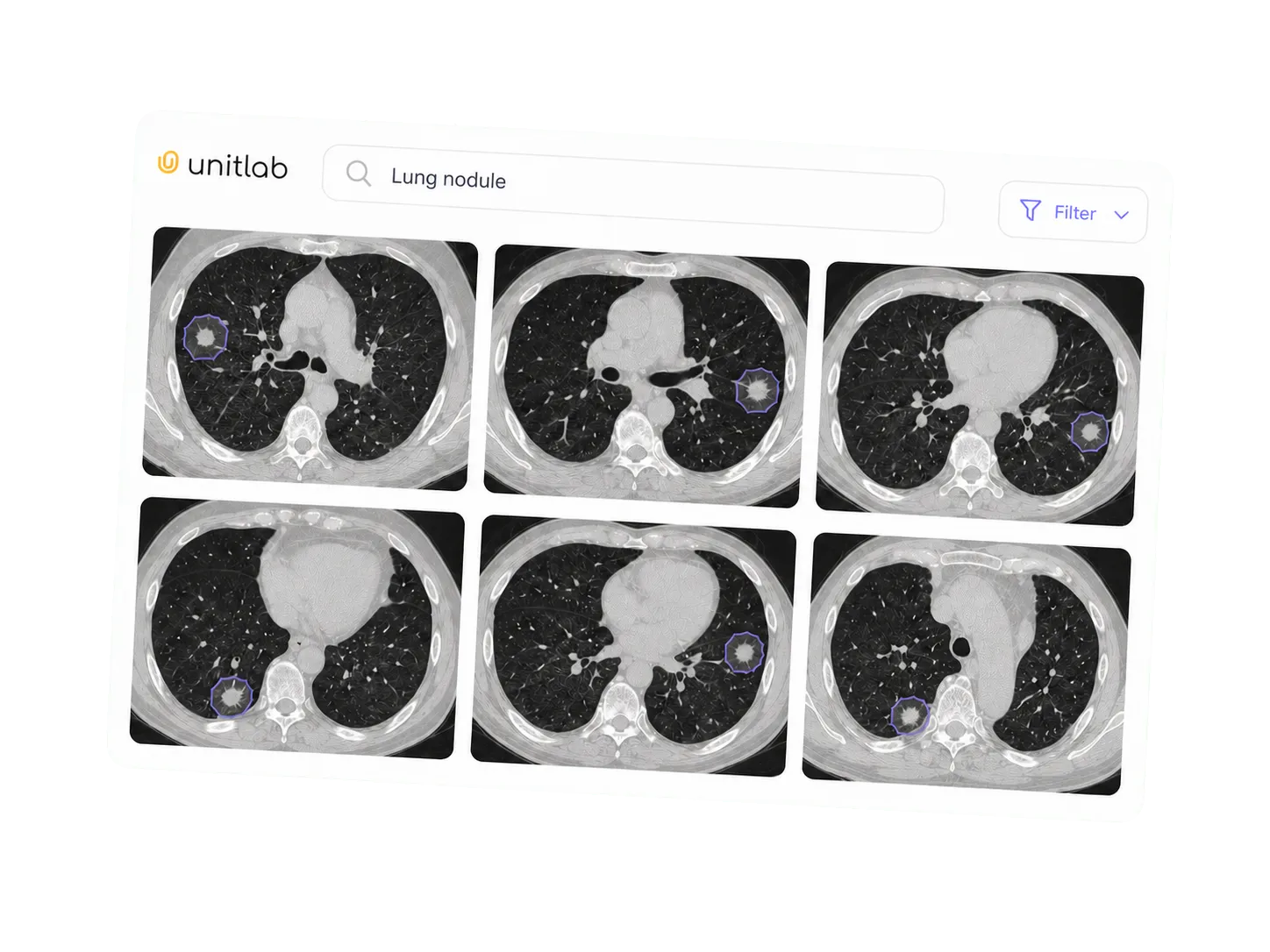
Semantic search across datasets in Unitlab AI
Discover

Semantic Search

Find relevant studies, scans, pathology slides, and similar cases across large medical datasets without relying on manual folders.

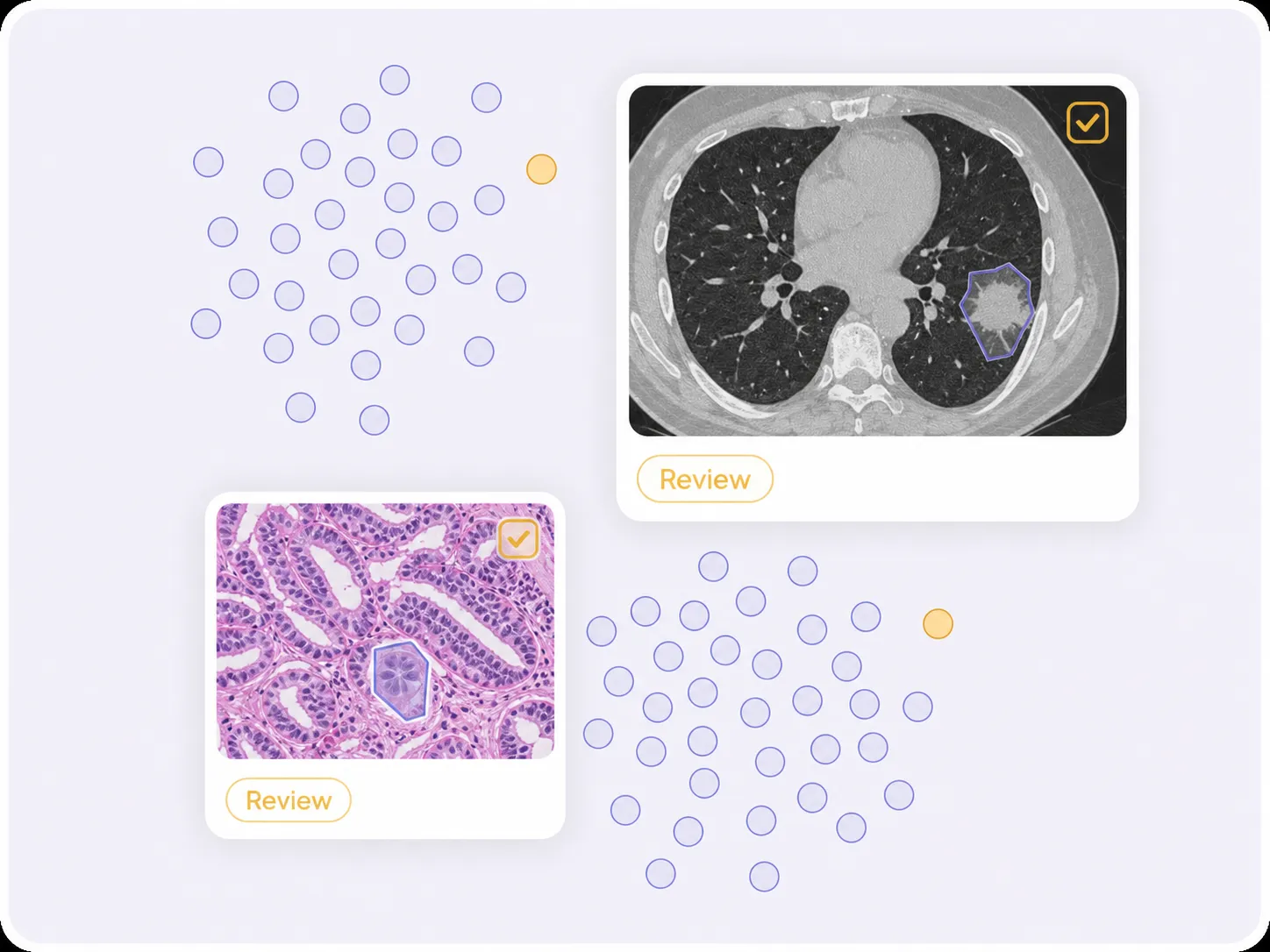
Dataset embedding visualization in Unitlab AI
Inspect

Embedding View

Explore dataset distributions, similar cases, outliers, clusters, and potential data-quality problems before training.

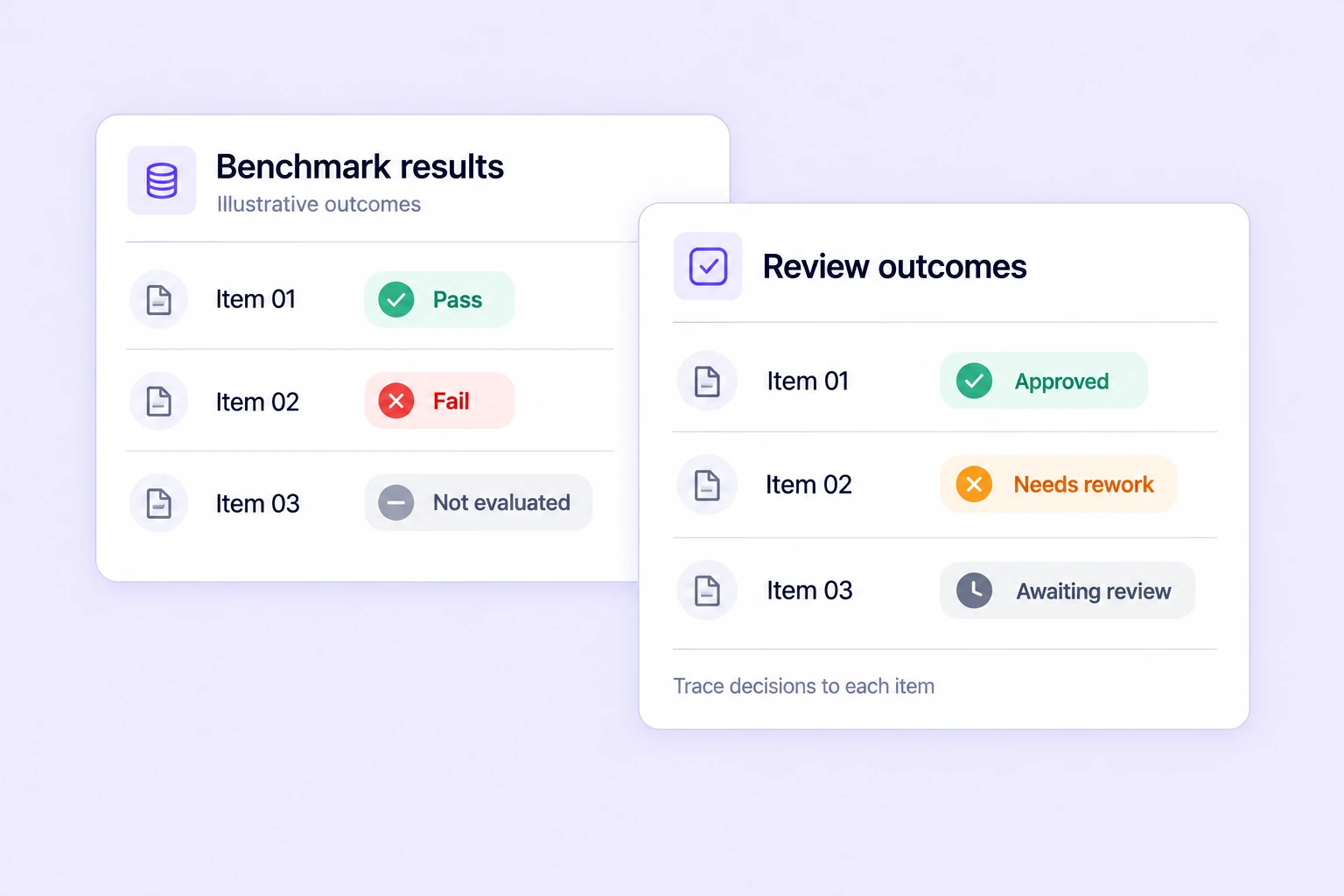
Integrated Unitlab workflow connecting models, annotation, review, and quality assurance
Orchestrate

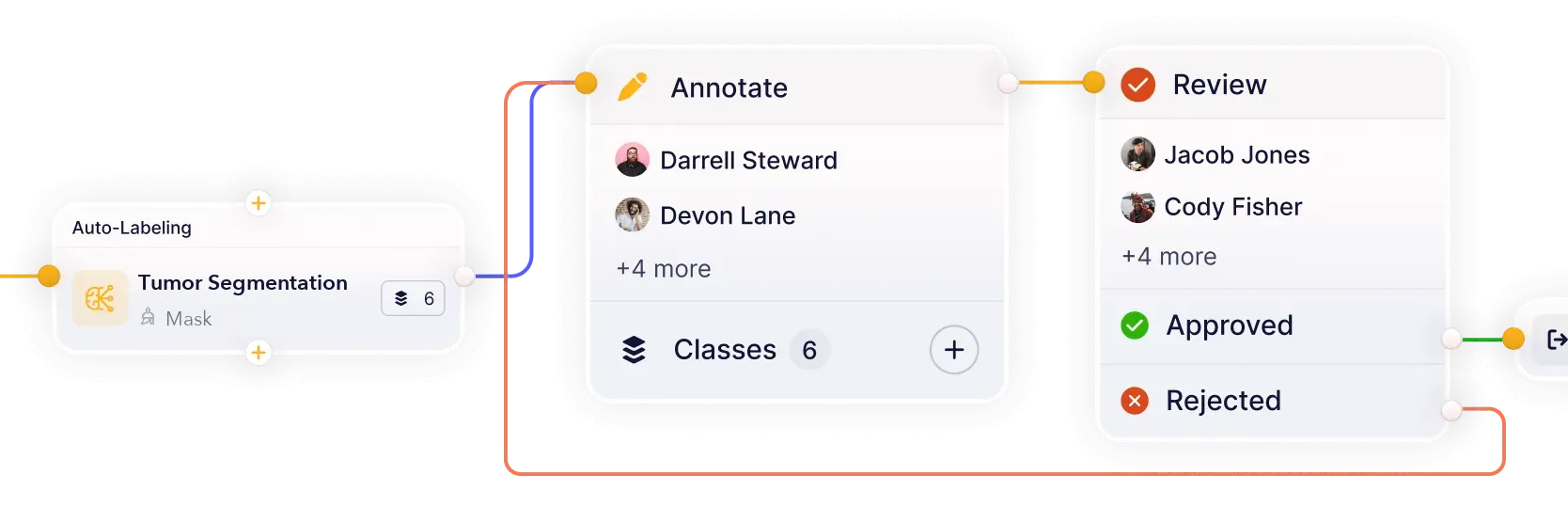
Integrated Workflows

Connect annotation, expert review, QA, rework, and approval in structured medical workflows with clear ownership and traceable outcomes.

Bring your own AI model into the Unitlab annotation workflow
Integrate

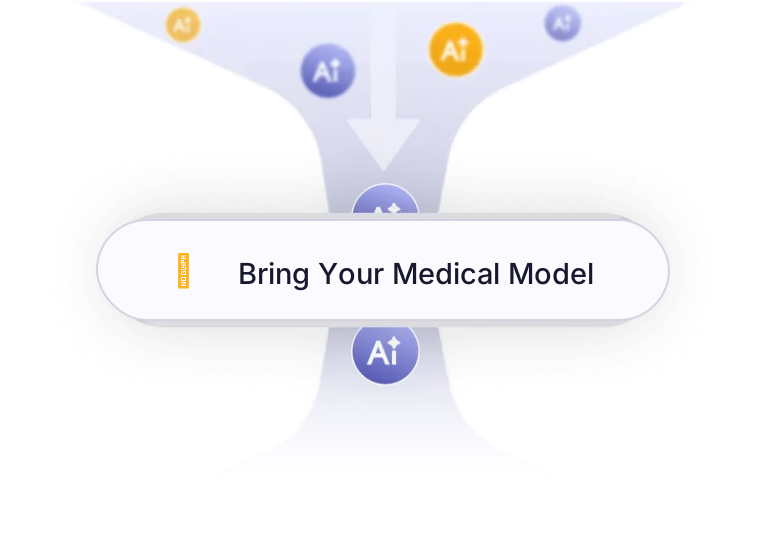
Bring Your Model

Connect medical AI models for pre-labeling, segmentation, automation, and model-assisted annotation while keeping reviewers in control.

Questions, answered

Medical Annotation Platform FAQs

Answers about DICOM annotation, pathology slides, medical formats, synchronized views, AI-assisted segmentation, clinical ontologies, expert review, and dataset operations in Unitlab.

Talk with the Unitlab team
What medical data and formats can Unitlab annotate?+

Unitlab supports medical imaging workflows for DICOM studies, NIfTI and NRRD volumes, pathology slides, and common image formats. Teams can annotate masks, regions, boxes, landmarks, measurements, classifications, properties, and relations in reusable medical ontologies.

How does DICOM annotation work across axial, coronal, sagittal, and 3D views?+

DICOM studies open in synchronized axial, coronal, sagittal, and 3D views. Position, window and level, crosshairs, and annotation context stay aligned so experts can inspect and edit findings across planes.

Can Unitlab annotate pathology slides, medical sequences, and multiplanar studies?+

Yes. Unitlab supports deep-zoom pathology review, slice-level multiplanar editing, and frame- or slice-aware navigation for dynamic medical sequences while preserving annotation context.

How do clinical ontologies, properties, and relations work in medical annotation?

Medical ontologies define anatomy, findings, classifications, nested properties, measurements, and relations. Static and dynamic properties capture clinical context at object, image, series, or study level.

Properties and relations documentation
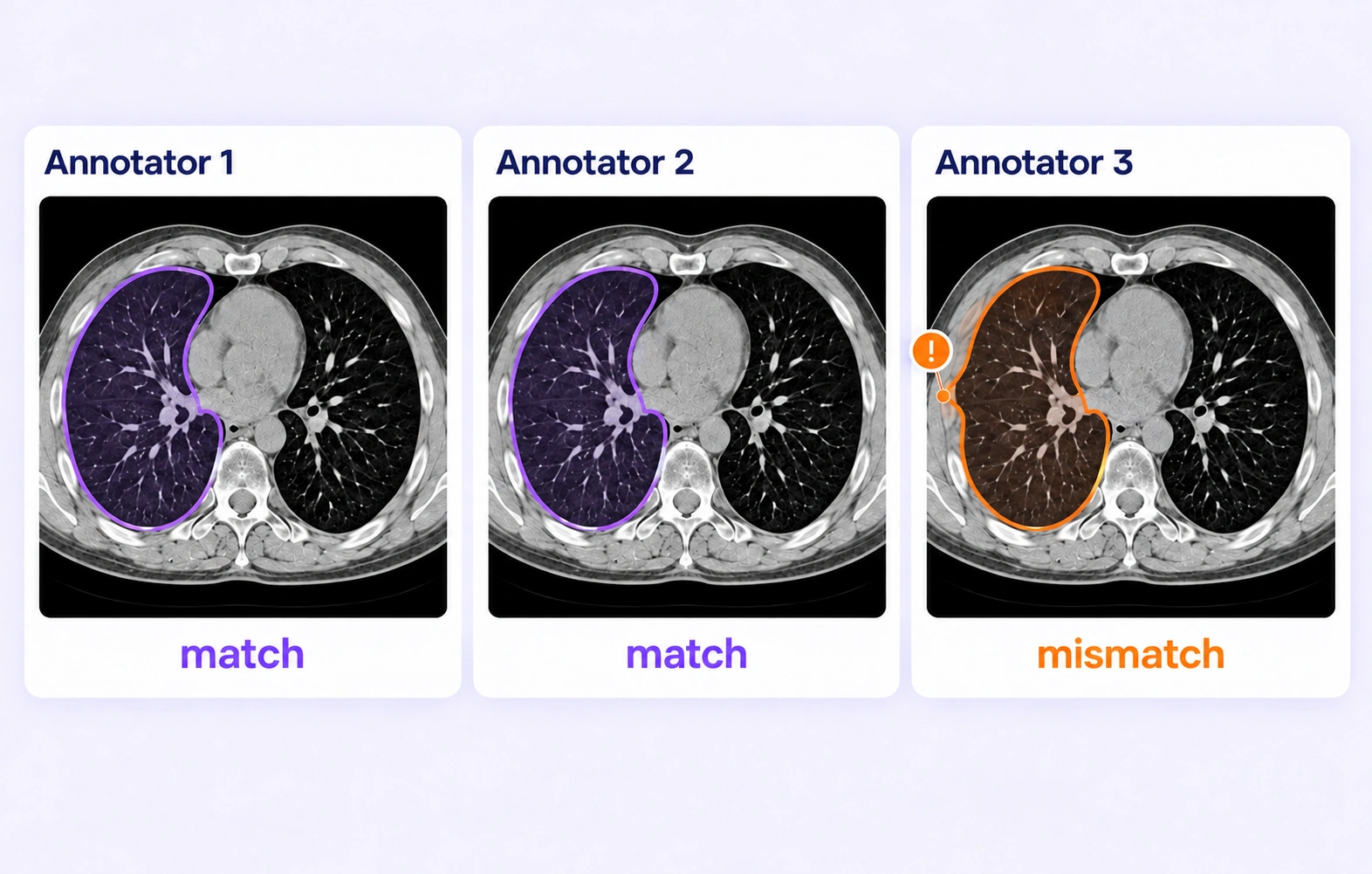
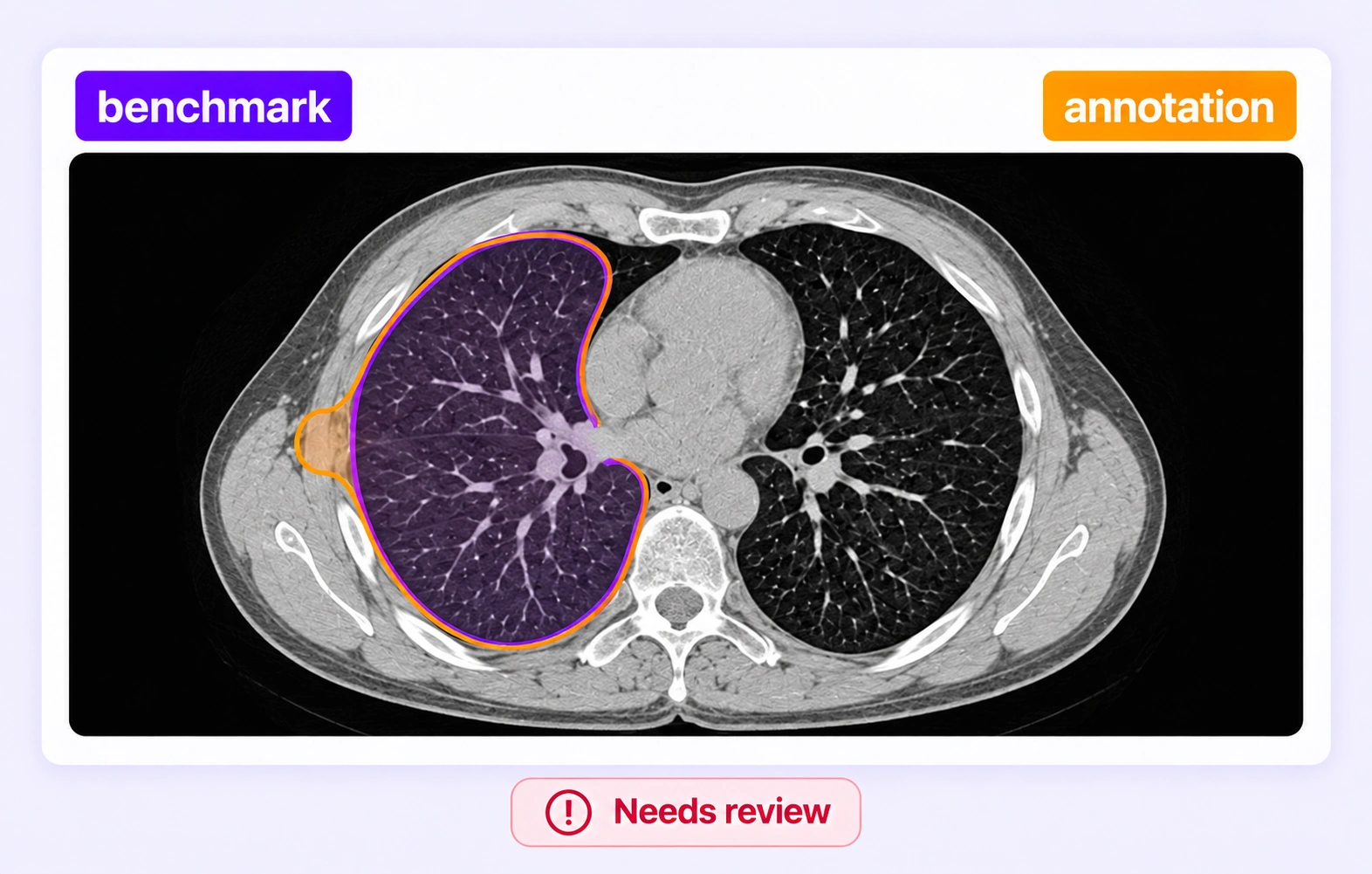
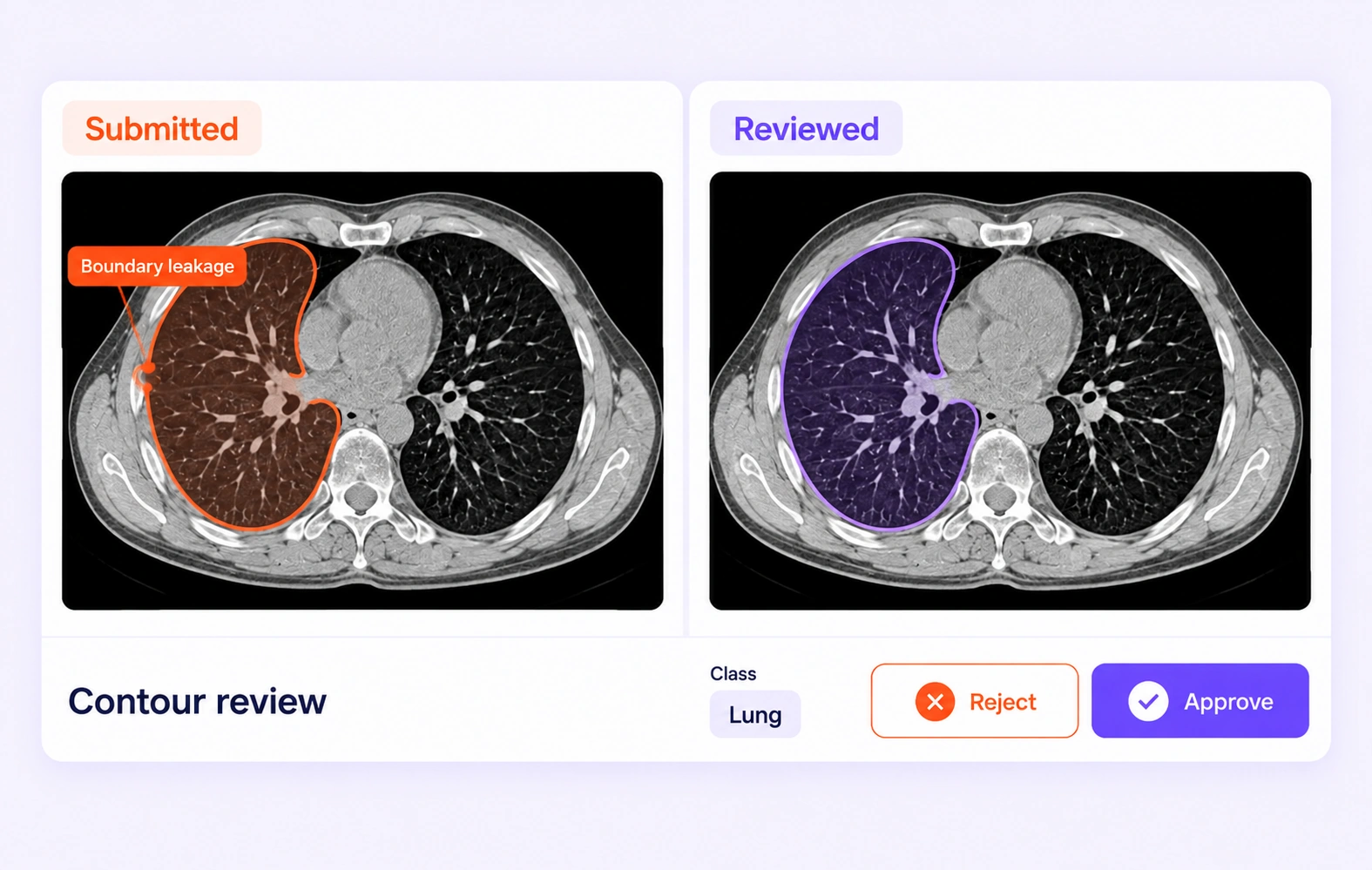
How does Unitlab manage medical annotation review and quality assurance?+

Configurable workflows route tasks through expert annotation, review, rework, QA, and approval. Assignments, comments, issue tracking, history, dataset versions, and releases keep decisions traceable.

Annotation and review documentation
Can teams use medical AI models for pre-labeling and segmentation?

Yes. Connect medical AI models for pre-labeling, segmentation, and model-assisted annotation. Experts review and refine predictions before approval, preserving human control.

Model integration documentation
Can Unitlab curate and version medical datasets in one platform?

Yes. Teams can search, curate, annotate, review, and publish controlled versions of medical datasets, including studies, scans, pathology slides, cohorts, annotations, and release changes.

Dataset management documentation
MEDICAL ANNOTATION PLATFORM

Build Production-Ready Medical AI Datasets with Unitlab

Annotate, review, curate, and manage complex medical data in one collaborative AI-assisted platform.